See the monuments around you in AROpen chests in the app
Around Us is built for your phone — point your camera at the streets and discover the monuments and places around you in augmented reality.Around Us is built for your phone — chests unlock when you walk, explore and capture nearby places.
Visit Armenia: medieval monasteries, archaeological sites, and mountain scenery
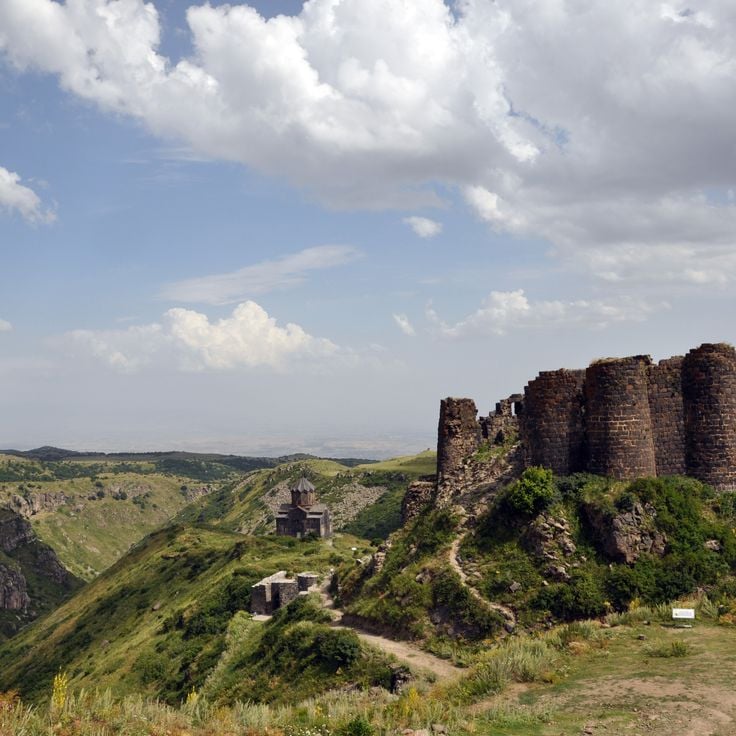
Armenia hosts a collection of archaeological, religious, and natural sites that testify to several millennia of rich human occupation. The country's mountainous territory features medieval monasteries perched on rocky plateaus, such as Tatev which overlooks gorges from 5,250 feet (1600 meters), or Khor Virap offering a direct view of Mount Ararat. Religious buildings are complemented by ancient remains like the Greco-Hellenistic temple at Garni, built in the first century, and the circular ruins of Zvartnots Cathedral. Military fortresses such as Amberd, situated at 7,550 feet (2300 meters), demonstrate defensive architecture developed as early as the seventh century.
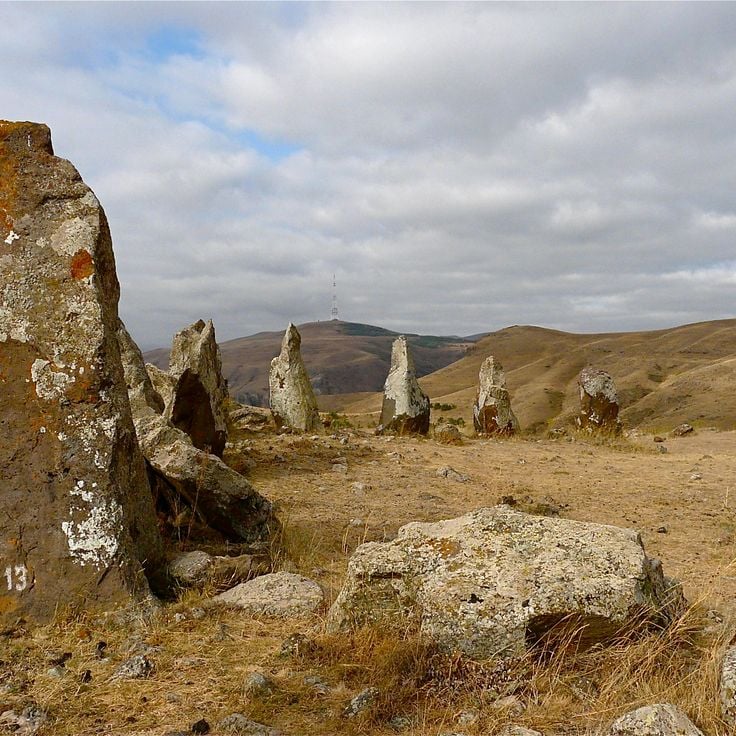
The Armenian landscape also shapes notable geological formations, including the Noravank gorges with their red sandstone walls rising up to 650 feet (200 meters), and the Debed canyon, which houses the listed monasteries of Haghpat and Sanahin. Lake Sevan, a freshwater body situated at nearly 6,200 feet (1900 meters), extends over more than 470 square miles (1200 square kilometers) and features monasteries and beaches along its shores. Significant archaeological discoveries have been made at sites like the Areni-1 cave, where artifacts over 6000 years old have been uncovered, while the Megalithic site of Zorats Karer contains more than 200 standing stones dating back several millennia B.C.
Visit Armenia: medieval monasteries, archaeological sites, and mountain scenery
Armenia hosts a collection of archaeological, religious, and natural sites that testify to several millennia of rich human occupation. The country's mountainous territory features medieval monasteries perched on rocky plateaus, such as Tatev which overlooks gorges from 5,250 feet (1600 meters), or Khor Virap offering a direct view of Mount Ararat. Religious buildings are complemented by ancient remains like the Greco-Hellenistic temple at Garni, built in the first century, and the circular ruins of Zvartnots Cathedral. Military fortresses such as Amberd, situated at 7,550 feet (2300 meters), demonstrate defensive architecture developed as early as the seventh century.
The Armenian landscape also shapes notable geological formations, including the Noravank gorges with their red sandstone walls rising up to 650 feet (200 meters), and the Debed canyon, which houses the listed monasteries of Haghpat and Sanahin. Lake Sevan, a freshwater body situated at nearly 6,200 feet (1900 meters), extends over more than 470 square miles (1200 square kilometers) and features monasteries and beaches along its shores. Significant archaeological discoveries have been made at sites like the Areni-1 cave, where artifacts over 6000 years old have been uncovered, while the Megalithic site of Zorats Karer contains more than 200 standing stones dating back several millennia B.C.
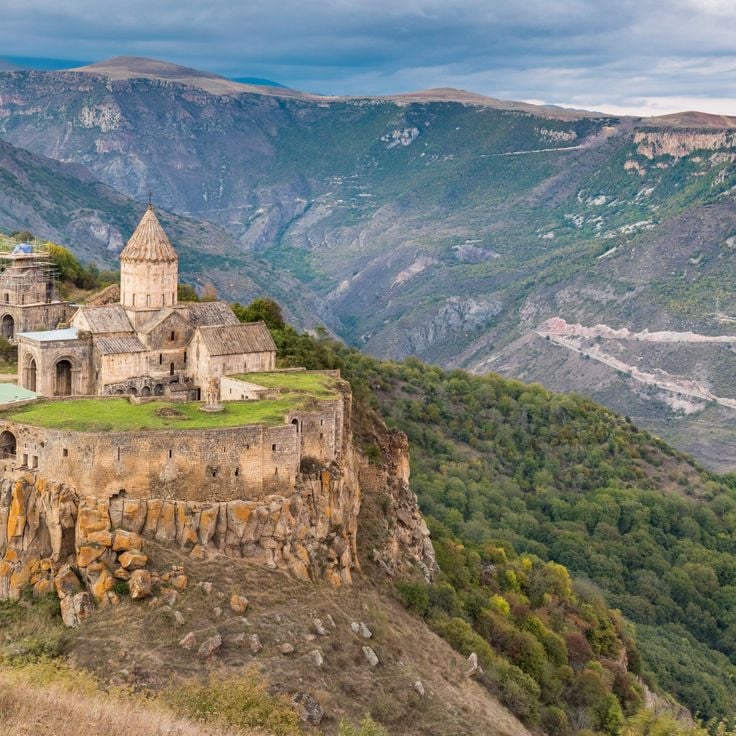
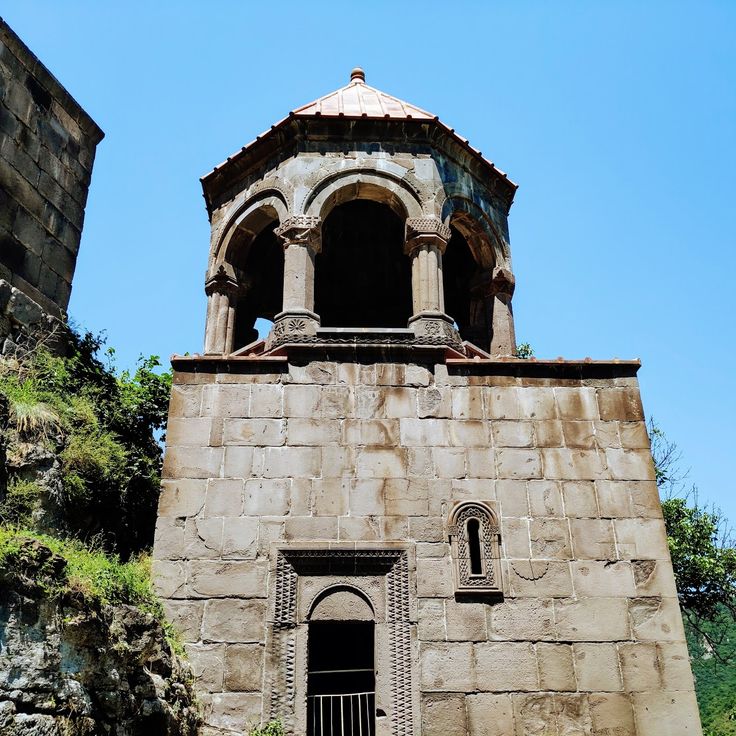
Tatev Monastery stands as a major religious and intellectual center from the ninth century on a rocky plateau 5,250 feet (1,600 m) above the deep gorges of southern Armenia, housing three preserved churches, a medieval oil mill and a historic bell tower that has served as a seismic indicator for nearly a millennium.
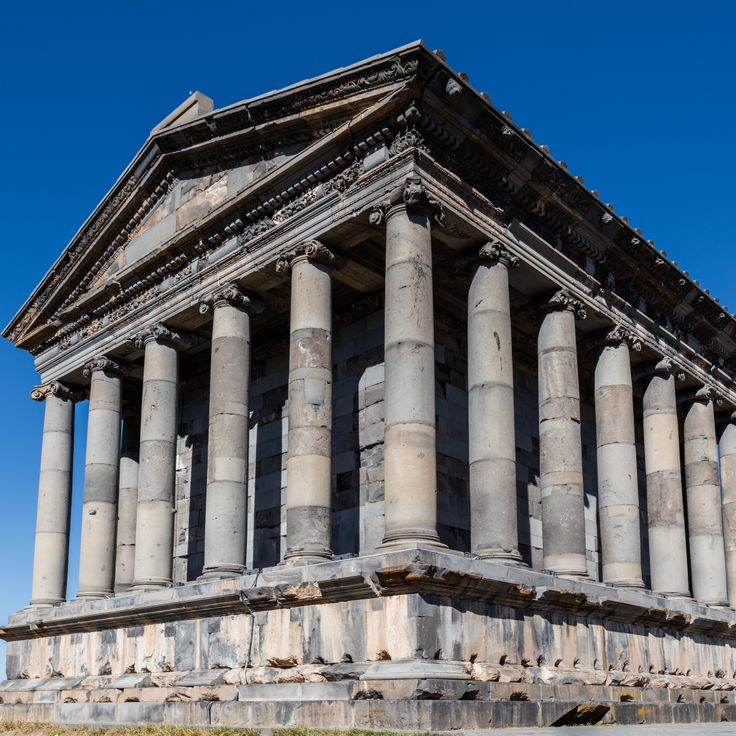
This first-century Hellenistic temple stands on a rocky promontory above the Azat Gorge and remains one of Armenia's rare pre-Christian structures. The complex features a rectangular plan with 24 Ionic columns surrounding a platform measuring roughly 38 by 26 feet (11.5 by 7.98 meters). Damaged during the 1679 earthquake and reconstructed between 1969 and 1975, the structure most likely served the sun god Mithra. The site commands direct views over the valley and sits near third-century Roman baths.
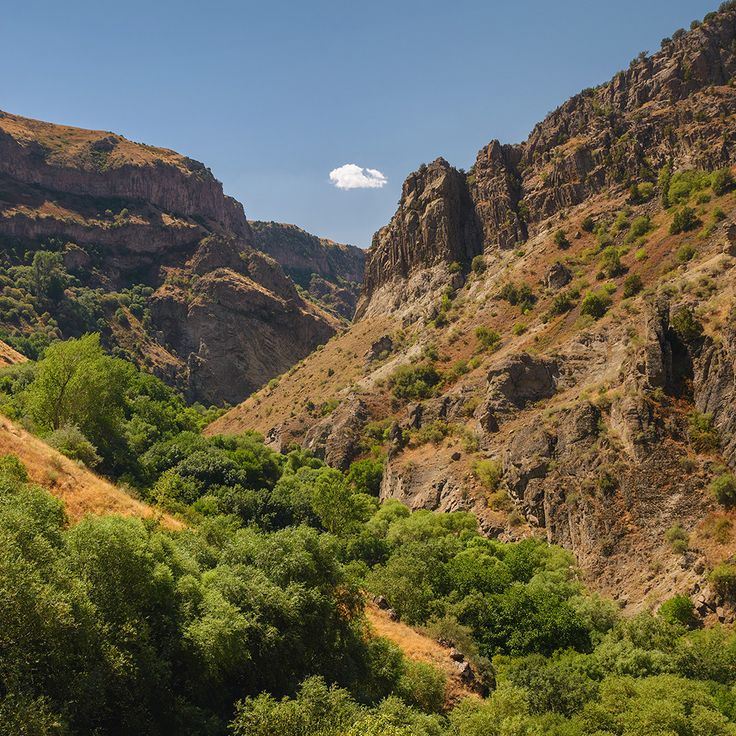
The gorge of Noravank extends through a canyon with sandstone walls rising 650 feet (200 meters). A monastery from the 13th century stands on a rocky outcrop, forming with the red rock formations a cohesive ensemble of religious architecture and geological features that ranks among Armenia's historical and natural sites.
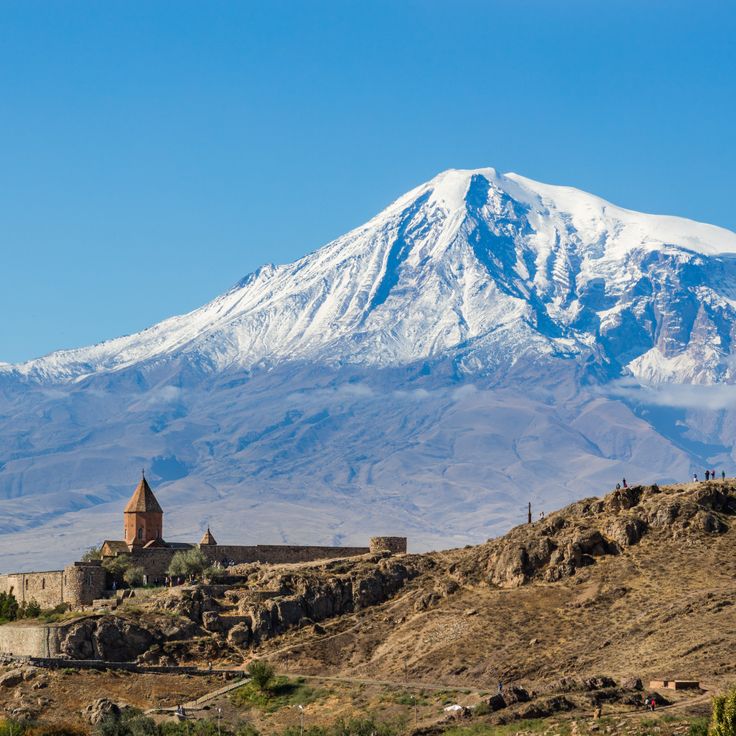
Khor Virap monastery stands in the Ararat plain and traces back to a fifth-century underground chapel where Gregory the Illuminator was imprisoned for thirteen years before introducing Christianity to Armenia. The current seventeenth-century compound includes a church and the restored dungeon chapel, which remains accessible through a narrow shaft. From the walls, a direct view opens toward Mount Ararat, rising 16,854 feet (5,137 meters) just 22 miles (35 kilometers) away on Turkish territory.
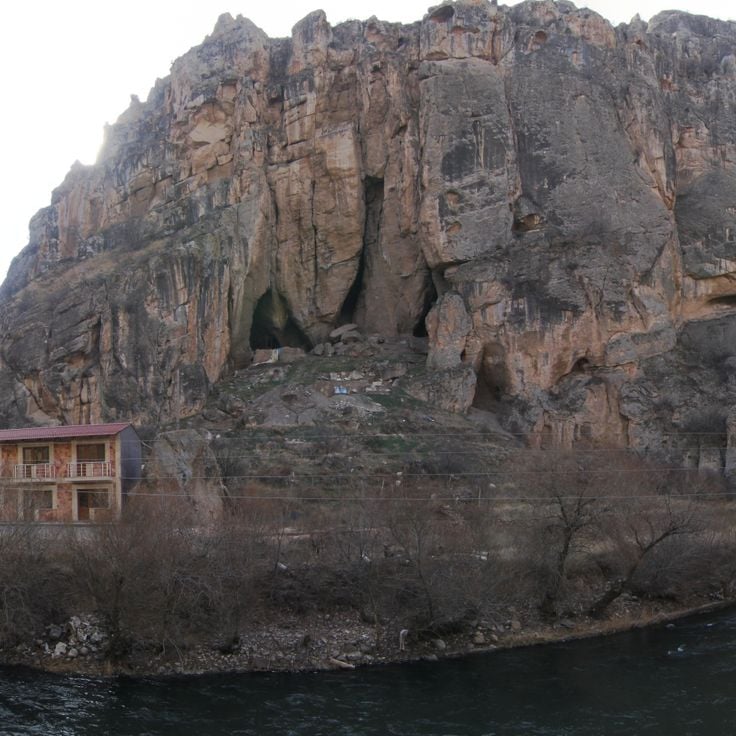
This archaeological site has yielded objects from the fifth millennium BC since 2007, including a leather shoe and traces of a wine production facility that rank among the earliest known evidence of these techniques and trace human occupation of the Armenian highlands back over six millennia.
This lake sits at 6,230 feet (1,900 meters) above sea level and spreads across some 470 square miles (1,200 square kilometers) in the eastern highlands of Armenia. The water body forms one of the largest inland basins in the region and provides access to medieval monasteries on its peninsula as well as public bathing beaches along its shores. The plateau surrounding the lake reaches average elevations between 5,900 and 6,560 feet (1,800 to 2,000 meters) and shapes the climatic conditions of the entire province. The shoreline extends for more than 125 miles (200 kilometers) and links historic sites with natural waterfront zones used for hiking and observing local wildlife.
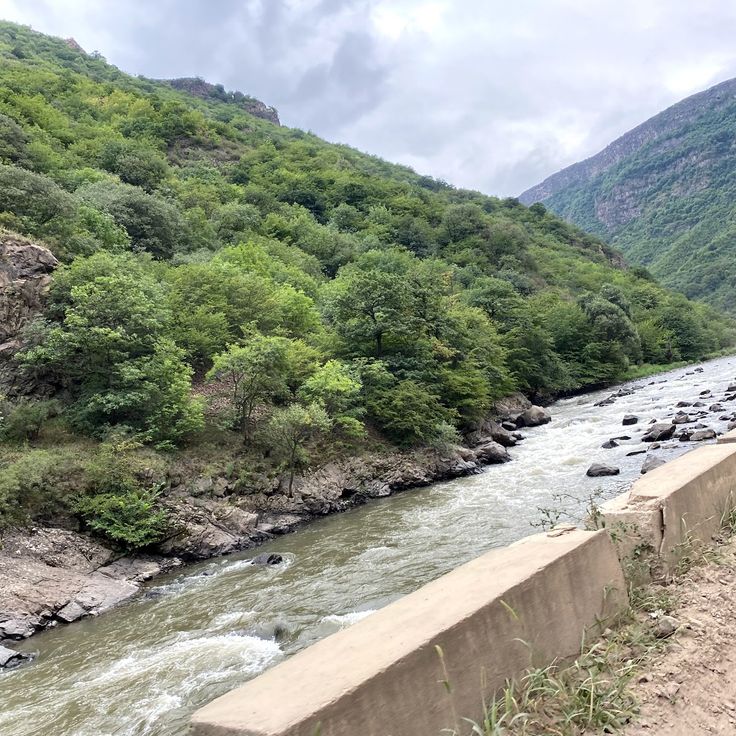
This rocky canyon in Armenia reaches depths of 1,000 feet (300 meters) and shelters the medieval monasteries of Haghpat and Sanahin, both recognized as UNESCO World Heritage sites. The monastic complexes were built between the tenth and thirteenth centuries and represent the flourishing period of Armenian monastic architecture. The steep slopes of the Debed gorge frame the historic structures and provide access to additional religious sites along the river course.
This fortress spans a lava outcrop on the southern slope of Mount Aragats, combining military construction with religious architecture. The seventh-century fortification includes defensive walls, a residential tower and a bathhouse, while an eleventh-century church forms the spiritual center. At 7500 feet (2300 meters) above sea level, Amberd illustrates the defensive engineering of medieval Armenian rulers, merging functional military design with liturgical structures in an exposed mountain setting.
This megalithic complex on the edge of the Armenian highlands brings together 223 upright basalt stones arranged in circular patterns and believed to have been erected several millennia before the common era. Many stones display precisely drilled openings whose function remains debated. The ensemble spans a broad plateau and ranks among the significant archaeological sites in Syunik Province, documenting the legacy of human settlement since prehistoric times.
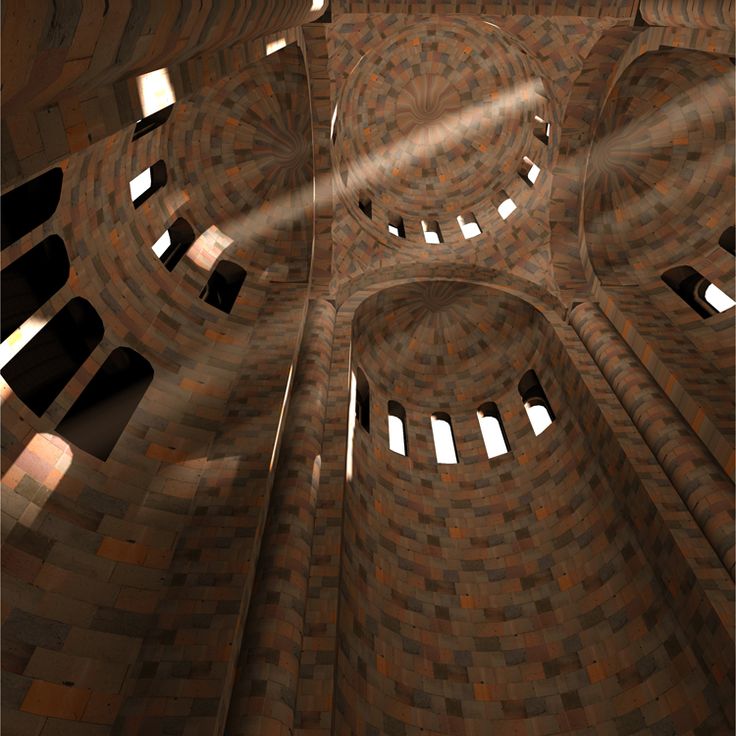
This cathedral ranks among Armenia's most important early Christian structures and was built between 643 and 652 under Catholicos Nerses III. The circular design with its three-story elevation collapsed in the tenth century following an earthquake and now exists as ruins. Archaeologists began uncovering numerous columns, richly carved capitals and wall fragments in the twentieth century, offering insight into the advanced construction techniques of the period. The floor plan reveals a central domed structure surrounded by arcades, clearly distinct from the rectangular church forms common to the era.
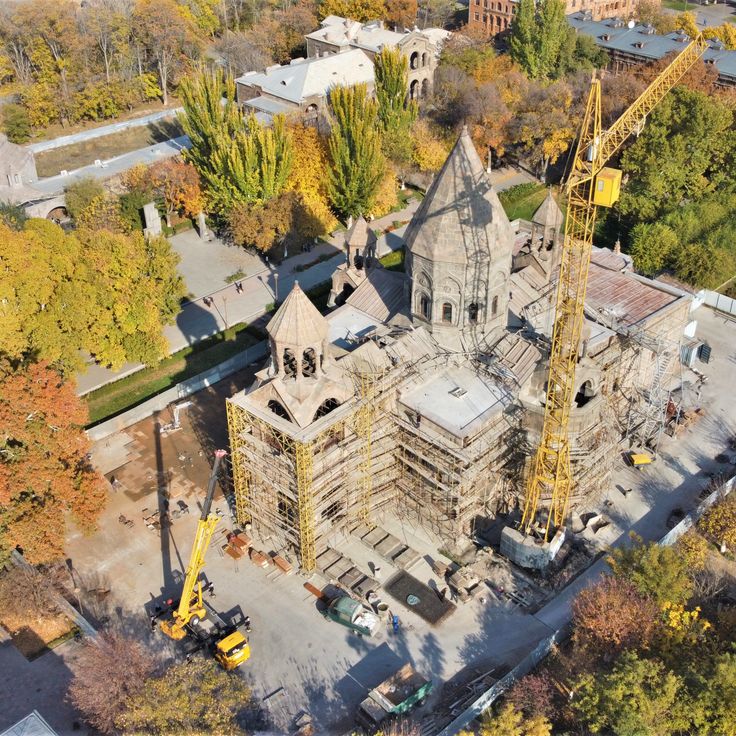
This cathedral was founded in 303 and serves as the spiritual center of the Armenian Apostolic Church. Recognized as the world's oldest state-sponsored Christian place of worship, the structure acquired its current form largely during the fifth century. The complex includes several chapels, a museum of ecclesiastical treasures, and a walled courtyard. The central dome rests on four massive pillars, while reliefs and frescoes adorn the interior spaces.
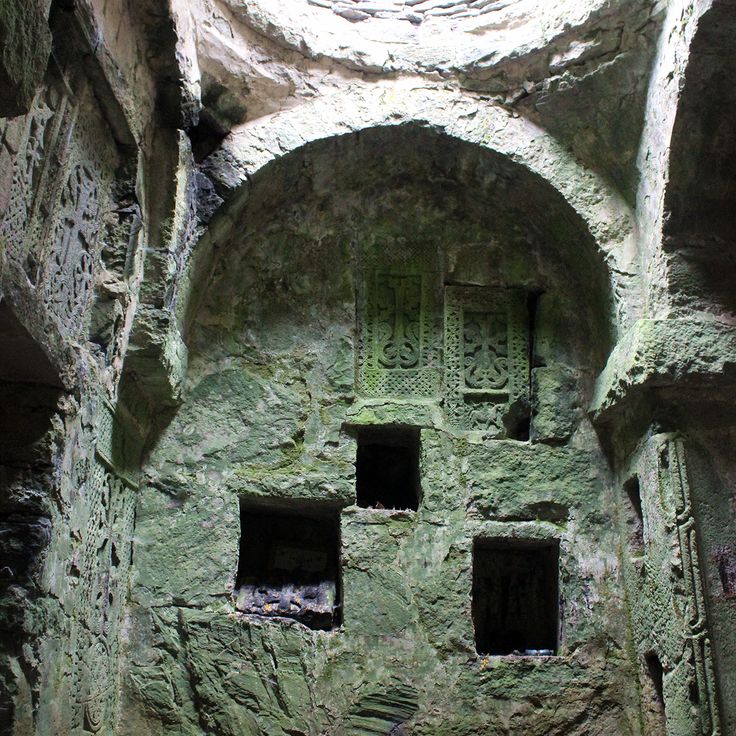
This monastery carved into rock was founded in the fourth century and contains churches and chambers decorated with wall reliefs added in the thirteenth century. The subterranean chapels and burial caves are cut directly into the cliff faces of the Azat valley. The ensemble ranks among the most important examples of Armenian stonework and combines freestanding structures with liturgical spaces integrated into the mountainside.
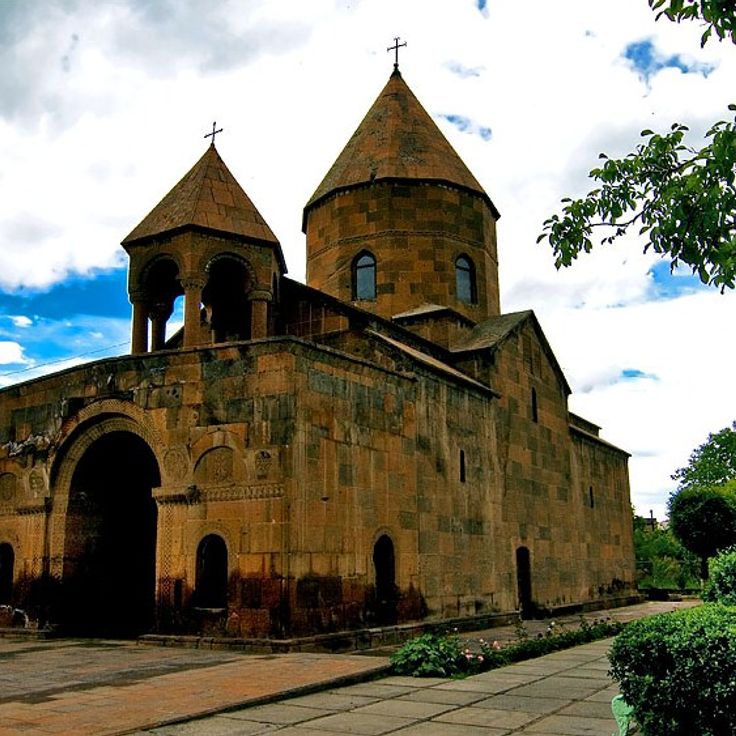
The Shoghakat Church in Vagharshapat was built in the early seventeenth century at the request of Prince Aghamal Sorotetsi and exemplifies traditional Armenian ecclesiastical architecture through its massive tuff stone walls and straightforward structural design.
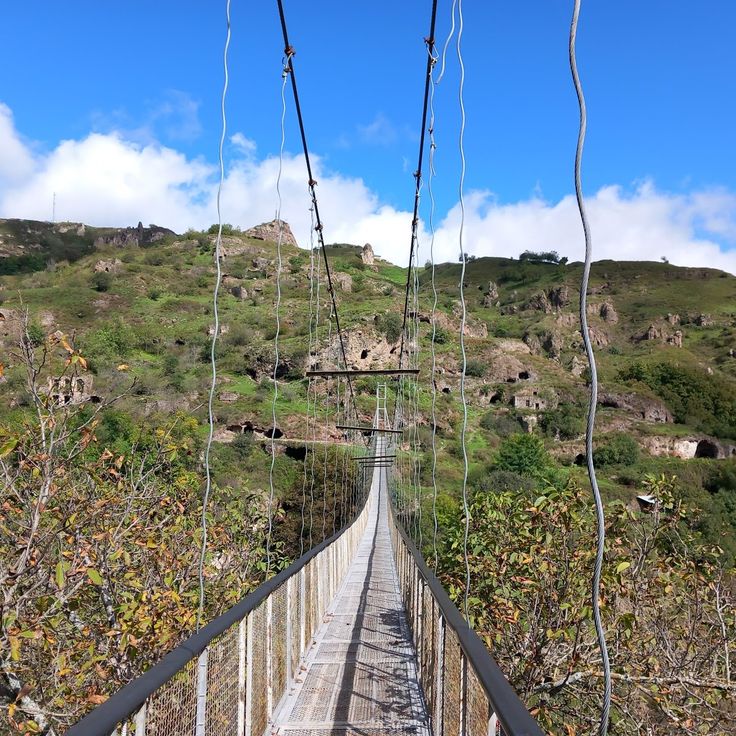
This abandoned cave village spreads across steep rock faces in Syunik Province, displaying hundreds of dwellings, chapels and storage rooms carved into the stone. Residents used natural and artificially expanded caves until the mid-twentieth century, when the last families moved to modern settlements. A suspension bridge built in 2012 now connects both sides of the gorge and provides access to the abandoned structures, which extend across multiple levels and offer insights into traditional dwelling patterns of the Armenian highlands.
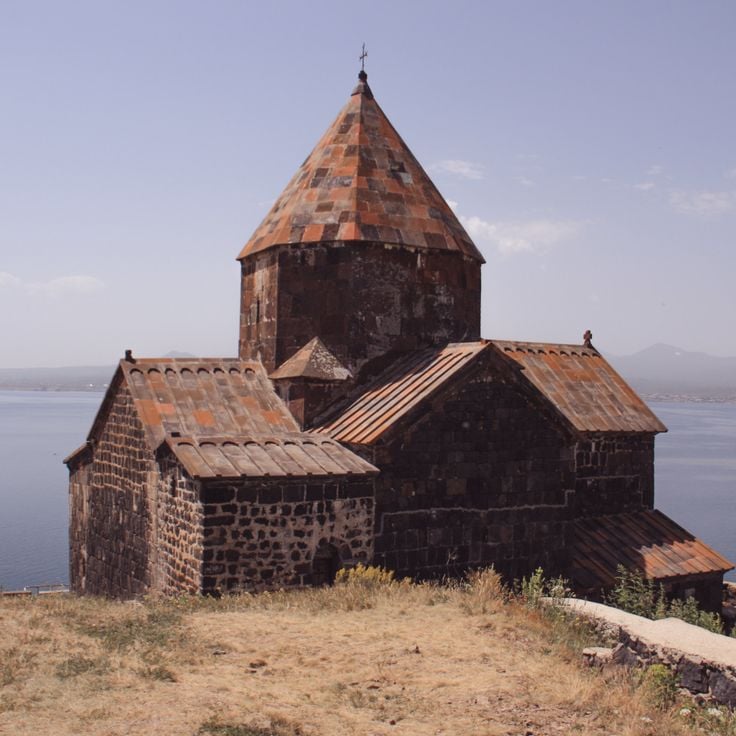
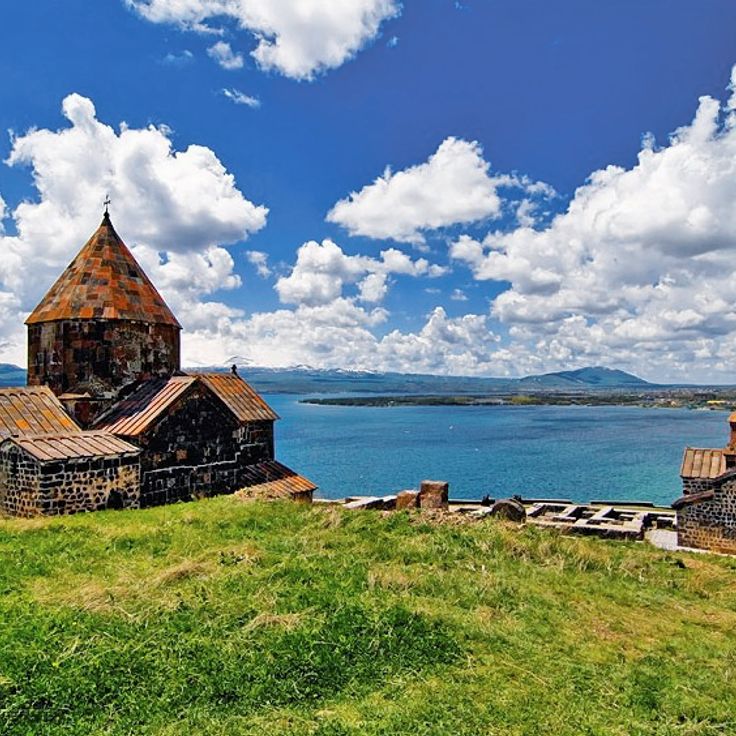
This 9th-century monastery stands on a peninsula of Lake Sevan at 6,200 feet (1,900 meters) and consists of two black basalt churches whose facades are decorated with geometric motifs and overlook the water.
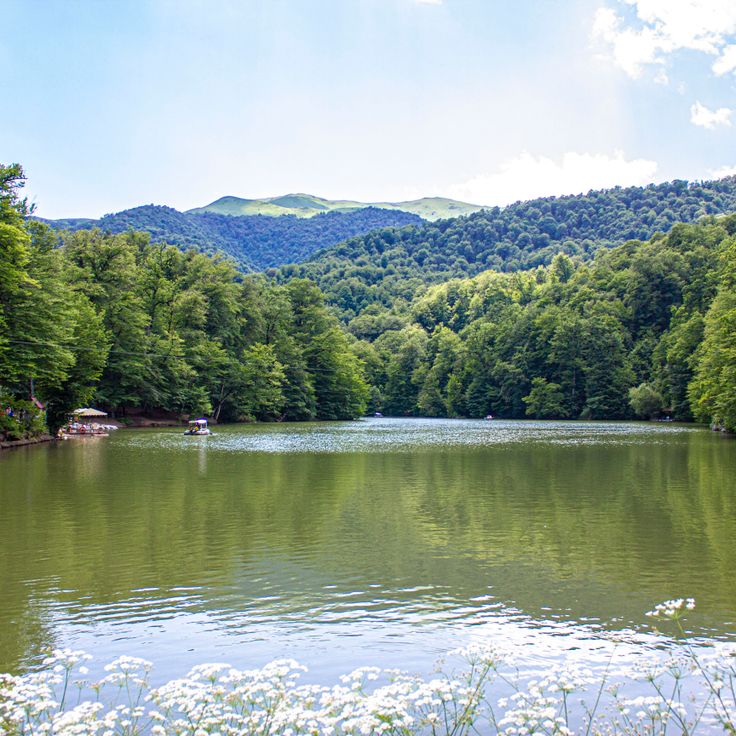
The forests of this national park extend across 59000 acres between 3300 and 7500 feet (1000 and 2300 meters) of elevation and consist mainly of oak and beech. The protected area preserves several mountain lakes as well as medieval monasteries from the 10th to 13th centuries that nestle within the forested valleys of Tavush Province.
This monastery from the 12th and 13th centuries preserves a collection of wall frescoes that adorn the walls and vaults of the religious complex in the Lori region following careful restoration, offering testimony to medieval Armenian painting.
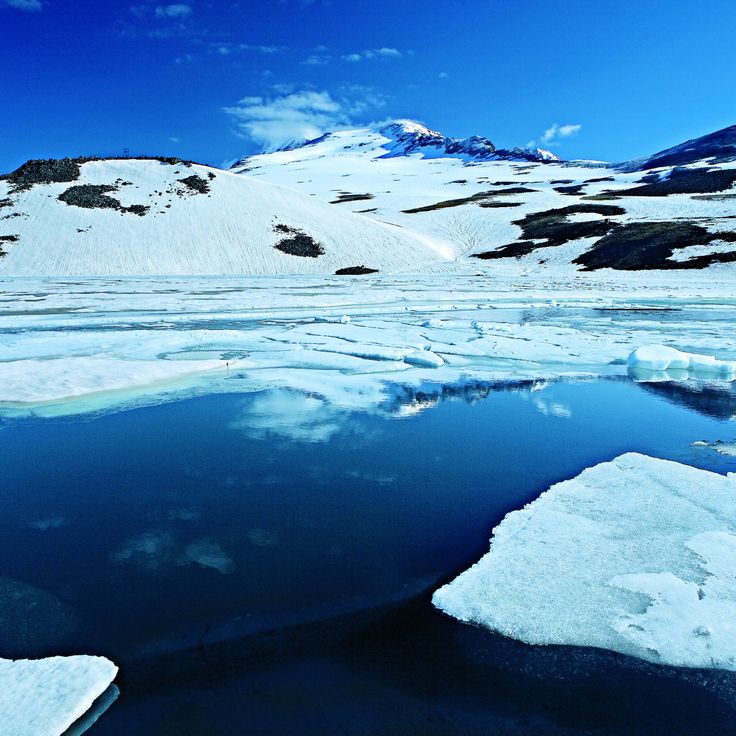
This alpine lake sits at 10,470 feet (3,190 meters) on the slopes of Mount Aragats, Armenia's highest peak, forming part of the country's historical and natural route. Meltwater from surrounding snowfields feeds the crater lake, whose shores become accessible during the brief summer months. The setting consists of volcanic rock and sparse vegetation adapted to this elevation.
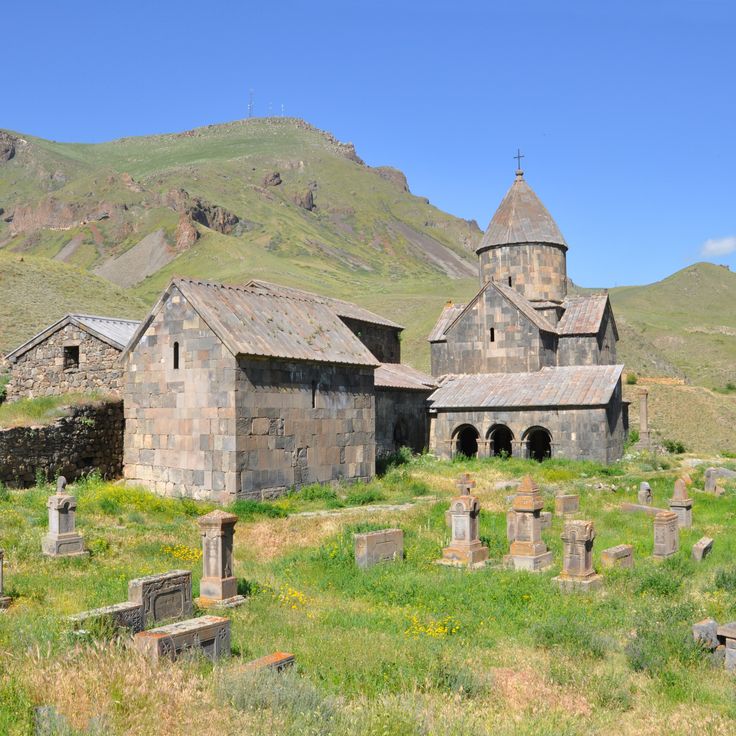
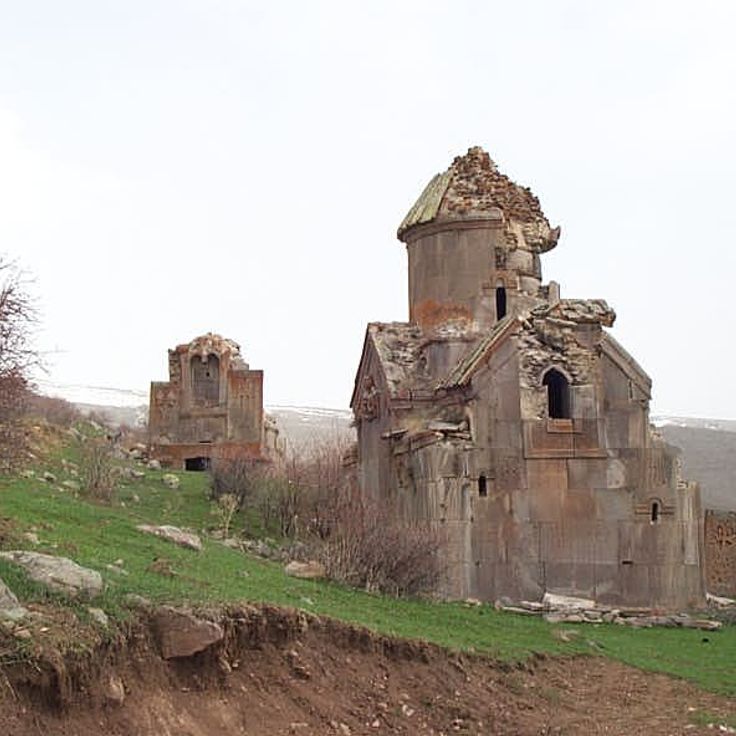
This 11th-century Armenian monastery stands on a rocky promontory above the Vorotan Gorge, displaying medieval architecture with stonework and a freestanding bell tower. The complex fits into the collection of religious structures that mark Armenia's mountainous terrain, offering views over the surrounding canyons.
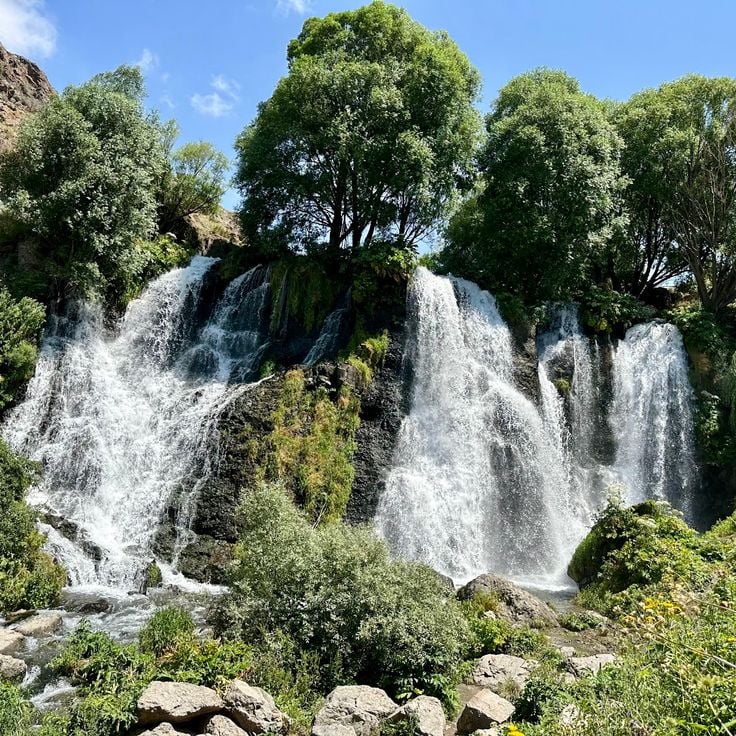
This waterfall in Syunik Province drops 18 meters (59 feet) over a basalt cliff into a natural basin surrounded by rock formations. The Shaki Falls illustrate the power of volcanic erosion across the Armenian highlands, where rivers have carved deep valleys through solidified magma.
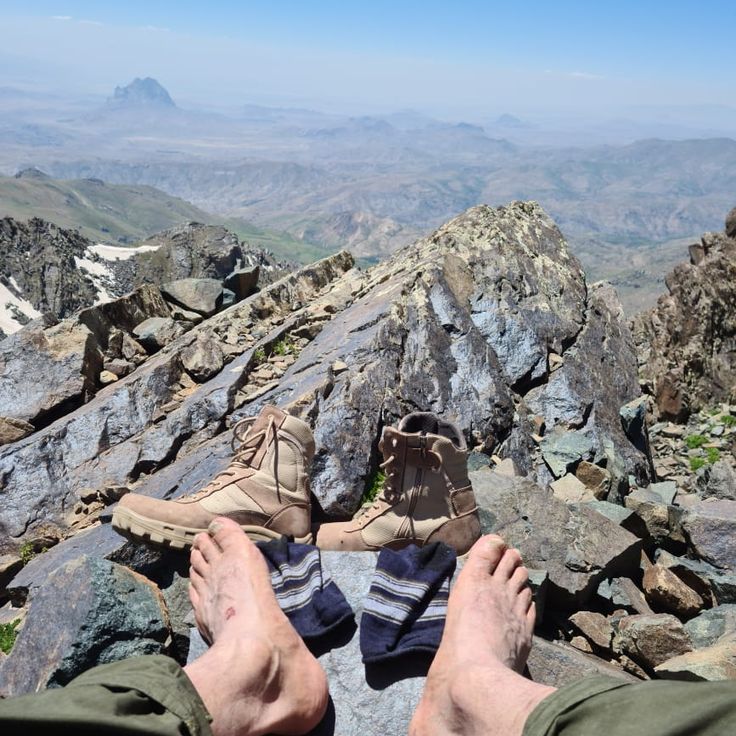
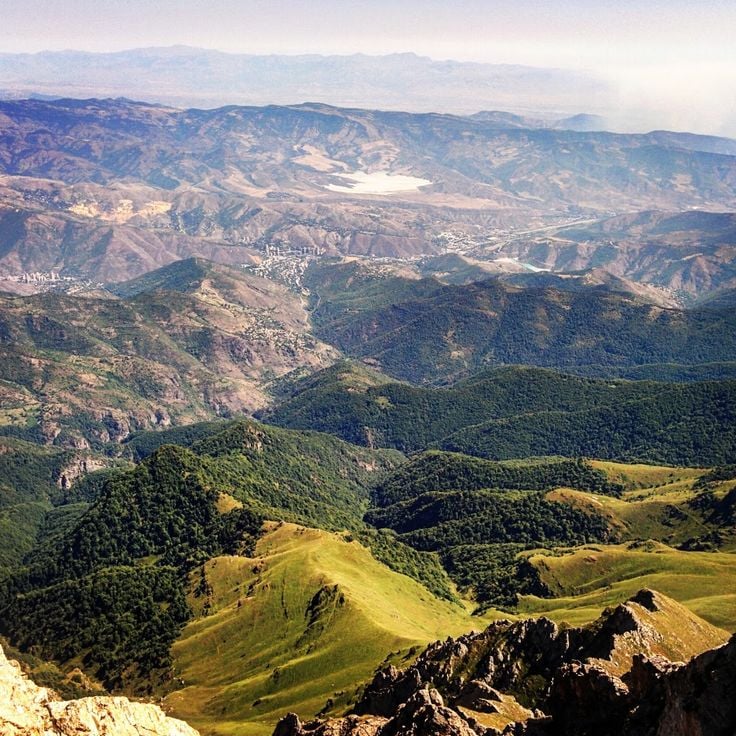
Mount Kaputjugh rises to 12,812 feet (3,905 meters) in the Zangezur Mountains, providing access to the central high terrain of the southern Armenian range. From this summit, views extend across the surrounding valleys of the Syunik region, among the most pronounced relief features in the Armenian highlands. The massif contributes to the geological structures that have shaped human settlement and route patterns in the southern Caucasus for thousands of years.
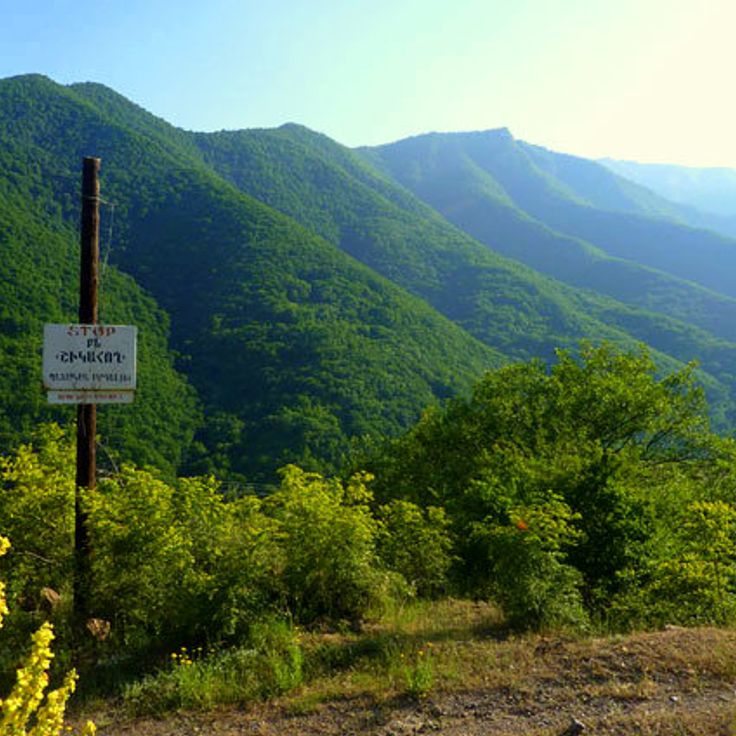
This nature reserve established in 1958 protects 10,000 hectares of oak and beech forests in southeastern Armenia. The Tsav River flows through the area, which encompasses one of the country's largest continuous forest tracts. Elevations range from 2,300 feet (700 m) to 7,900 feet (2,400 m), supporting habitats for numerous plant and animal species. Trails wind through dense woodlands and along the river, which cuts through deep gorges in the Syunik Province.
This ninth-century fortress stands on a rocky promontory at 4,475 feet (1,365 meters) above the Vorotan Valley and belongs to the series of medieval defensive structures that mark Armenia's mountainous terrain. The site represents the military heritage that complements the religious monasteries and ancient temples documenting several millennia of human settlement across the country.
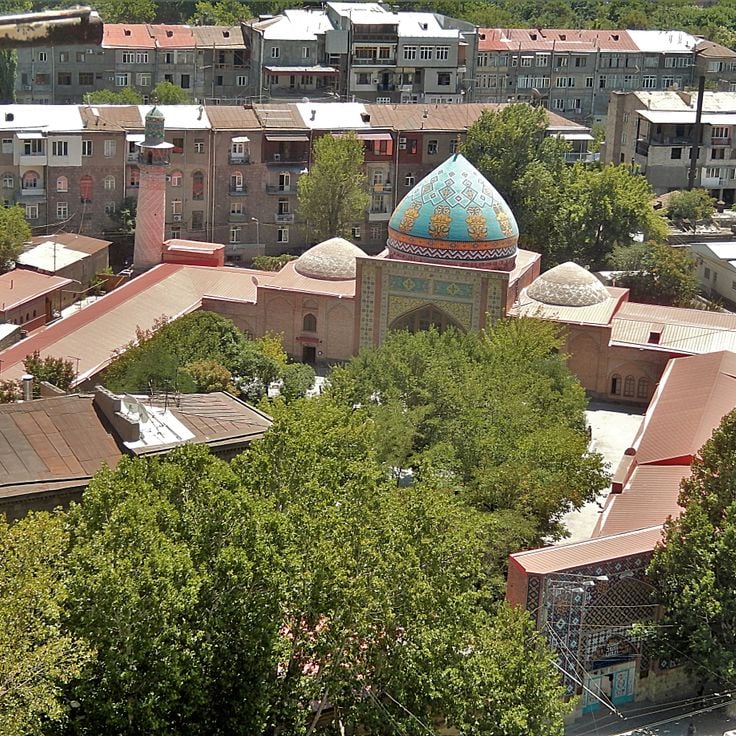
This mosque was built in 1766 and features a minaret rising 79 feet (24 meters). The prayer hall displays a lining of blue tiles that gives the building its name. As one of the few preserved Islamic structures in Yerevan, the site documents the historical presence of Persian communities in the urban space during the period of Safavid influence in the southern Caucasus.
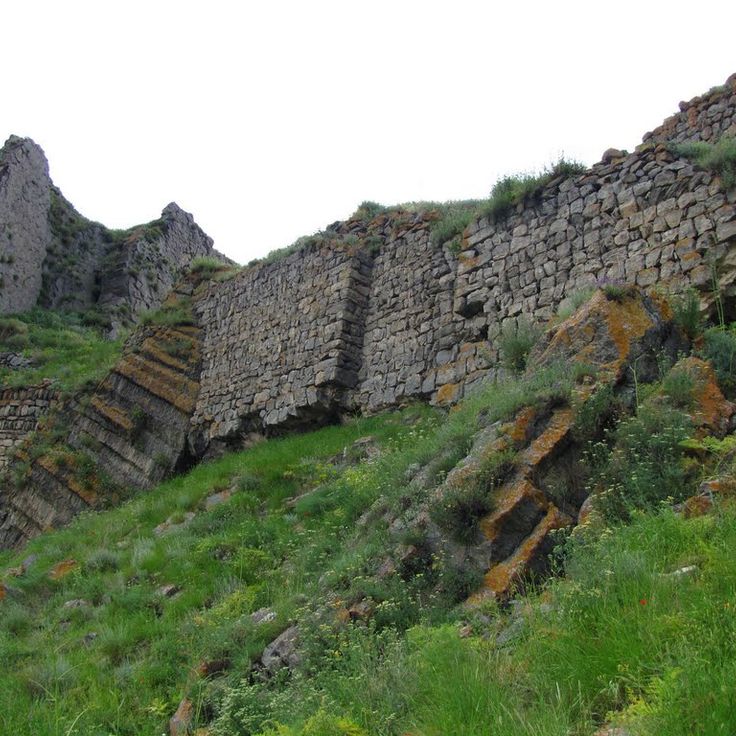
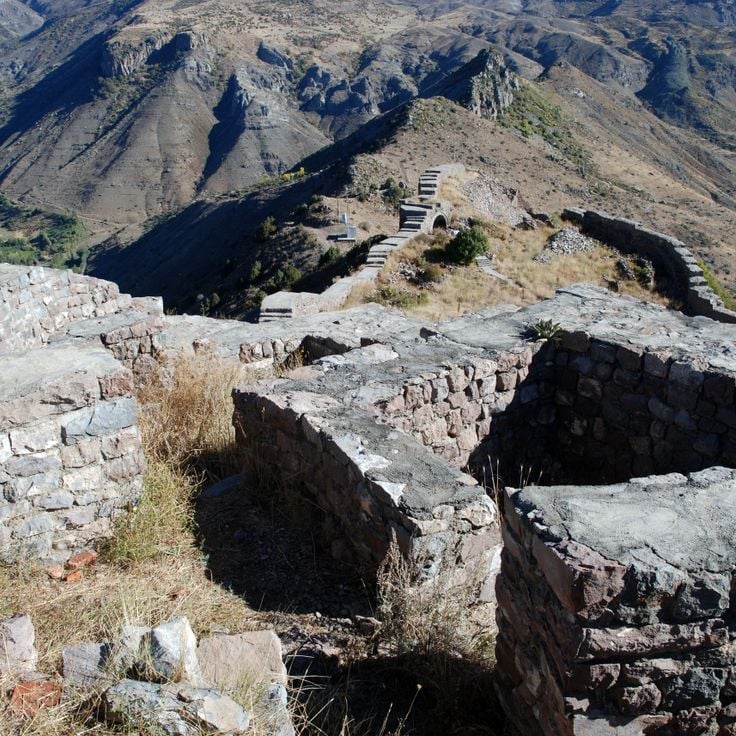
This fortification sits on a mountain ridge at 6,315 feet (1,925 meters) elevation and once secured trade routes through the highlands south of Mount Aragats. The defensive structure dates to the 5th century with 10th-century expansions. The walls extend several hundred meters along the ridge line, forming a natural barrier, while towers positioned at exposed points allowed surveillance of the valleys below. Inside the compound, remnants of residential buildings and cisterns indicate preparations for prolonged siege. The site offers a vantage point over the Vorotan River valley and demonstrates how medieval Armenia secured its mountainous territory through military architecture.
The Monastery of Tsakhats Kar comprises a medieval church, a chapel and dwellings carved into the rock face, built near the Smbataberd fortress on a mountain slope. The complex illustrates the monastic architecture that adapted to the mountainous topography of the region, combining religious functions with accommodations carved into the stone.
Mount Khustup rises to 10,535 feet (3,210 meters) and provides access to alpine meadows and forested areas at lower elevations that characterize the mountainous terrain of Armenia.
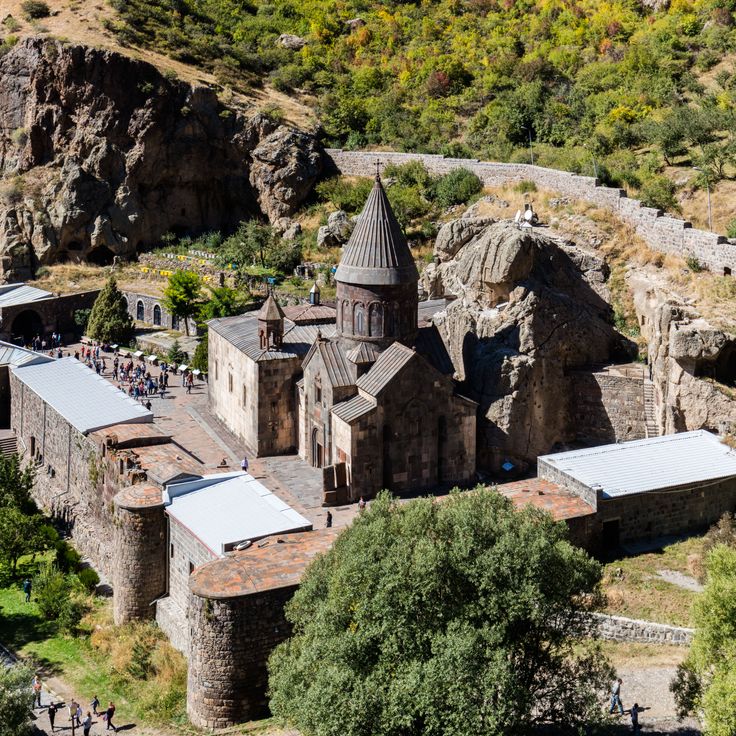
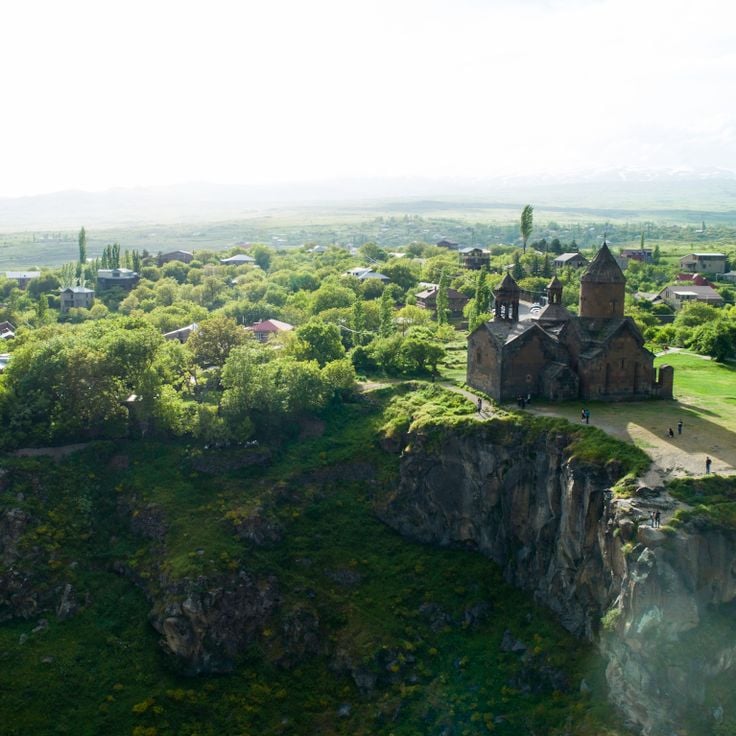
This 13th-century monastery stands at the edge of the Kasakh Gorge and forms an integral part of the religious landscape that extends across the Armenian highlands. The complex consists of three churches and a historic library that served for centuries as a center for preserving medieval manuscripts. The red tuff stone used in construction comes from local quarries and gives the architecture a distinctive color. The location at the canyon rim offers direct views of the geological formations that drop several hundred feet into the gorge below.
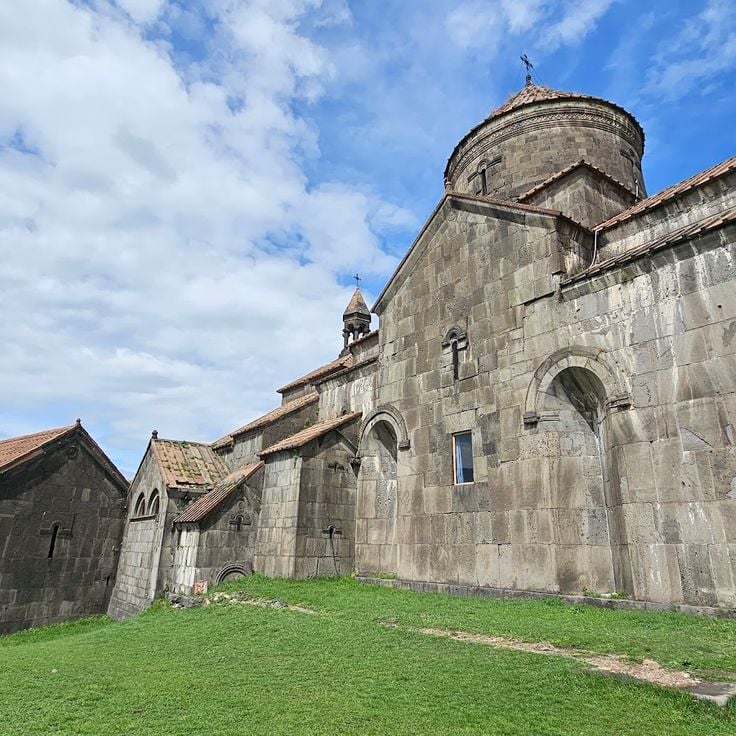
Haghpat Monastery stands among the key complexes in the Debed Canyon, built on a mountain plateau above the river starting in the tenth century. The main church combines Armenian architecture with elements of Byzantine tradition, while the refectory and library hold manuscripts from the medieval period. This cluster illustrates the monastic culture that played a leading role in education and scribal arts across the region between the tenth and thirteenth centuries.
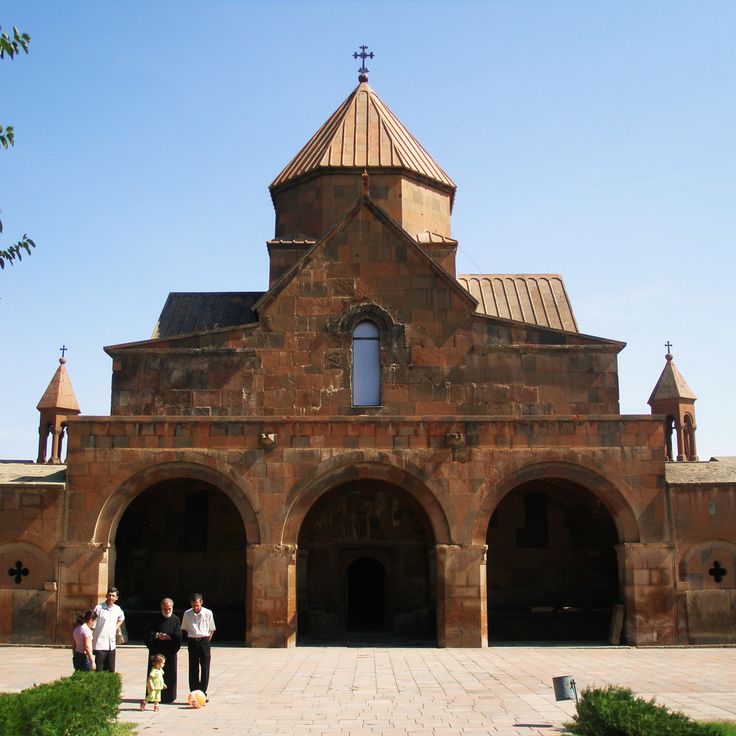
Saint Gayané Church dates from 630 and stands among the early religious structures that shaped Armenian architectural tradition. The building displays three apses and a central dome crafted from red stone, typical features of seventh-century Armenian church design. The church sits in Vagharshapat, the religious center of the country, where several significant sacred buildings from this period remain standing. Alongside the main worship space, the complex includes side chambers and an enclosing wall that complete the original layout.
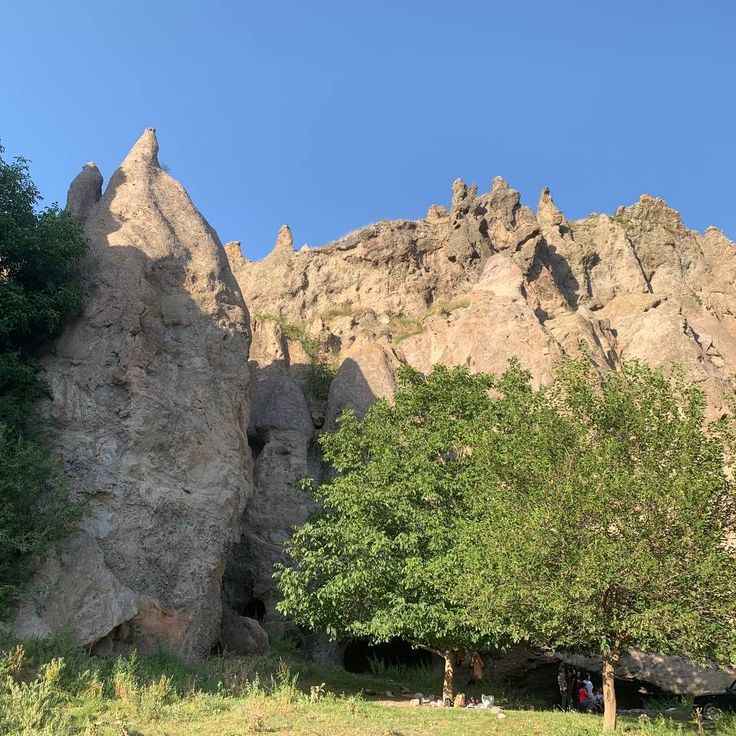
This historic site on the outskirts of Goris comprises caves and dwellings carved into volcanic tuff rock, providing direct insight into the traditional troglodytic way of life in the region that extended over several centuries and persisted into the twentieth century.
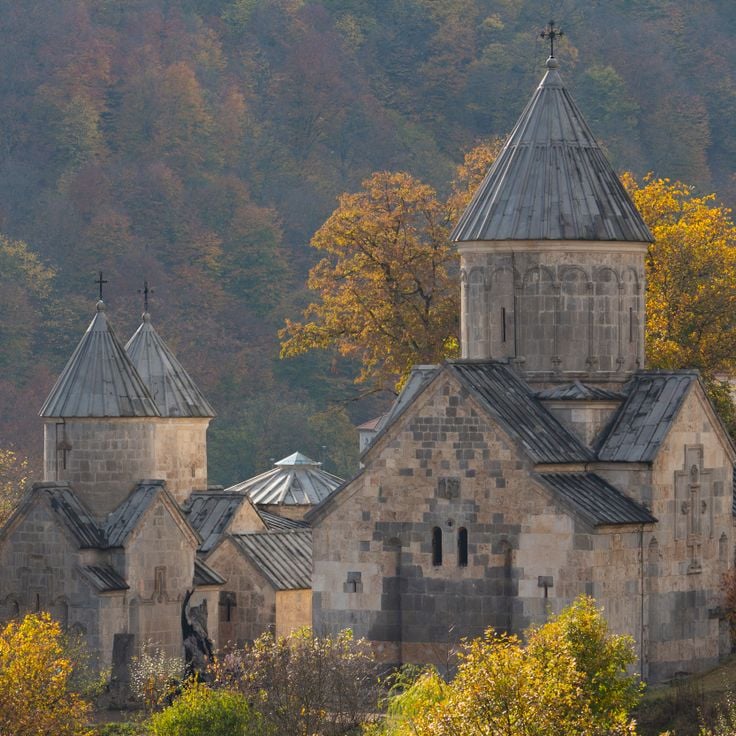
This monastery complex in the Dilijan forest combines three medieval churches, a refectory and ornamental khachkars. Haghartsin was built between the tenth and thirteenth centuries and occupies a wooded valley in Tavush Province. The stone structures illustrate the development of Armenian monastic architecture across three centuries, while the carved cross-stones represent typical examples of this religious art form. The ensemble integrates into the natural surroundings of the region and contrasts with the plateau monasteries found in other parts of Armenia.
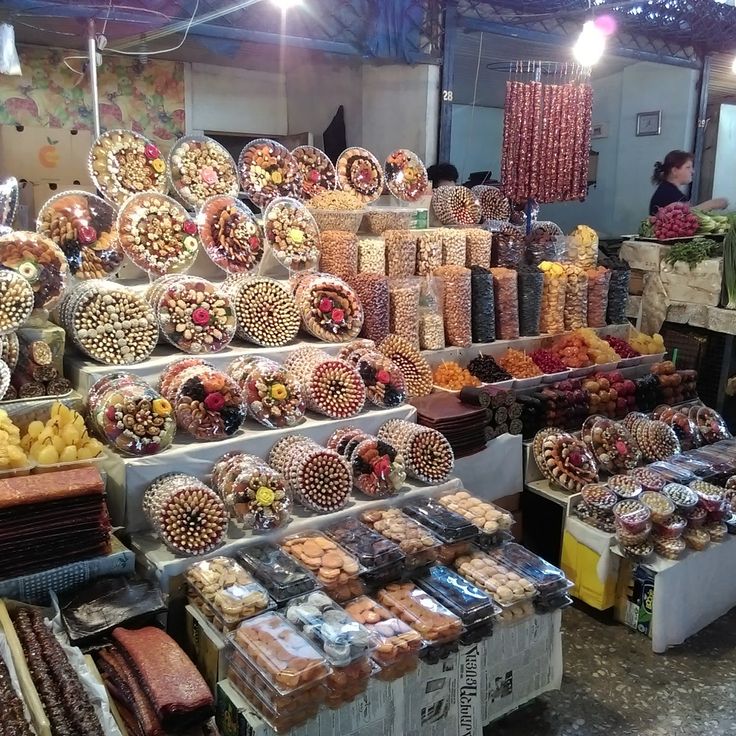
This market occupies three floors of a building constructed in 1952 and offers a selection of dried fruits, spices, vegetables and local handicrafts in the Armenian capital. The stalls display traditional products from the region as well as imported goods sold by vendors in covered corridors. The site has served as a central supply point for residents for decades and attracts visitors seeking regional specialties.
This 13th-century monastery consists of a stone church and gavit, with decorative carvings and Armenian inscriptions on its exterior walls. The religious complex stands in the forested mountain region of Tavush Province and belongs to the medieval monastic sites that document the historical heritage of the area.
Tatev Monastery stands as a major religious and intellectual center from the ninth century on a rocky plateau 5,250 feet (1,600 m) above the deep gorges of southern Armenia, housing three preserved churches, a medieval oil mill and a historic bell tower that has served as a seismic indicator for nearly a millennium.
This first-century Hellenistic temple stands on a rocky promontory above the Azat Gorge and remains one of Armenia's rare pre-Christian structures. The complex features a rectangular plan with 24 Ionic columns surrounding a platform measuring roughly 38 by 26 feet (11.5 by 7.98 meters). Damaged during the 1679 earthquake and reconstructed between 1969 and 1975, the structure most likely served the sun god Mithra. The site commands direct views over the valley and sits near third-century Roman baths.
The gorge of Noravank extends through a canyon with sandstone walls rising 650 feet (200 meters). A monastery from the 13th century stands on a rocky outcrop, forming with the red rock formations a cohesive ensemble of religious architecture and geological features that ranks among Armenia's historical and natural sites.
Khor Virap monastery stands in the Ararat plain and traces back to a fifth-century underground chapel where Gregory the Illuminator was imprisoned for thirteen years before introducing Christianity to Armenia. The current seventeenth-century compound includes a church and the restored dungeon chapel, which remains accessible through a narrow shaft. From the walls, a direct view opens toward Mount Ararat, rising 16,854 feet (5,137 meters) just 22 miles (35 kilometers) away on Turkish territory.
This archaeological site has yielded objects from the fifth millennium BC since 2007, including a leather shoe and traces of a wine production facility that rank among the earliest known evidence of these techniques and trace human occupation of the Armenian highlands back over six millennia.
This lake sits at 6,230 feet (1,900 meters) above sea level and spreads across some 470 square miles (1,200 square kilometers) in the eastern highlands of Armenia. The water body forms one of the largest inland basins in the region and provides access to medieval monasteries on its peninsula as well as public bathing beaches along its shores. The plateau surrounding the lake reaches average elevations between 5,900 and 6,560 feet (1,800 to 2,000 meters) and shapes the climatic conditions of the entire province. The shoreline extends for more than 125 miles (200 kilometers) and links historic sites with natural waterfront zones used for hiking and observing local wildlife.
This rocky canyon in Armenia reaches depths of 1,000 feet (300 meters) and shelters the medieval monasteries of Haghpat and Sanahin, both recognized as UNESCO World Heritage sites. The monastic complexes were built between the tenth and thirteenth centuries and represent the flourishing period of Armenian monastic architecture. The steep slopes of the Debed gorge frame the historic structures and provide access to additional religious sites along the river course.
This fortress spans a lava outcrop on the southern slope of Mount Aragats, combining military construction with religious architecture. The seventh-century fortification includes defensive walls, a residential tower and a bathhouse, while an eleventh-century church forms the spiritual center. At 7500 feet (2300 meters) above sea level, Amberd illustrates the defensive engineering of medieval Armenian rulers, merging functional military design with liturgical structures in an exposed mountain setting.
This megalithic complex on the edge of the Armenian highlands brings together 223 upright basalt stones arranged in circular patterns and believed to have been erected several millennia before the common era. Many stones display precisely drilled openings whose function remains debated. The ensemble spans a broad plateau and ranks among the significant archaeological sites in Syunik Province, documenting the legacy of human settlement since prehistoric times.
This cathedral ranks among Armenia's most important early Christian structures and was built between 643 and 652 under Catholicos Nerses III. The circular design with its three-story elevation collapsed in the tenth century following an earthquake and now exists as ruins. Archaeologists began uncovering numerous columns, richly carved capitals and wall fragments in the twentieth century, offering insight into the advanced construction techniques of the period. The floor plan reveals a central domed structure surrounded by arcades, clearly distinct from the rectangular church forms common to the era.
This cathedral was founded in 303 and serves as the spiritual center of the Armenian Apostolic Church. Recognized as the world's oldest state-sponsored Christian place of worship, the structure acquired its current form largely during the fifth century. The complex includes several chapels, a museum of ecclesiastical treasures, and a walled courtyard. The central dome rests on four massive pillars, while reliefs and frescoes adorn the interior spaces.
This monastery carved into rock was founded in the fourth century and contains churches and chambers decorated with wall reliefs added in the thirteenth century. The subterranean chapels and burial caves are cut directly into the cliff faces of the Azat valley. The ensemble ranks among the most important examples of Armenian stonework and combines freestanding structures with liturgical spaces integrated into the mountainside.
The Shoghakat Church in Vagharshapat was built in the early seventeenth century at the request of Prince Aghamal Sorotetsi and exemplifies traditional Armenian ecclesiastical architecture through its massive tuff stone walls and straightforward structural design.
This abandoned cave village spreads across steep rock faces in Syunik Province, displaying hundreds of dwellings, chapels and storage rooms carved into the stone. Residents used natural and artificially expanded caves until the mid-twentieth century, when the last families moved to modern settlements. A suspension bridge built in 2012 now connects both sides of the gorge and provides access to the abandoned structures, which extend across multiple levels and offer insights into traditional dwelling patterns of the Armenian highlands.
This 9th-century monastery stands on a peninsula of Lake Sevan at 6,200 feet (1,900 meters) and consists of two black basalt churches whose facades are decorated with geometric motifs and overlook the water.
The forests of this national park extend across 59000 acres between 3300 and 7500 feet (1000 and 2300 meters) of elevation and consist mainly of oak and beech. The protected area preserves several mountain lakes as well as medieval monasteries from the 10th to 13th centuries that nestle within the forested valleys of Tavush Province.
This monastery from the 12th and 13th centuries preserves a collection of wall frescoes that adorn the walls and vaults of the religious complex in the Lori region following careful restoration, offering testimony to medieval Armenian painting.
This alpine lake sits at 10,470 feet (3,190 meters) on the slopes of Mount Aragats, Armenia's highest peak, forming part of the country's historical and natural route. Meltwater from surrounding snowfields feeds the crater lake, whose shores become accessible during the brief summer months. The setting consists of volcanic rock and sparse vegetation adapted to this elevation.
This 11th-century Armenian monastery stands on a rocky promontory above the Vorotan Gorge, displaying medieval architecture with stonework and a freestanding bell tower. The complex fits into the collection of religious structures that mark Armenia's mountainous terrain, offering views over the surrounding canyons.
This waterfall in Syunik Province drops 18 meters (59 feet) over a basalt cliff into a natural basin surrounded by rock formations. The Shaki Falls illustrate the power of volcanic erosion across the Armenian highlands, where rivers have carved deep valleys through solidified magma.
Mount Kaputjugh rises to 12,812 feet (3,905 meters) in the Zangezur Mountains, providing access to the central high terrain of the southern Armenian range. From this summit, views extend across the surrounding valleys of the Syunik region, among the most pronounced relief features in the Armenian highlands. The massif contributes to the geological structures that have shaped human settlement and route patterns in the southern Caucasus for thousands of years.
This nature reserve established in 1958 protects 10,000 hectares of oak and beech forests in southeastern Armenia. The Tsav River flows through the area, which encompasses one of the country's largest continuous forest tracts. Elevations range from 2,300 feet (700 m) to 7,900 feet (2,400 m), supporting habitats for numerous plant and animal species. Trails wind through dense woodlands and along the river, which cuts through deep gorges in the Syunik Province.
This ninth-century fortress stands on a rocky promontory at 4,475 feet (1,365 meters) above the Vorotan Valley and belongs to the series of medieval defensive structures that mark Armenia's mountainous terrain. The site represents the military heritage that complements the religious monasteries and ancient temples documenting several millennia of human settlement across the country.
This mosque was built in 1766 and features a minaret rising 79 feet (24 meters). The prayer hall displays a lining of blue tiles that gives the building its name. As one of the few preserved Islamic structures in Yerevan, the site documents the historical presence of Persian communities in the urban space during the period of Safavid influence in the southern Caucasus.
This fortification sits on a mountain ridge at 6,315 feet (1,925 meters) elevation and once secured trade routes through the highlands south of Mount Aragats. The defensive structure dates to the 5th century with 10th-century expansions. The walls extend several hundred meters along the ridge line, forming a natural barrier, while towers positioned at exposed points allowed surveillance of the valleys below. Inside the compound, remnants of residential buildings and cisterns indicate preparations for prolonged siege. The site offers a vantage point over the Vorotan River valley and demonstrates how medieval Armenia secured its mountainous territory through military architecture.
The Monastery of Tsakhats Kar comprises a medieval church, a chapel and dwellings carved into the rock face, built near the Smbataberd fortress on a mountain slope. The complex illustrates the monastic architecture that adapted to the mountainous topography of the region, combining religious functions with accommodations carved into the stone.
Mount Khustup rises to 10,535 feet (3,210 meters) and provides access to alpine meadows and forested areas at lower elevations that characterize the mountainous terrain of Armenia.
This 13th-century monastery stands at the edge of the Kasakh Gorge and forms an integral part of the religious landscape that extends across the Armenian highlands. The complex consists of three churches and a historic library that served for centuries as a center for preserving medieval manuscripts. The red tuff stone used in construction comes from local quarries and gives the architecture a distinctive color. The location at the canyon rim offers direct views of the geological formations that drop several hundred feet into the gorge below.
Haghpat Monastery stands among the key complexes in the Debed Canyon, built on a mountain plateau above the river starting in the tenth century. The main church combines Armenian architecture with elements of Byzantine tradition, while the refectory and library hold manuscripts from the medieval period. This cluster illustrates the monastic culture that played a leading role in education and scribal arts across the region between the tenth and thirteenth centuries.
Saint Gayané Church dates from 630 and stands among the early religious structures that shaped Armenian architectural tradition. The building displays three apses and a central dome crafted from red stone, typical features of seventh-century Armenian church design. The church sits in Vagharshapat, the religious center of the country, where several significant sacred buildings from this period remain standing. Alongside the main worship space, the complex includes side chambers and an enclosing wall that complete the original layout.
This historic site on the outskirts of Goris comprises caves and dwellings carved into volcanic tuff rock, providing direct insight into the traditional troglodytic way of life in the region that extended over several centuries and persisted into the twentieth century.
This monastery complex in the Dilijan forest combines three medieval churches, a refectory and ornamental khachkars. Haghartsin was built between the tenth and thirteenth centuries and occupies a wooded valley in Tavush Province. The stone structures illustrate the development of Armenian monastic architecture across three centuries, while the carved cross-stones represent typical examples of this religious art form. The ensemble integrates into the natural surroundings of the region and contrasts with the plateau monasteries found in other parts of Armenia.
This market occupies three floors of a building constructed in 1952 and offers a selection of dried fruits, spices, vegetables and local handicrafts in the Armenian capital. The stalls display traditional products from the region as well as imported goods sold by vendors in covered corridors. The site has served as a central supply point for residents for decades and attracts visitors seeking regional specialties.
This 13th-century monastery consists of a stone church and gavit, with decorative carvings and Armenian inscriptions on its exterior walls. The religious complex stands in the forested mountain region of Tavush Province and belongs to the medieval monastic sites that document the historical heritage of the area.
Tatev Monastery stands as a major religious and intellectual center from the ninth century on a rocky plateau 5,250 feet (1,600 m) above the deep gorges of southern Armenia, housing three preserved churches, a medieval oil mill and a historic bell tower that has served as a seismic indicator for nearly a millennium.
This first-century Hellenistic temple stands on a rocky promontory above the Azat Gorge and remains one of Armenia's rare pre-Christian structures. The complex features a rectangular plan with 24 Ionic columns surrounding a platform measuring roughly 38 by 26 feet (11.5 by 7.98 meters). Damaged during the 1679 earthquake and reconstructed between 1969 and 1975, the structure most likely served the sun god Mithra. The site commands direct views over the valley and sits near third-century Roman baths.
The gorge of Noravank extends through a canyon with sandstone walls rising 650 feet (200 meters). A monastery from the 13th century stands on a rocky outcrop, forming with the red rock formations a cohesive ensemble of religious architecture and geological features that ranks among Armenia's historical and natural sites.
Khor Virap monastery stands in the Ararat plain and traces back to a fifth-century underground chapel where Gregory the Illuminator was imprisoned for thirteen years before introducing Christianity to Armenia. The current seventeenth-century compound includes a church and the restored dungeon chapel, which remains accessible through a narrow shaft. From the walls, a direct view opens toward Mount Ararat, rising 16,854 feet (5,137 meters) just 22 miles (35 kilometers) away on Turkish territory.
This archaeological site has yielded objects from the fifth millennium BC since 2007, including a leather shoe and traces of a wine production facility that rank among the earliest known evidence of these techniques and trace human occupation of the Armenian highlands back over six millennia.
This lake sits at 6,230 feet (1,900 meters) above sea level and spreads across some 470 square miles (1,200 square kilometers) in the eastern highlands of Armenia. The water body forms one of the largest inland basins in the region and provides access to medieval monasteries on its peninsula as well as public bathing beaches along its shores. The plateau surrounding the lake reaches average elevations between 5,900 and 6,560 feet (1,800 to 2,000 meters) and shapes the climatic conditions of the entire province. The shoreline extends for more than 125 miles (200 kilometers) and links historic sites with natural waterfront zones used for hiking and observing local wildlife.
This rocky canyon in Armenia reaches depths of 1,000 feet (300 meters) and shelters the medieval monasteries of Haghpat and Sanahin, both recognized as UNESCO World Heritage sites. The monastic complexes were built between the tenth and thirteenth centuries and represent the flourishing period of Armenian monastic architecture. The steep slopes of the Debed gorge frame the historic structures and provide access to additional religious sites along the river course.
This fortress spans a lava outcrop on the southern slope of Mount Aragats, combining military construction with religious architecture. The seventh-century fortification includes defensive walls, a residential tower and a bathhouse, while an eleventh-century church forms the spiritual center. At 7500 feet (2300 meters) above sea level, Amberd illustrates the defensive engineering of medieval Armenian rulers, merging functional military design with liturgical structures in an exposed mountain setting.
This megalithic complex on the edge of the Armenian highlands brings together 223 upright basalt stones arranged in circular patterns and believed to have been erected several millennia before the common era. Many stones display precisely drilled openings whose function remains debated. The ensemble spans a broad plateau and ranks among the significant archaeological sites in Syunik Province, documenting the legacy of human settlement since prehistoric times.
This cathedral ranks among Armenia's most important early Christian structures and was built between 643 and 652 under Catholicos Nerses III. The circular design with its three-story elevation collapsed in the tenth century following an earthquake and now exists as ruins. Archaeologists began uncovering numerous columns, richly carved capitals and wall fragments in the twentieth century, offering insight into the advanced construction techniques of the period. The floor plan reveals a central domed structure surrounded by arcades, clearly distinct from the rectangular church forms common to the era.
This cathedral was founded in 303 and serves as the spiritual center of the Armenian Apostolic Church. Recognized as the world's oldest state-sponsored Christian place of worship, the structure acquired its current form largely during the fifth century. The complex includes several chapels, a museum of ecclesiastical treasures, and a walled courtyard. The central dome rests on four massive pillars, while reliefs and frescoes adorn the interior spaces.
This monastery carved into rock was founded in the fourth century and contains churches and chambers decorated with wall reliefs added in the thirteenth century. The subterranean chapels and burial caves are cut directly into the cliff faces of the Azat valley. The ensemble ranks among the most important examples of Armenian stonework and combines freestanding structures with liturgical spaces integrated into the mountainside.
The Shoghakat Church in Vagharshapat was built in the early seventeenth century at the request of Prince Aghamal Sorotetsi and exemplifies traditional Armenian ecclesiastical architecture through its massive tuff stone walls and straightforward structural design.
This abandoned cave village spreads across steep rock faces in Syunik Province, displaying hundreds of dwellings, chapels and storage rooms carved into the stone. Residents used natural and artificially expanded caves until the mid-twentieth century, when the last families moved to modern settlements. A suspension bridge built in 2012 now connects both sides of the gorge and provides access to the abandoned structures, which extend across multiple levels and offer insights into traditional dwelling patterns of the Armenian highlands.
This 9th-century monastery stands on a peninsula of Lake Sevan at 6,200 feet (1,900 meters) and consists of two black basalt churches whose facades are decorated with geometric motifs and overlook the water.
The forests of this national park extend across 59000 acres between 3300 and 7500 feet (1000 and 2300 meters) of elevation and consist mainly of oak and beech. The protected area preserves several mountain lakes as well as medieval monasteries from the 10th to 13th centuries that nestle within the forested valleys of Tavush Province.
This monastery from the 12th and 13th centuries preserves a collection of wall frescoes that adorn the walls and vaults of the religious complex in the Lori region following careful restoration, offering testimony to medieval Armenian painting.
This alpine lake sits at 10,470 feet (3,190 meters) on the slopes of Mount Aragats, Armenia's highest peak, forming part of the country's historical and natural route. Meltwater from surrounding snowfields feeds the crater lake, whose shores become accessible during the brief summer months. The setting consists of volcanic rock and sparse vegetation adapted to this elevation.
This 11th-century Armenian monastery stands on a rocky promontory above the Vorotan Gorge, displaying medieval architecture with stonework and a freestanding bell tower. The complex fits into the collection of religious structures that mark Armenia's mountainous terrain, offering views over the surrounding canyons.
This waterfall in Syunik Province drops 18 meters (59 feet) over a basalt cliff into a natural basin surrounded by rock formations. The Shaki Falls illustrate the power of volcanic erosion across the Armenian highlands, where rivers have carved deep valleys through solidified magma.
Mount Kaputjugh rises to 12,812 feet (3,905 meters) in the Zangezur Mountains, providing access to the central high terrain of the southern Armenian range. From this summit, views extend across the surrounding valleys of the Syunik region, among the most pronounced relief features in the Armenian highlands. The massif contributes to the geological structures that have shaped human settlement and route patterns in the southern Caucasus for thousands of years.
This nature reserve established in 1958 protects 10,000 hectares of oak and beech forests in southeastern Armenia. The Tsav River flows through the area, which encompasses one of the country's largest continuous forest tracts. Elevations range from 2,300 feet (700 m) to 7,900 feet (2,400 m), supporting habitats for numerous plant and animal species. Trails wind through dense woodlands and along the river, which cuts through deep gorges in the Syunik Province.
This ninth-century fortress stands on a rocky promontory at 4,475 feet (1,365 meters) above the Vorotan Valley and belongs to the series of medieval defensive structures that mark Armenia's mountainous terrain. The site represents the military heritage that complements the religious monasteries and ancient temples documenting several millennia of human settlement across the country.
This mosque was built in 1766 and features a minaret rising 79 feet (24 meters). The prayer hall displays a lining of blue tiles that gives the building its name. As one of the few preserved Islamic structures in Yerevan, the site documents the historical presence of Persian communities in the urban space during the period of Safavid influence in the southern Caucasus.
This fortification sits on a mountain ridge at 6,315 feet (1,925 meters) elevation and once secured trade routes through the highlands south of Mount Aragats. The defensive structure dates to the 5th century with 10th-century expansions. The walls extend several hundred meters along the ridge line, forming a natural barrier, while towers positioned at exposed points allowed surveillance of the valleys below. Inside the compound, remnants of residential buildings and cisterns indicate preparations for prolonged siege. The site offers a vantage point over the Vorotan River valley and demonstrates how medieval Armenia secured its mountainous territory through military architecture.
The Monastery of Tsakhats Kar comprises a medieval church, a chapel and dwellings carved into the rock face, built near the Smbataberd fortress on a mountain slope. The complex illustrates the monastic architecture that adapted to the mountainous topography of the region, combining religious functions with accommodations carved into the stone.
Mount Khustup rises to 10,535 feet (3,210 meters) and provides access to alpine meadows and forested areas at lower elevations that characterize the mountainous terrain of Armenia.
This 13th-century monastery stands at the edge of the Kasakh Gorge and forms an integral part of the religious landscape that extends across the Armenian highlands. The complex consists of three churches and a historic library that served for centuries as a center for preserving medieval manuscripts. The red tuff stone used in construction comes from local quarries and gives the architecture a distinctive color. The location at the canyon rim offers direct views of the geological formations that drop several hundred feet into the gorge below.
Haghpat Monastery stands among the key complexes in the Debed Canyon, built on a mountain plateau above the river starting in the tenth century. The main church combines Armenian architecture with elements of Byzantine tradition, while the refectory and library hold manuscripts from the medieval period. This cluster illustrates the monastic culture that played a leading role in education and scribal arts across the region between the tenth and thirteenth centuries.
Saint Gayané Church dates from 630 and stands among the early religious structures that shaped Armenian architectural tradition. The building displays three apses and a central dome crafted from red stone, typical features of seventh-century Armenian church design. The church sits in Vagharshapat, the religious center of the country, where several significant sacred buildings from this period remain standing. Alongside the main worship space, the complex includes side chambers and an enclosing wall that complete the original layout.
This historic site on the outskirts of Goris comprises caves and dwellings carved into volcanic tuff rock, providing direct insight into the traditional troglodytic way of life in the region that extended over several centuries and persisted into the twentieth century.
This monastery complex in the Dilijan forest combines three medieval churches, a refectory and ornamental khachkars. Haghartsin was built between the tenth and thirteenth centuries and occupies a wooded valley in Tavush Province. The stone structures illustrate the development of Armenian monastic architecture across three centuries, while the carved cross-stones represent typical examples of this religious art form. The ensemble integrates into the natural surroundings of the region and contrasts with the plateau monasteries found in other parts of Armenia.
This market occupies three floors of a building constructed in 1952 and offers a selection of dried fruits, spices, vegetables and local handicrafts in the Armenian capital. The stalls display traditional products from the region as well as imported goods sold by vendors in covered corridors. The site has served as a central supply point for residents for decades and attracts visitors seeking regional specialties.
This 13th-century monastery consists of a stone church and gavit, with decorative carvings and Armenian inscriptions on its exterior walls. The religious complex stands in the forested mountain region of Tavush Province and belongs to the medieval monastic sites that document the historical heritage of the area.