Swains Island, Coral atoll in American Samoa, United States
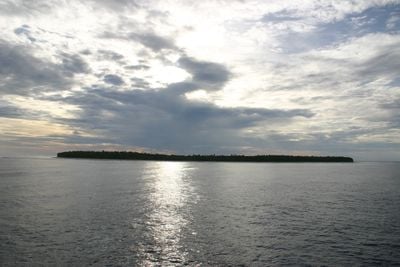
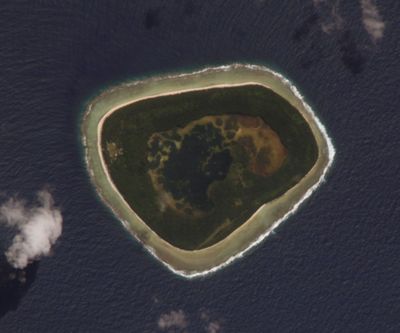
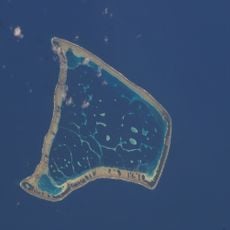
Swains Island is a circular coral atoll in American Samoa with a freshwater lagoon at its center and distinct ecological features. The island has remained unpopulated since 2008, though it receives occasional visits from researchers and members of a long-established family.
The island was discovered and documented by Captain William Hudson of the United States Exploring Expedition in 1841. It gained economic importance through plantation activity that shaped its development for over a century until the population left.
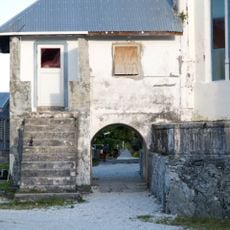
The Jennings family shaped life on the island over many generations by developing agricultural activities that defined the community for decades. Their presence left marks on how people relate to and use this remote place even today.
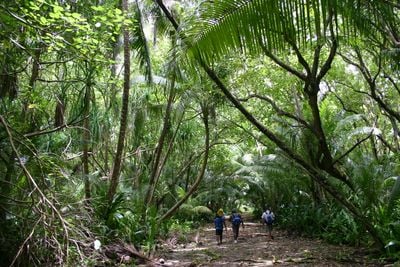
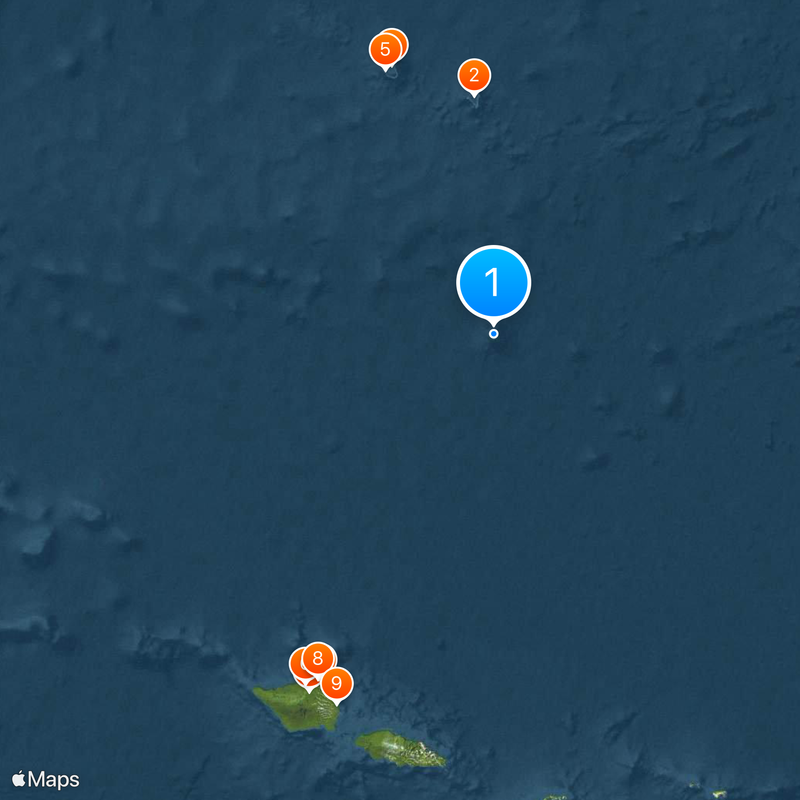
The island is difficult to reach and is not managed as a tourism destination, so visits require special permission and advance planning. Visitors should expect an extremely remote location with no facilities or infrastructure for travelers.
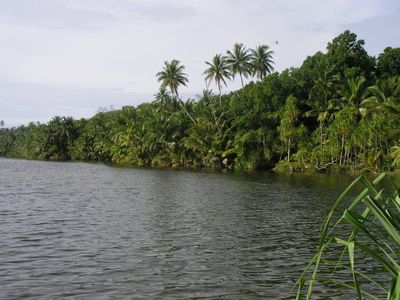
The freshwater lagoon contains two fish species found nowhere else in the region, drawing the attention of scientists who study isolated ecosystems. This unusual ecology makes the island important for understanding how life adapts in cut-off environments.
The community of curious travelers
AroundUs brings together thousands of curated places, local tips, and hidden gems, enriched daily by 91,266 contributors worldwide.