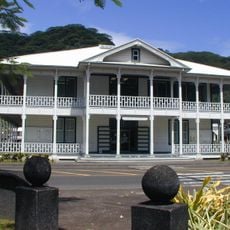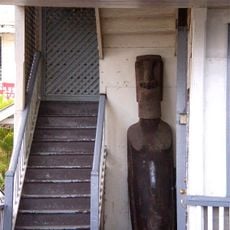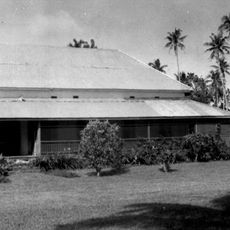
American Samoa, Unincorporated territory in South Pacific Ocean, United States.
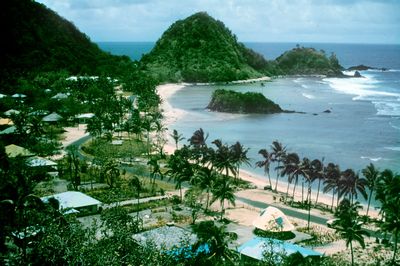
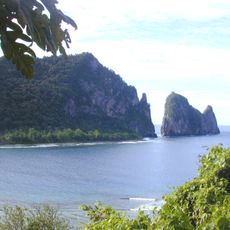
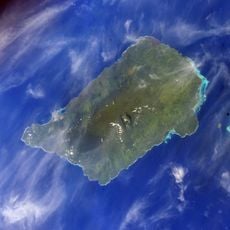
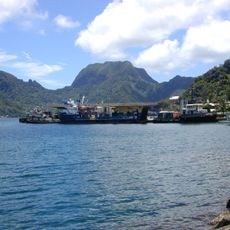
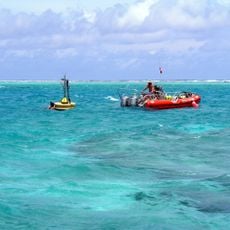
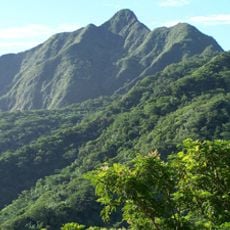
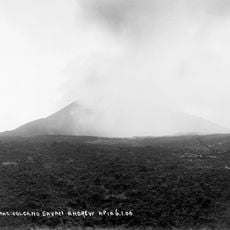
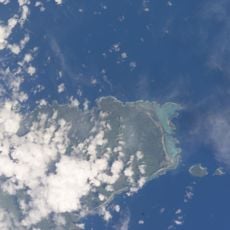
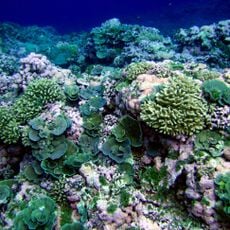
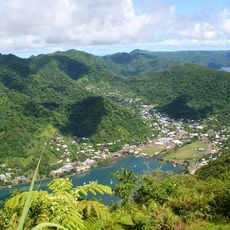
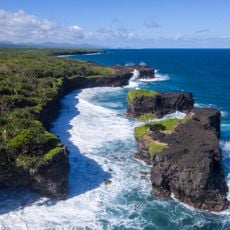
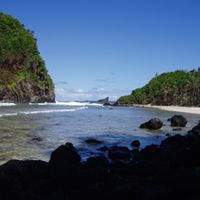
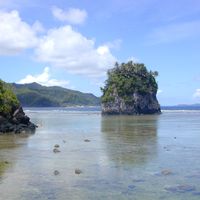
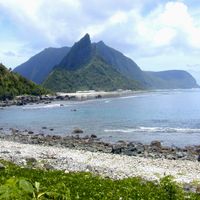
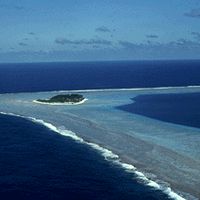
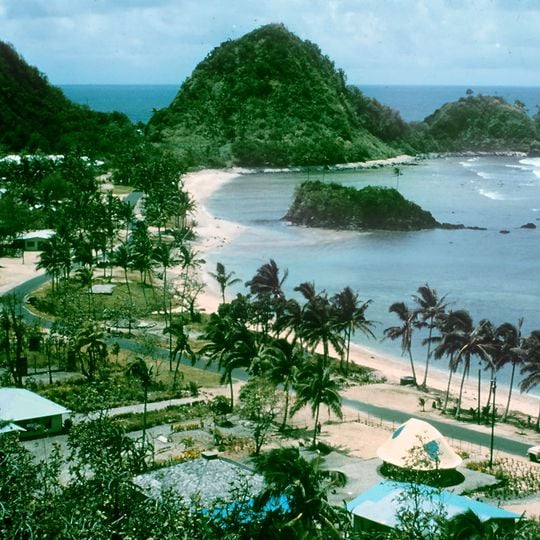
American Samoa is an unincorporated territory in the South Pacific, made up of five volcanic islands and two coral atolls southeast of Hawaii. The largest island, Tutuila, holds the natural harbor of Pago Pago, while the Manua Islands and remote Rose Atoll lie farther east, separated by open ocean.
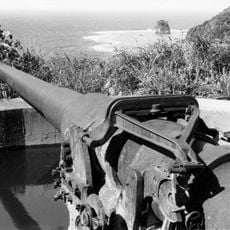
The United States took control of the eastern Samoan islands through the Tripartite Convention of 1899 and set up a naval station in Pago Pago Bay. The territory remained under Navy command until 1951, when it passed to civilian administration under the Department of the Interior.
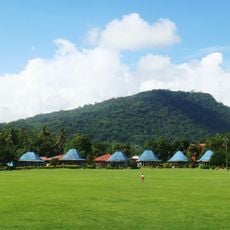
Residents speak Samoan in daily life and uphold Faa Samoa, the traditional way of living that shows in shared meals, danced stories, and woven mats. Villages are led by matai, elected family chiefs who meet in open-sided fale houses to decide on land use and ceremonies.
People who live here hold the status of United States nationals rather than citizens, which means they do not pay federal income tax. Passports from the US allow entry, but the flight from Honolulu takes about five hours, and the time zone runs one hour behind Hawaii.
These islands avoided any deaths during the 1918 flu pandemic through strict maritime quarantine, while nearby Western Samoa lost more than a fifth of its people. Older residents today still recall their grandparents' stories of closed harbors and turned-away ships.
The community of curious travelers
AroundUs brings together thousands of curated places, local tips, and hidden gems, enriched daily by 92,015 contributors worldwide.