National Park of American Samoa, National park in Tutuila, Ta'u and Ofu islands, American Samoa
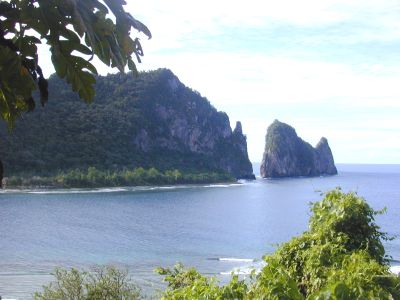
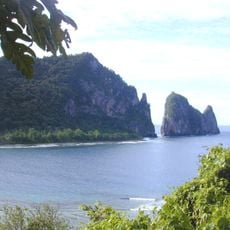
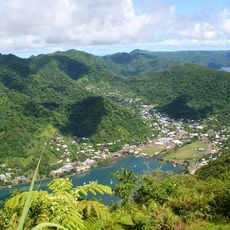
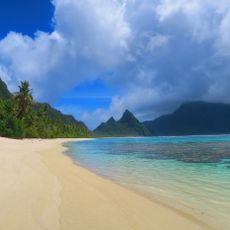
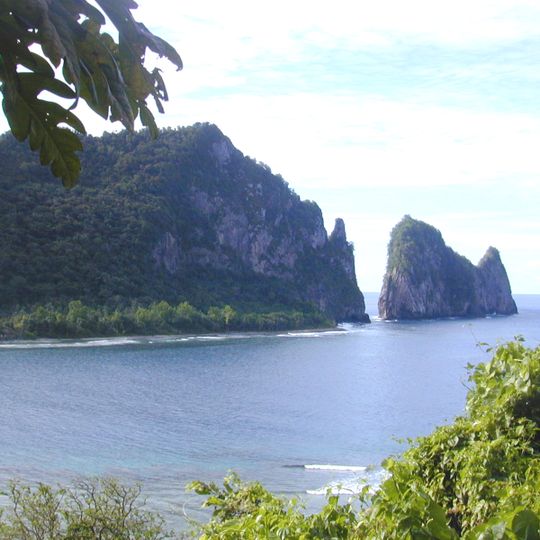
The National Park of American Samoa is a protected area covering 36 square kilometers (14 square miles) of rainforest, coral reefs, and marine ecosystems distributed across three South Pacific islands. The landscape ranges from dense slopes filled with trees and ferns to underwater gardens where fish swim among living corals.
The United States Congress created this protected area in 1988 and integrated traditional land rights into its structure. It is the only park in the system where land is secured through lease agreements with Samoan villages rather than direct ownership.
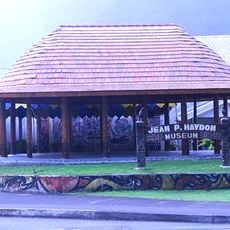
Islanders live here following fa'a Samoa, a traditional way of life that emphasizes respect for elders and communal decision-making. Visitors often see fale, open wooden houses without walls, that reveal daily family life and show the close bond between people and the natural world.
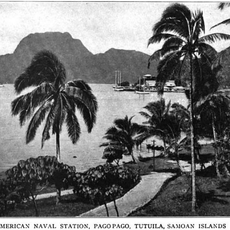
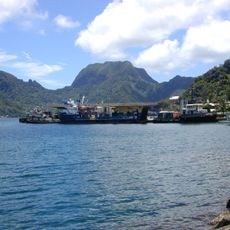
The section on Tutuila can be reached by car from Pago Pago, while the more remote islands of Ofu and Ta'u require additional short domestic flights. Hikers should be cautious in wet conditions, as trails through the rainforest become slippery and some sections are steep.
This park protects the only paleotropical rainforest within the American national park system and provides habitat for the Samoan flying fox, a large bat species. The flying foxes are visible during the day in the tree canopy, where they hang from branches with their wings spread wide.
The community of curious travelers
AroundUs brings together thousands of curated places, local tips, and hidden gems, enriched daily by 60,000 contributors worldwide.