Navidad, Coastal commune in Cardenal Caro Province, Chile
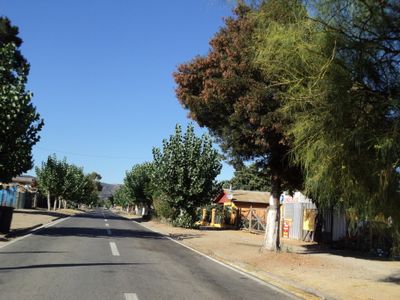
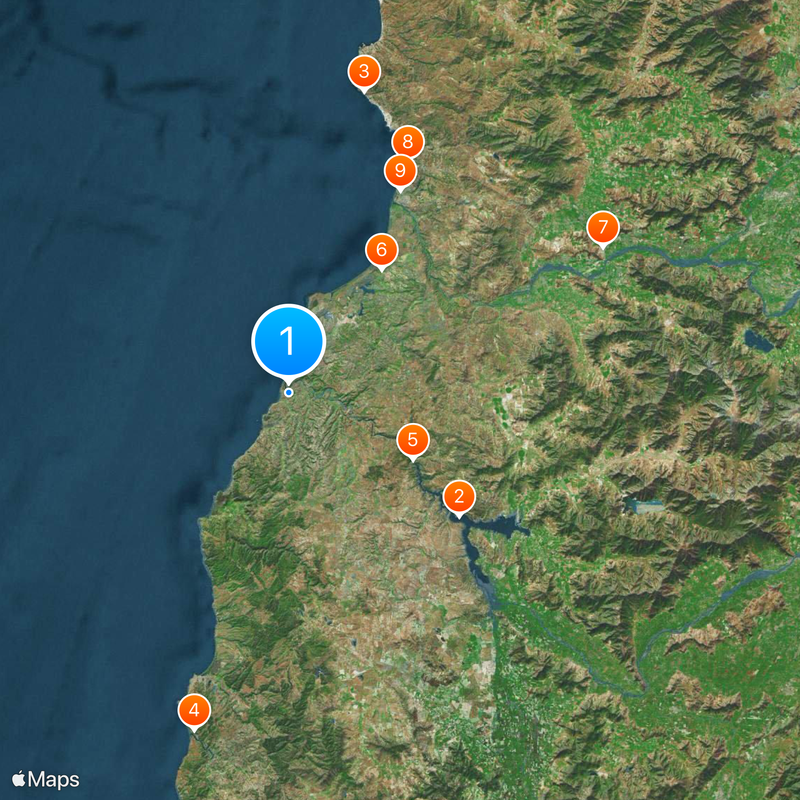
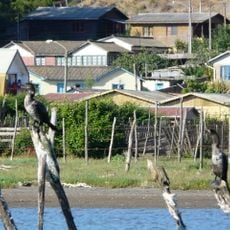
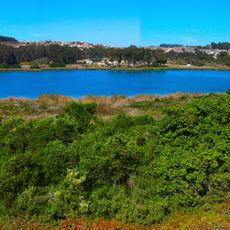
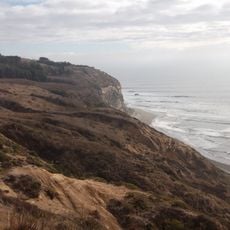
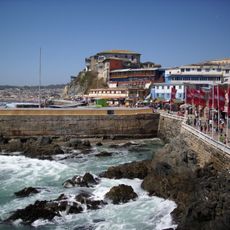
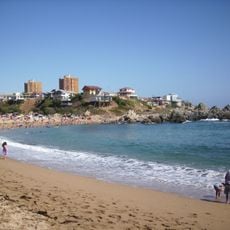
Navidad is a coastal commune stretching along roughly 20 kilometers of Pacific coastline, with high plateaus, rolling terrain, and deep ravines across its landscape. The Rapel River flows through the region, shaping the natural geography.
The settlement took its name when Franciscan friars celebrated Christmas Eve in the area during the 16th century, with the event documented by Bishop Diego de Medellín in 1585. This early Spanish presence shaped the region's development as a coastal settlement.
The Trilla a Yegua Suelta festival shows how local farmers celebrate harvest time using horses to separate grain from chaff, a practice that remains part of community gatherings. This tradition reflects the region's connection to agricultural rhythms and rural life.
The area experiences a Mediterranean climate with distinct seasons and rainfall from April to October, while summers remain dry and sunny. The best time to visit is during the warmer months when weather conditions are most stable.
The Navidad Formation holds marine deposits from the late Miocene to early Pliocene, which Charles Darwin examined during his scientific journeys through the region. These ancient geological layers reveal the long history of the Pacific basin at this location.
The community of curious travelers
AroundUs brings together thousands of curated places, local tips, and hidden gems, enriched daily by 92,205 contributors worldwide.