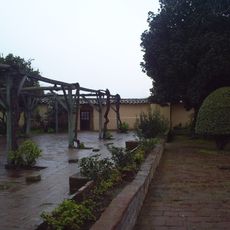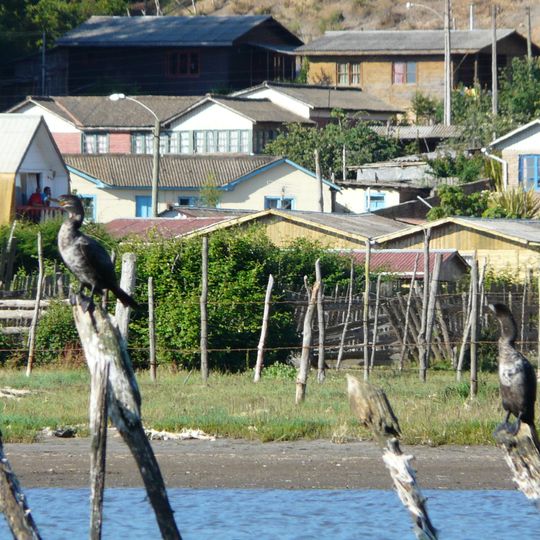
Cáhuil, Coastal village in Pichilemu, Chile.
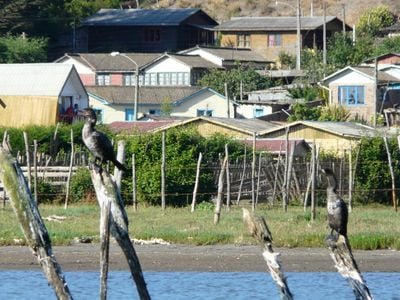
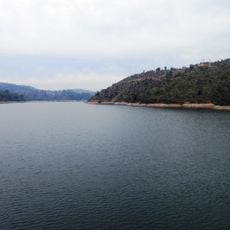
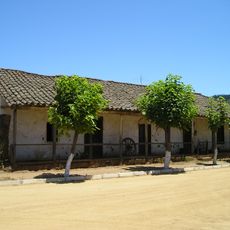
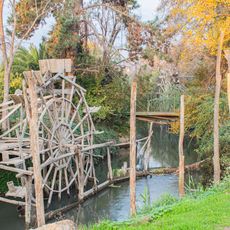
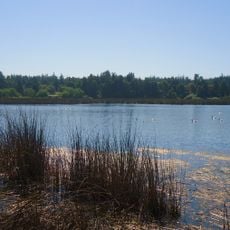
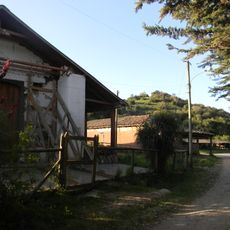
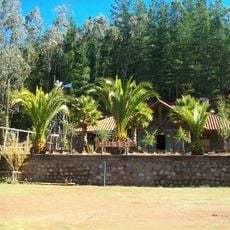
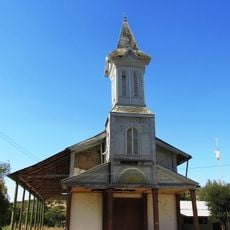
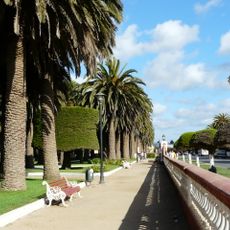
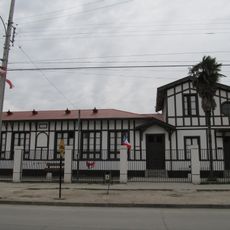
Cáhuil is a coastal settlement at the mouth of the Nilahue Estuary, about 15 kilometers south of Pichilemu, with salt production facilities spread along the waterfront. The landscape consists of shallow salt ponds and modest buildings that reflect the long tradition of salt harvesting in this area.
Indigenous communities developed salt extraction methods here that were passed down through generations and formed the basis of current practices. These traditional techniques have endured over time and continue to define the settlement today.
The name comes from Mapudungun language meaning seagulls, showing how the coastal wildlife shaped the way locals think about their home. You notice this connection in everyday life as birds fill the sky and shoreline.
A visit works best when you arrive early and allow time to walk around the salt ponds and facilities. The Salt Route connects different production sites and gives you chances to talk with local producers working on-site.
The salt harvesting follows natural tidal patterns: high tides flood shallow ponds with seawater, and as water recedes, minerals concentrate and are collected. This rhythm between the ocean and salt making shapes the entire production cycle.
The community of curious travelers
AroundUs brings together thousands of curated places, local tips, and hidden gems, enriched daily by 90,903 contributors worldwide.