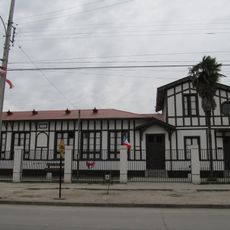
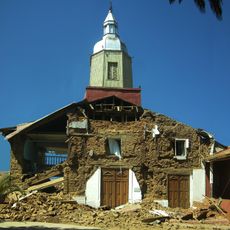
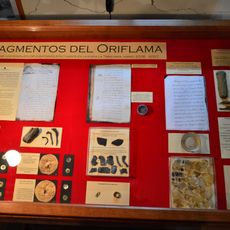
San Pedro de Alcántara, Chile, Historic church and cultural zone in Paredones, Chile.
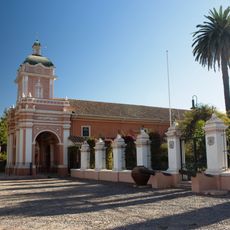
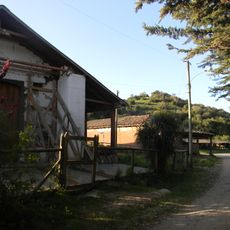
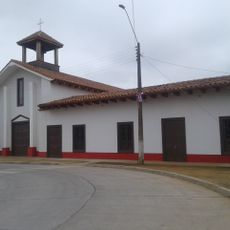
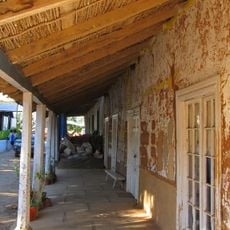
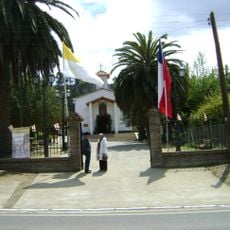
San Pedro de Alcántara is a village in the Paredones commune, O'Higgins Region, formed around the Franciscan convent of the same name. The convent church, completed in 1725, has a single nave lit by four windows on the south wall and a fifth lighting the high choir. A canvas with religious scenes hangs in a recess of the apse wall, replacing the former neoclassical main altar.
Fray Bernardo Ormeño arrived in 1691 at San Antonio de Quequén, today San Pedro de Alcántara, to found a hospice on land donated by Pedro González de Liébana and Francisca Muñoz de Gormaz. In 1722 Felipe V ratified the hospice and authorized its erection as a Franciscan convent under the name San Pedro de Alcántara. The church was completed in 1725, and a hamlet grew around it.
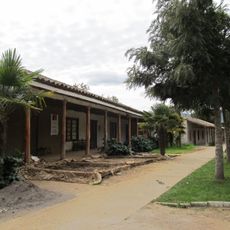
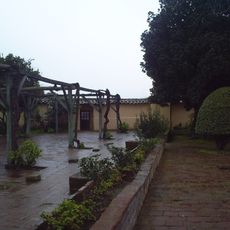
The church reflects how Spanish colonial traditions merged with local building practices and the skills of regional craftspeople. The interior and grounds show how rural communities organized their religious life and gathered for important celebrations.
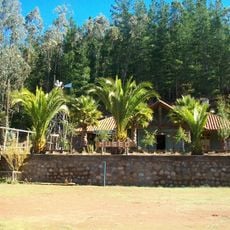
San Pedro de Alcántara lies 69 km south of Pichilemu in the O'Higgins Region, the first settlement of the Paredones commune. The Franciscan convent and its church stand at the village centre, with the Piedra del Sol, a surviving trace of the Inca road, a few kilometres away. The church interior has a single nave lit by four windows on the south wall and a fifth above the high choir.
The complex preserves original decorative elements from the colonial period, including religious sculptures and paintings that showcase period craftsmanship. These artworks were created by hand and reflect the skills that existed in this remote region over two centuries ago.
The community of curious travelers
AroundUs brings together thousands of curated places, local tips, and hidden gems, enriched daily by 93,653 contributors worldwide.