Quillota, Agricultural center in Valparaíso Region, Chile
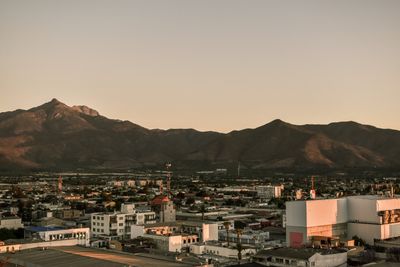
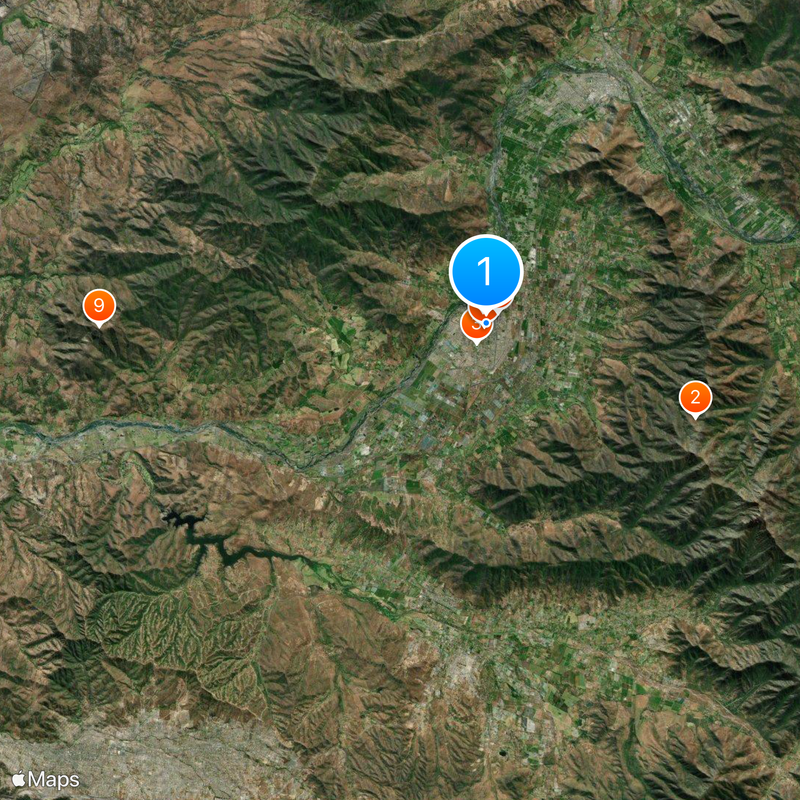
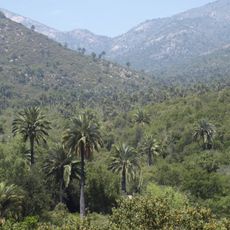
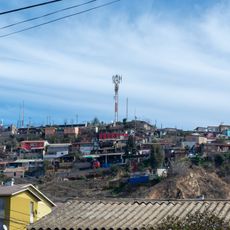
Quillota spreads along the Aconcagua River valley at about 462 meters elevation, situated on fertile soils supporting extensive fruit and agricultural production. The city functions as an agricultural center where farming activities shape the local economy and landscape.
Spanish explorer Diego de Almagro reached the valley in 1536, which led to the founding of a fortress and agricultural settlement by Pedro de Valdivia. These early foundations shaped its development as a center for regional farming.
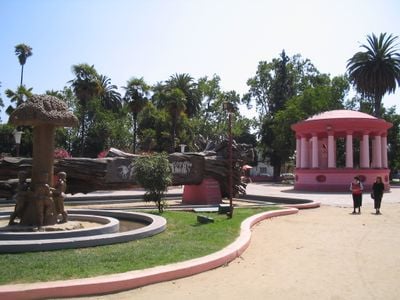
The main square displays its original colonial Spanish design organized in seven blocks, reflecting traditional urban planning methods from early Chilean settlements. This layout still defines the city center today and shows how Spanish settlers structured their towns.
The city connects to neighboring towns through a road network with regular bus services to Valparaíso, Santiago, and surrounding communities. Visitors can easily reach other destinations in the region using public transportation.
The region produces substantial quantities of avocados and cherimoyas, making it a central distribution hub for these fruits throughout Chile. This specialization has made the city an important stop for fruit trading and processing.
The community of curious travelers
AroundUs brings together thousands of curated places, local tips, and hidden gems, enriched daily by 90,790 contributors worldwide.