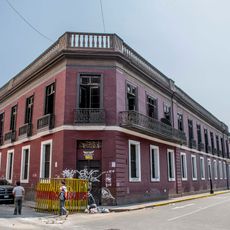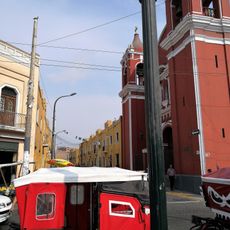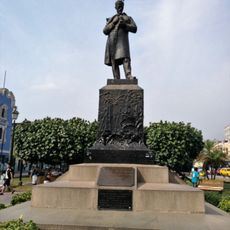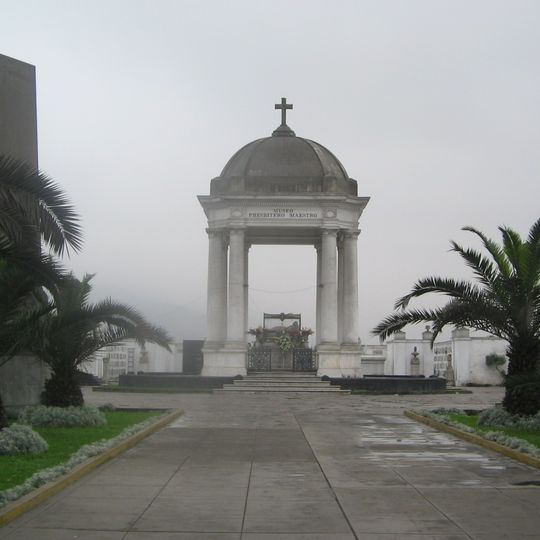
Presbítero Matias Maestro, Cemetery and museum in Barrios Altos, Lima, Peru
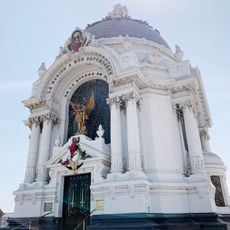
Presbítero Matías Maestro is a cemetery and museum in the Barrios Altos neighbourhood of Lima District, Peru. Its ordered avenues are lined with 766 mausoleums and 92 historical monuments of 19th- and 20th-century funerary architecture, among them the circular Cripta de los Héroes, over 30 metres high and crowned by a marble Gloria Victis. A neoclassical open canopy of pale stone bears the inscription "MUSEO PRESBITERO MAESTRO".
The cemetery opened in 1808 under viceroy Fernando de Abascal and introduced a new form of burial outside church walls. This reform followed contemporary hygiene regulations and fundamentally changed burial practices in Lima.
The name honors Matías Maestro, a Spanish architect and priest who shaped Lima during the early 1800s. The grounds display classical burial architecture with marble columns and angel figures blending European and Peruvian traditions.
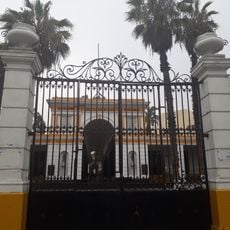
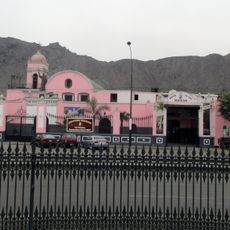
The cemetery lies in Barrios Altos, Lima District, and is entered from the street front; the layout follows symmetrical quarters and ordered avenues, so the Crypt of Heroes works as a landmark for orientation. The octagonal chapel designed for the grounds was later demolished, so it cannot be visited. The site is a museum-cemetery under the Sociedad de Beneficencia de Lima Metropolitana.
The grounds hold sculptures by Damià Campeny and Louis-Ernest Barrias, two European artists from the 1800s. A total of 766 mausoleums and 92 monuments from two centuries are spread throughout, documenting different eras of burial art.
The community of curious travelers
AroundUs brings together thousands of curated places, local tips, and hidden gems, enriched daily by 94,094 contributors worldwide.