Puná Island, Protected island in Gulf of Guayaquil, Ecuador
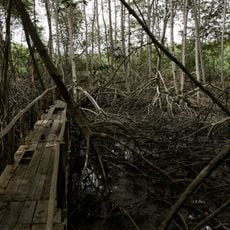
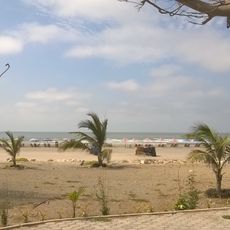
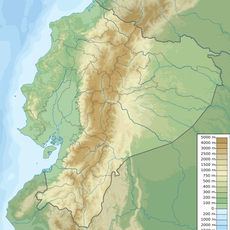
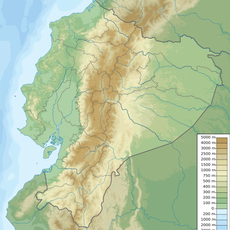
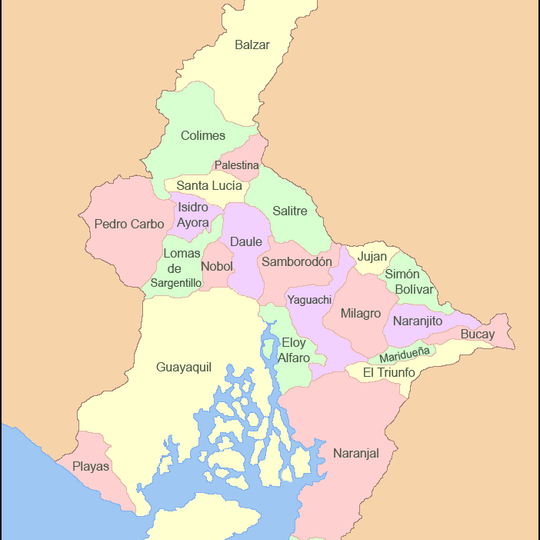
Puná Island is a protected island at the mouth of the Guayas River where the Gulf of Guayaquil meets several natural channels. The island contains several small villages and is characterized by mangrove forests and flat coastal terrain.
The island was historically a trading hub for shells and later became strategically important during early Spanish colonial activities. It played a significant role in 16th-century encounters between European and local populations in the region.
The island is home to fishing families who have lived by the sea for generations, passing down their skills to younger members. Throughout the settlements, boats and nets are part of daily life, showing how deeply connected people here are to the water.
Visitors need a boat from Guayaquil to reach the island, which takes some hours depending on departure point and destination. Accommodation is limited, so travelers should book stays in advance and expect basic facilities.
Residents from the northeastern settlements teach visitors traditional skills like climbing coconut trees and harvesting oysters. These practical abilities remain part of daily work and give travelers a rare chance to learn local techniques directly from people who rely on them.
The community of curious travelers
AroundUs brings together thousands of curated places, local tips, and hidden gems, enriched daily by 60,000 contributors worldwide.