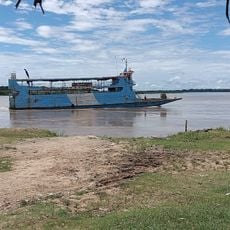
Pebas Formation, Geological formation in western Amazonia, Peru.
The Pebas Formation is a geological sequence in western Amazonia, Peru, made up of thick layers of siltstone and mudstone. These rocks formed over millions of years in a broad system of shallow water and wetlands that once covered much of the region.
The formation developed during the Miocene, when tropical conditions supported a shallow lake and swamp system across much of what is now the Amazon basin. Over time, the rise of the Andes changed the drainage of the region and brought that ancient system to an end.
Fossils found within the formation include animals that today live only in the ocean or in distant regions. This tells visitors that ancient Amazonian waterways were home to creatures that have no place in the modern river system.
Most outcrops of the formation are in remote parts of the Peruvian Amazon, so reaching them takes careful planning and local support. Scientific work at the site requires permits from Peruvian authorities, so it is worth contacting them well in advance.
Fossils of Pebanista yacuruna, an extinct river dolphin, were found within the formation, and this animal was larger than any river dolphin alive today. Its presence suggests that the waterways of western Amazonia were once connected to marine environments in ways that no longer exist.
The community of curious travelers
AroundUs brings together thousands of curated places, local tips, and hidden gems, enriched daily by 60,000 contributors worldwide.