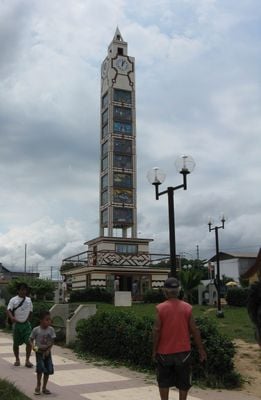
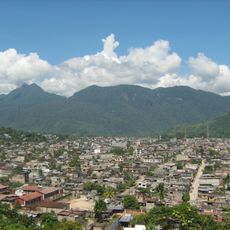
Fundación y colonización de Pucallpa, Colonial settlement site in Ucayali Region, Peru.
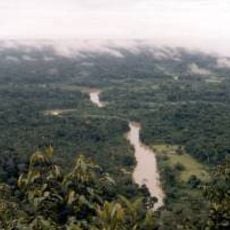
The founding and colonization of Pucallpa grew along the banks of the Ucayali River in the region's eastern area. The settlement expanded from its original street grid of 3 by 7 blocks to accommodate new arrivals and traders seeking opportunities.
Written records mention Pucallpa before the arrival of the men later called founders: in 1854 Father Fernando Pallares found eight Shipibo families and three children there, and an 1862 census counted 65 inhabitants. Eduardo Del Águila Tello, Agustín Cauper Videira and Antonio Maya de Brito arrived from 1883 onward during the rubber boom. In 1901 the first municipal council, led by mayor Pedro Pablo Gaviria Saldaña, gave Maya de Brito and Cauper Videira the title of founders.
The Shipibo-Konibo people called their territory May Yushin, meaning Land of Demons, reflecting their spiritual connection to the land before outsiders arrived. This name reveals how the indigenous community understood and related to their environment.
The area is best explored starting from the river, since the Ucayali served as the settlement's natural lifeline and historical transport route. The dry season offers the easiest access to riverside areas and their historical traces.
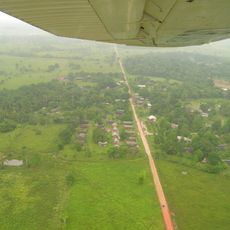
The name comes from Quechua words puca and allpa, meaning red earth, referring to the distinctive reddish clay soil found throughout the region. This soil color remains visible today and shapes the landscape's appearance.
The community of curious travelers
AroundUs brings together thousands of curated places, local tips, and hidden gems, enriched daily by 93,282 contributors worldwide.