Panguana, Research station in Huanuco, Peru
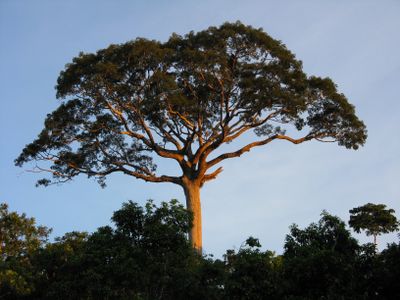
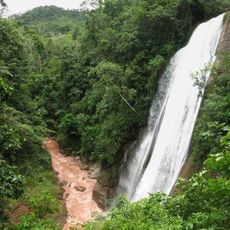
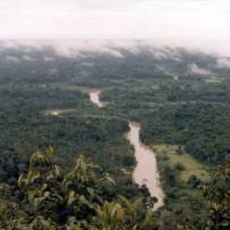
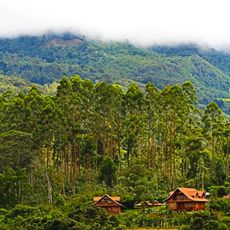
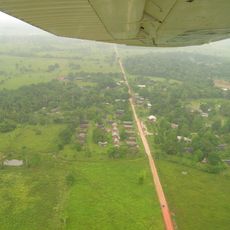
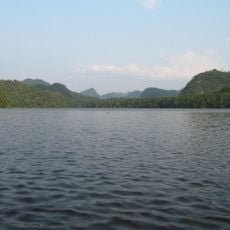
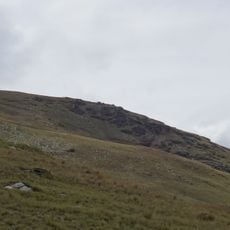
Panguana is a research station spread across primary tropical forest on the western slopes of the El Sira mountain range at low elevation. The location combines scientific facilities with intact rainforest, allowing direct observation of the natural environment.
The station was founded in 1968 by biologists Maria and Hans-Wilhelm Koepcke as Peru's first biological research facility. This beginning established the foundation for decades of scientific work exploring the rainforest ecosystem.
The station sits adjacent to lands inhabited by the Asháninka indigenous people, whose presence shapes the character of this forest region. Walking through the area gives a sense of how indigenous territories and scientific spaces coexist.
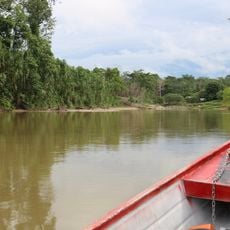
Getting there requires crossing a river at Yuyapichis village and continuing either on foot through farmland and forest or by boat. You should prepare for hot, humid conditions and remember that facilities are designed for research rather than tourism.
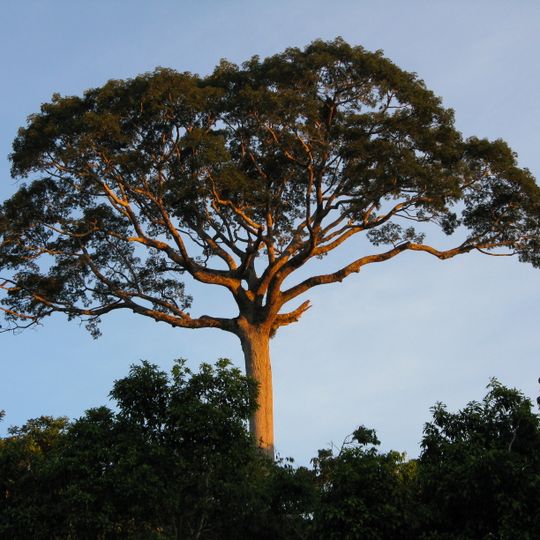
The site contains around 500 tree species and over 600 vertebrate species, making it globally significant for biological diversity. This species richness has made it a reference point for understanding tropical rainforest ecosystems.
The community of curious travelers
AroundUs brings together thousands of curated places, local tips, and hidden gems, enriched daily by 90,790 contributors worldwide.