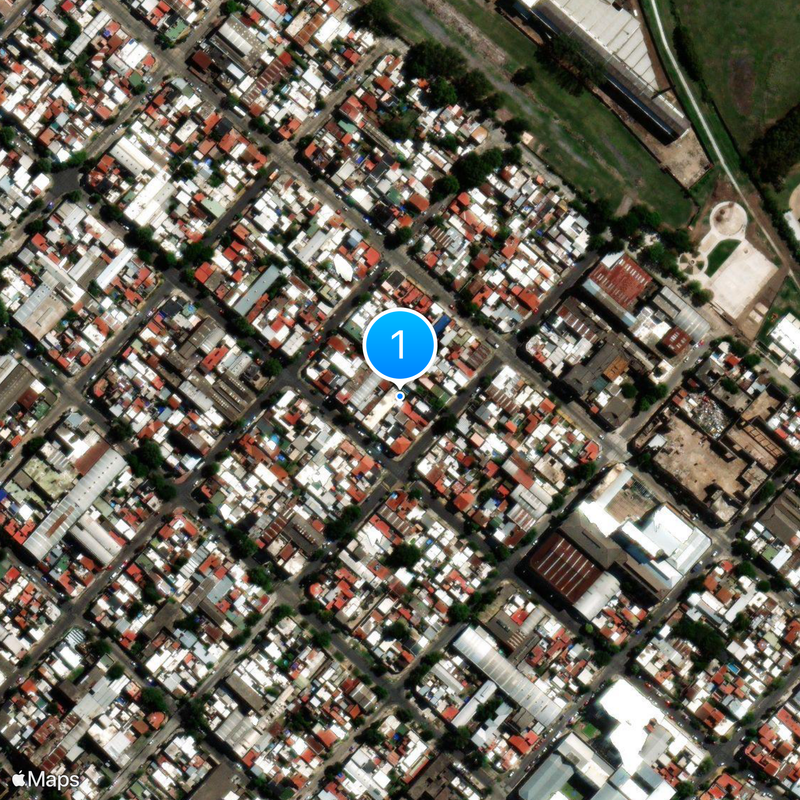
Viceroyalty of the Río de la Plata, Spanish colonial administration center in Buenos Aires, Argentina.
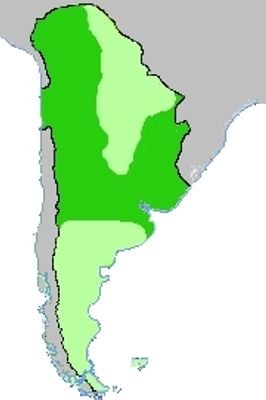
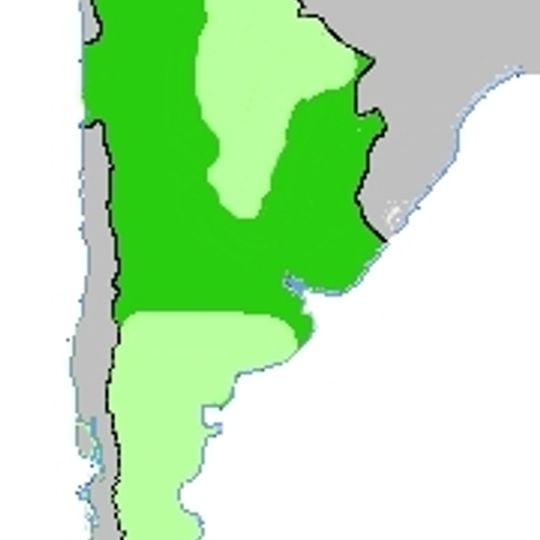
The Viceroyalty of the Río de la Plata was a Spanish colonial administrative unit with its capital in Buenos Aires, encompassing territories of present-day Argentina, Uruguay, Paraguay, and Bolivia. The administration coordinated trade, judicial matters, and military affairs across these territories through a network of regional authorities and governors.
King Charles III created this administrative unit in 1776 to strengthen military defenses against Portuguese expansion and consolidate control over South American territories. Just decades later, starting in 1810, revolutionary movements challenged Spanish authority and eventually led to the dissolution of colonial rule.
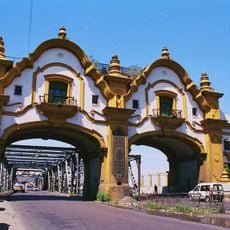
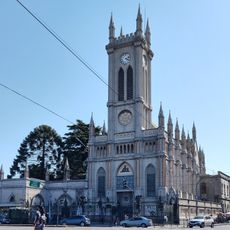
Visitors in Buenos Aires and other former administrative centers can trace this era through public buildings, plazas, and religious architecture that reflect late colonial planning. Local communities continue to celebrate traditional festivals and social customs rooted in the late colonial period, blending Spanish and regional traditions that remain visible in daily life.
Travelers interested in this period can visit museums, archives, and historic sites in Buenos Aires that display documents, maps, and artifacts from the era. The historic center of the city offers preserved buildings from the late colonial period where visitors can sense the administrative life of that time.
This administrative structure lasted only 34 years, making it the shortest Spanish colonial unit in South America before independence movements brought its end. Despite its brief existence, it shaped the economic and political development of the region and influenced the later national boundaries.
The community of curious travelers
AroundUs brings together thousands of curated places, local tips, and hidden gems, enriched daily by 90,799 contributors worldwide.