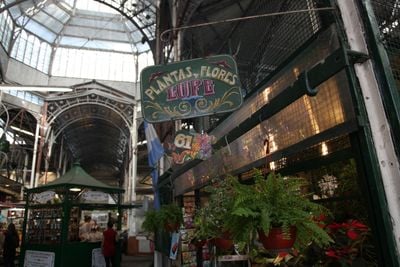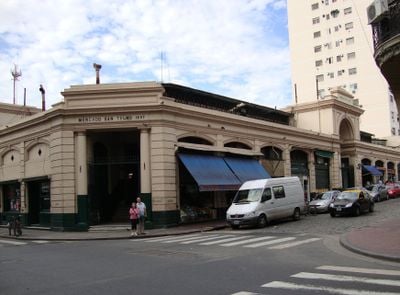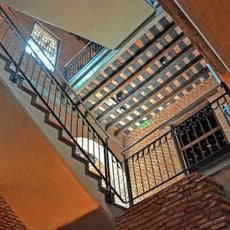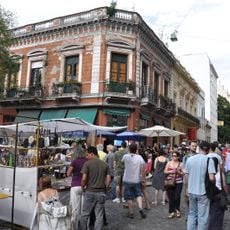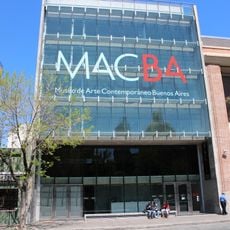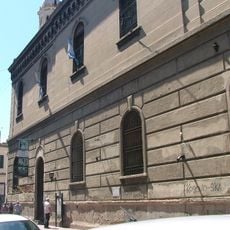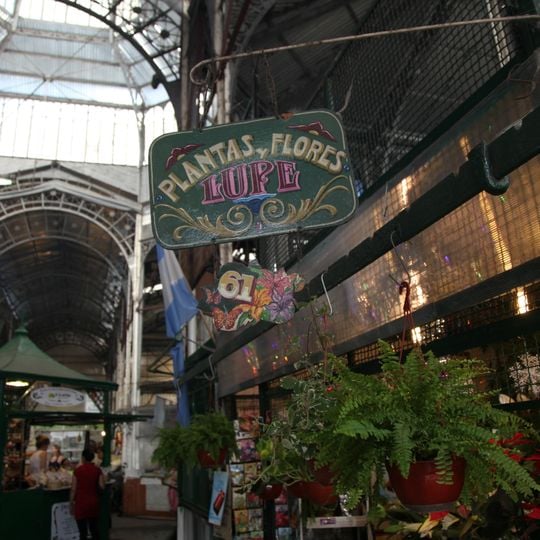
San Telmo market, 19th century covered market in San Telmo, Buenos Aires, Argentina.
San Telmo market is a covered marketplace in Buenos Aires that spans an entire city block under metal-supported ceilings. Inside, numerous stalls sell fresh food, antiques, and handcrafted items to shoppers moving through the aisles.
The market opened in 1897 to serve European immigrants settling in Buenos Aires. It features Italianate architectural details that were popular during that period.
The market draws visitors searching for handmade goods and regional products offered by local craftspeople who work here. The stalls reflect tastes and shopping habits that Buenos Aires residents have developed over generations.
The building is open daily and best visited in early morning when the stalls first open and crowds are lighter. Weekend hours tend to be longer, so visiting on either day offers different shopping experiences.
Inside sits Coffee Town, a traditional coffee stand that roasts beans on-site and serves them in vintage porcelain cups. This artisanal touch makes the spot worth seeking out for those who value old-world coffee craftsmanship.
Location: Buenos Aires
Inception: 1897
Official opening: 1897
Architectural style: Italianate architecture
GPS coordinates: -34.61953,-58.37283
Latest update: December 6, 2025 17:40
Buenos Aires reveals a patrimonial wealth that goes beyond the usual circuits. This collection gathers places that tell the story of the Argentine capital through its architecture, green spaces, and cultural institutions. From the XVIIIth-century tunnel network of El Zanjón de Granados to the 22 stories of Palacio Barolo, these sites reflect the city's urban evolution. The itinerary includes diverse sites such as Palermo's Japanese Garden with its ponds and pavilions, the Museo de Arte Español Enrique Larreta showcasing works from the Middle Ages to the 20th century, and the moving Floralis Genérica sculpture whose petals open at sunrise. Neighborhoods like San Telmo, Barracas, and Colegiales offer architectural discoveries such as 19th-century passages, facades decorated with mosaics on Calle Lanín, and the Mercado de las Pulgas filled with Argentine antiques. These locations allow exploring Buenos Aires beyond postcards and observe how the city has preserved its history while growing. Each site provides a different perspective on porteña culture, from Carlos Gardel’s tango to European and Asian influences shaping the city’s identity.
Plaza Dorrego
137 m
La casa mínima
345 m
Iglesia de Nuestra Señora de Belén, Buenos Aires
261 m
Buenos Aires Museum of Modern Art
331 m
The House of the Ezeiza
238 m
El Club Atlético
525 m
Museo de Arte Contemporáneo de Buenos Aires
367 m
Bar El Federal
121 m
Argentine Penitentiary Museum Antonio Ballvé
229 m
Galeria del Asombro
404 m
Centro Nacional de la Música
530 m
Antigua Tasca de Cuchilleros
223 m
Argentine Puppet Museum
430 m
Casa Colectiva América
439 m
Museo Nacional de la Historia del Traje
579 m
Casa de Esteban de Luca
129 m
Casa Colectiva Bernardino Rivadavia
323 m
San Telmo's basement
369 m
National Center of Music and Dance
520 m
Casa de Moneda building, Monserrat
515 m
Mafalda statue
412 m
El Zanjón de Granados
330 m
Bar Seddon
411 m
Café La Poesía
379 m
Casa Bolivar
439 m
Bar Plaza Dorrego
182 m
Antigua Casa de la Moneda
502 m
Bar Sur
292 mReviews
Visited this place? Tap the stars to rate it and share your experience / photos with the community! Try now! You can cancel it anytime.
Discover hidden gems everywhere you go!
From secret cafés to breathtaking viewpoints, skip the crowded tourist spots and find places that match your style. Our app makes it easy with voice search, smart filtering, route optimization, and insider tips from travelers worldwide. Download now for the complete mobile experience.
A unique approach to discovering new places❞
— Le Figaro
All the places worth exploring❞
— France Info
A tailor-made excursion in just a few clicks❞
— 20 Minutes