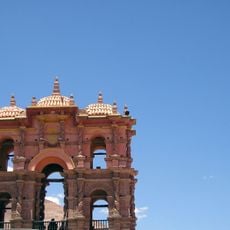
Potosí, Colonial mining city in southern Bolivia
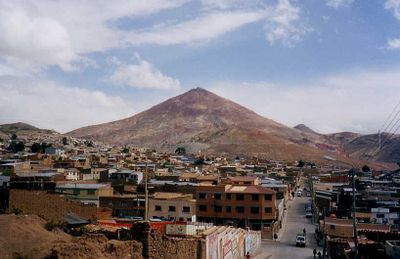
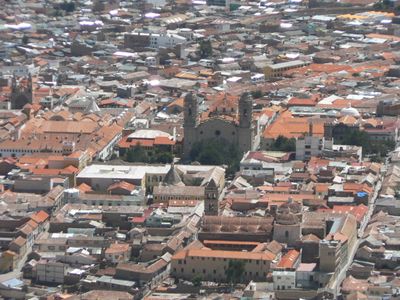
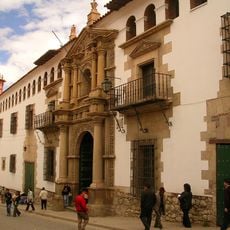
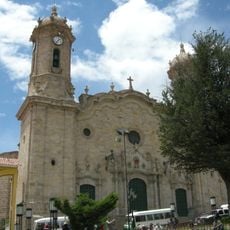
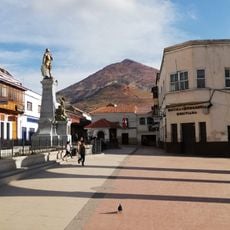
Potosí is a city in southern Bolivia located at an elevation of 4090 meters in the highlands spreading at the foot of the cone-shaped mountain Cerro Rico. Narrow cobblestone streets lead from the central square with its colonial buildings into residential neighborhoods where low houses with tile roofs stand on steep slopes.
After silver deposits were discovered in 1545 the settlement grew rapidly into one of the largest centers in the New World reaching more than 200000 inhabitants by the late 16th century. Labor in the mines caused the death of tens of thousands of indigenous and African workers over several centuries.
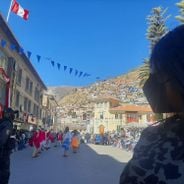
During local festivals and processions groups gather in the center of town where dancers in colorful costumes move through the narrow streets. The name comes from the indigenous word for thunder or explosion referring to the sound heard when silver veins were discovered.
Visitors should plan several days for acclimatization due to the high altitude to avoid altitude sickness before undertaking any strenuous activities. Warm clothing is recommended as temperatures can drop significantly especially at night even during summer months.
During the peak of silver production in the 16th and 17th centuries Cerro Rico supplied about 60 percent of the world's silver financing the wealth of many European royal houses. Thousands of tunnels still run through the mountain today and some of them can be visited through guided tours.
The community of curious travelers
AroundUs brings together thousands of curated places, local tips, and hidden gems, enriched daily by 90,848 contributors worldwide.