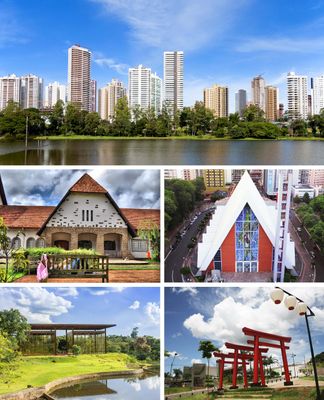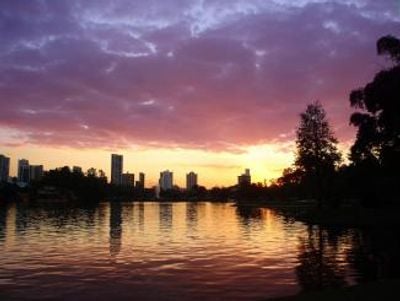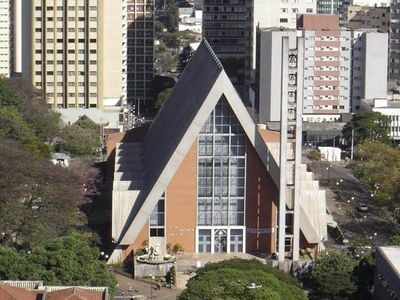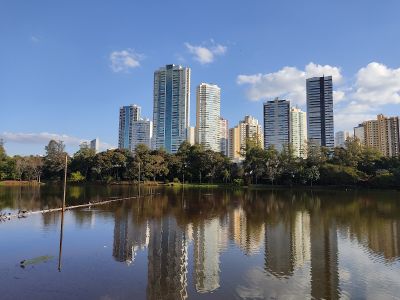
Londrina, Commercial center in Paraná, Brazil
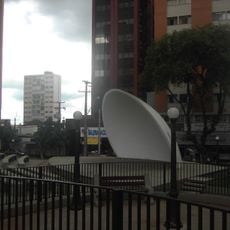
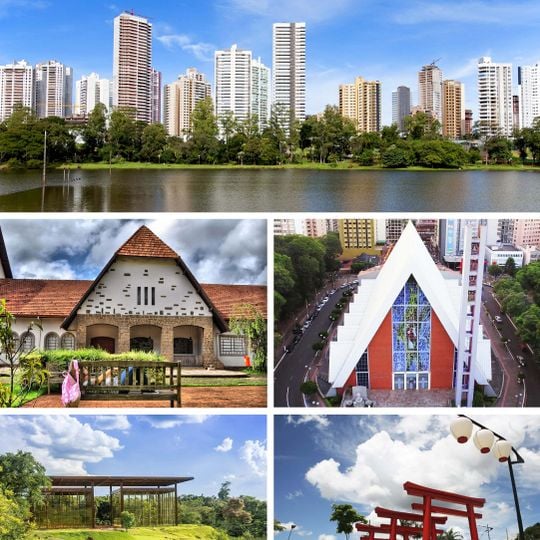
Londrina is a large city in the northern part of the state of Paraná, Brazil, set on a plateau known for its red-colored soil. The city is organized around a central downtown area with wide avenues, parks, and green zones spread between residential and commercial neighborhoods.
In 1929, the British Paraná Plantations Company launched a planned colonization project focused on coffee farming in this part of Paraná, giving rise to the first settlement. The town grew rapidly over the following decades and became one of the main trading centers in the northern part of the state.
The name Londrina means "little London" in English, a direct reference to the British founders of the settlement. Visitors can still notice the influence of that planned origin in the wide avenues and the grid-like layout of the city center.
The city has an airport with regular flights to major Brazilian cities, making it easy to reach from other parts of the country. The downtown area is compact and easy to get around on foot or by taxi, with most hotels and restaurants concentrated there.
The red soil that gives the land around the city its color comes from a high iron oxide content in the basalt-based ground, a detail that first-time visitors often find surprising. This same soil type was one of the reasons the area was chosen for coffee farming, as it is considered especially fertile for that crop.
The community of curious travelers
AroundUs brings together thousands of curated places, local tips, and hidden gems, enriched daily by 91,259 contributors worldwide.