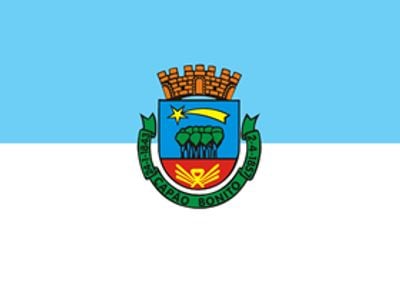
Capão Bonito, Rural municipality in São Paulo state, Brazil.
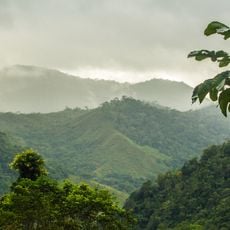
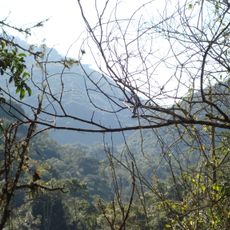
Capão Bonito is a rural administrative area in São Paulo spread across hilly terrain at elevations around 705 meters. The landscape is dominated by farmland and traditional agricultural land use throughout the region.
The territory began as a settlement in the 19th century and officially became a municipality in 1948. This formalization recognized an already existing rural community.
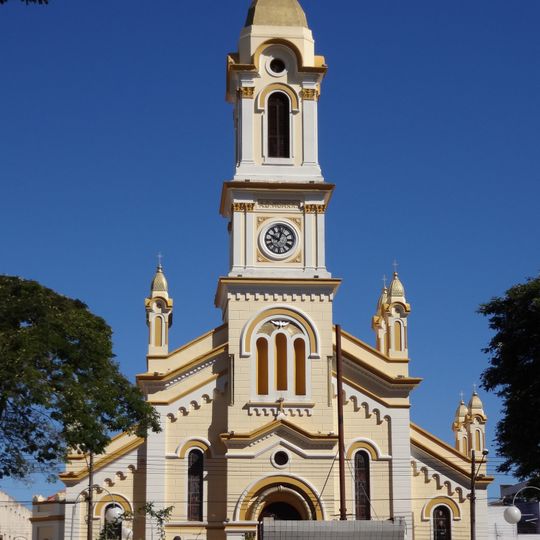
Italian and Japanese immigrants shaped farming practices and community traditions that remain visible in daily life today. Their influence appears in how crops are grown and in local customs that people still follow.
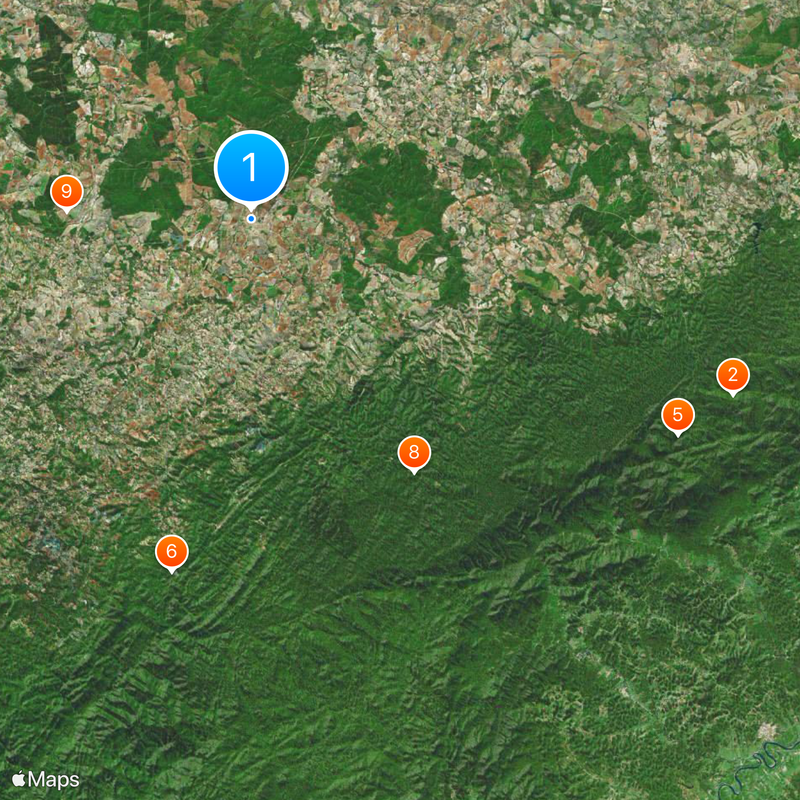
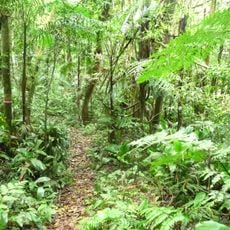
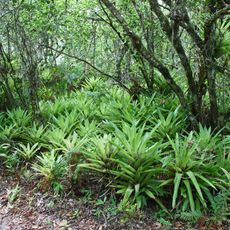
The area sits within a region containing several protected nature reserves accessible to visitors. The best time to explore is during drier months when paths and roads are in better condition.
The territory contains sections of three major protected environmental areas, including a state park and a spring protection zone. This overlap makes the region ecologically valuable in ways that distinguish it from typical farmland.
The community of curious travelers
AroundUs brings together thousands of curated places, local tips, and hidden gems, enriched daily by 92,717 contributors worldwide.