Boiçucanga, Coastal beach in São Sebastião, Brazil
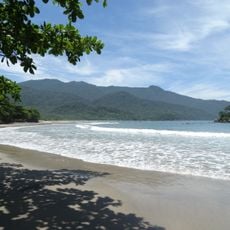
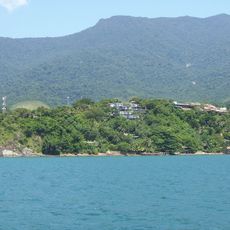
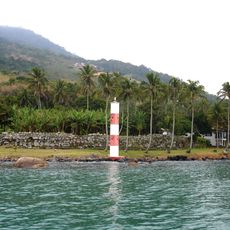
Boiçucanga is a horseshoe-shaped beach in São Sebastião, between Maresias and Camburi. Its thick, yellowish sand meets calm water; the Boiçucanga River flows into the sea at the left end, where fishing boats moor, while the right end opens onto the sea and the islands Montão de Trigo, dos Gatos and das Couves.
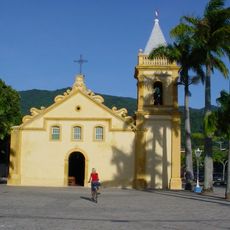
Boiçucanga was a small caiçara village reachable only with difficulty until the BR-101 highway was built. The road turned it into one of São Sebastião's most developed beaches, with a commercial centre, campsites, inns, hotels, restaurants, a supermarket, a shopping centre, an emergency clinic and a notary's office. The 2010 census counted 6,387 residents in the neighbourhood.
The name comes from Tupi: mboîa (snake), usu (large) and kanga (skeleton), giving "skeleton of a large snake"; another reading is "snake with a large head", after the mountain formation at the beach's left corner. At the mouth of the Boiçucanga River, boats, mostly of fishermen, still dock and keep the local fishing tradition.
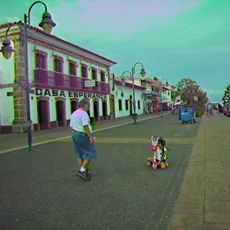
Rua Nova Boiçucanga serves as the main street with shops, restaurants, and services that make it easy to find what you need. The area is fairly accessible and offers enough infrastructure for a comfortable day trip or longer stay.
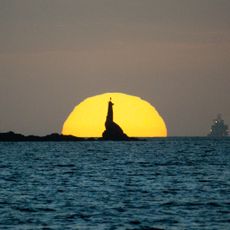
Boiçucanga is one of the few Brazilian beaches where the sun sets over the sea; the view from the right end of the beach takes in the islands of Montão de Trigo, dos Gatos and das Couves. From the beach, trails lead through Atlantic Forest to Praia Brava and waterfalls such as the Ribeirão do Itu, and the beach has become a favoured spot for paragliding.
The community of curious travelers
AroundUs brings together thousands of curated places, local tips, and hidden gems, enriched daily by 94,307 contributors worldwide.