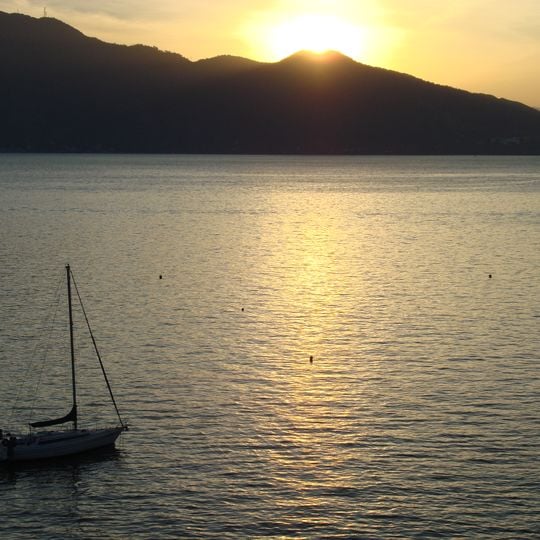
Ilhabela, Archipelago destination in São Paulo state, Brazil
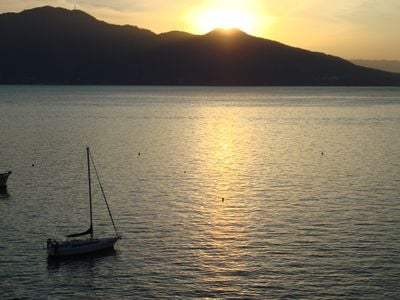
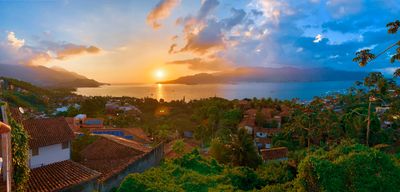
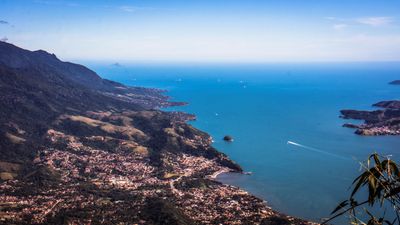
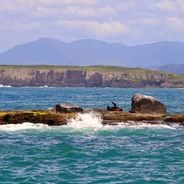
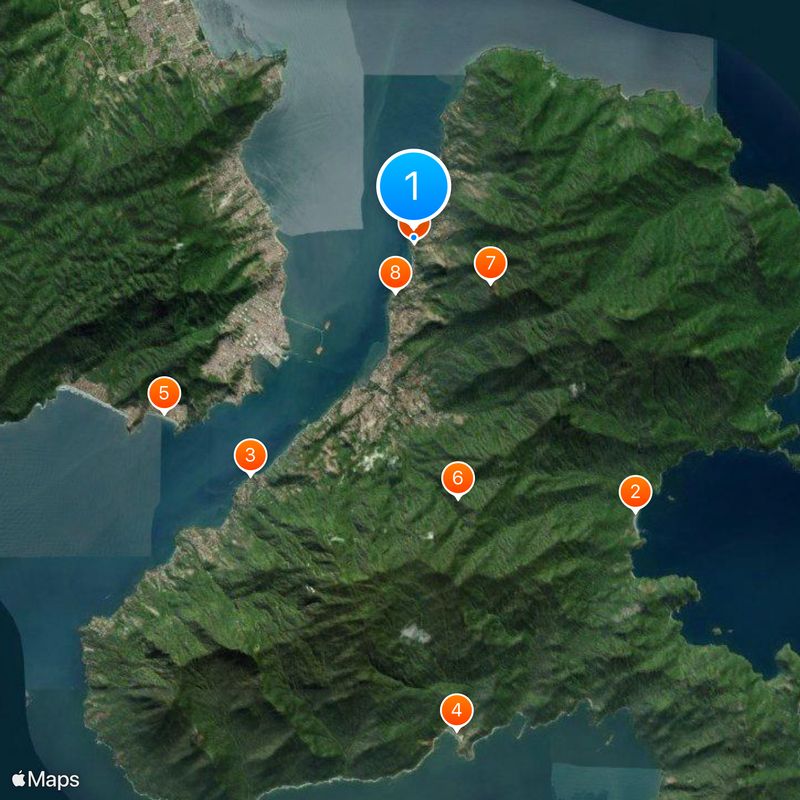
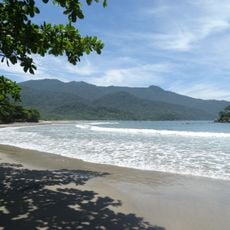
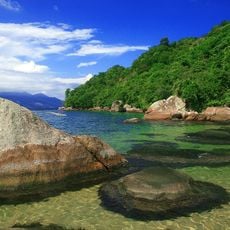
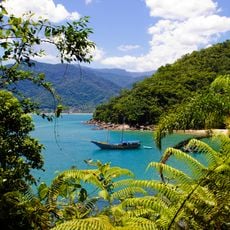
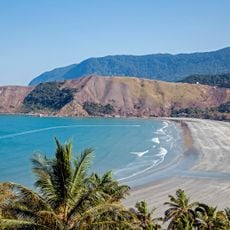
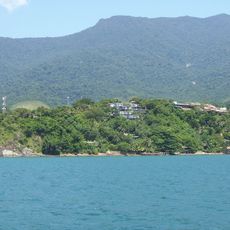
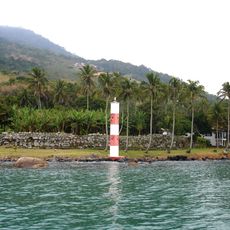
Ilhabela is an archipelago off the coast of São Paulo state, made up of several islands with São Sebastião as the main inhabited landmass. The islands sit about 6 kilometers from the mainland and are covered in dense Atlantic rainforest that runs down steep slopes and valleys to sandy beaches.
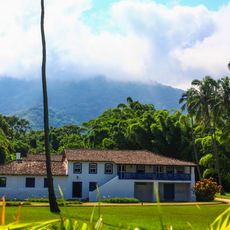
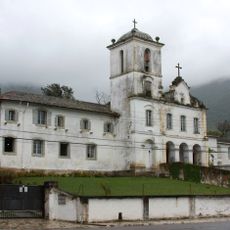
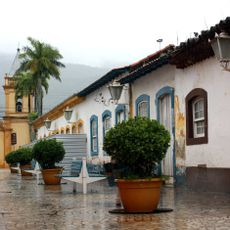
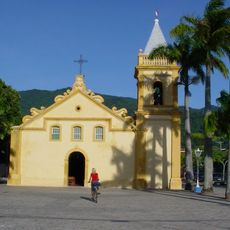
An expedition led by Amerigo Vespucci reached the archipelago on January 20, 1502, naming the main island after Saint Sebastian. Over the centuries, the island evolved from a sugarcane plantation area to a fishing village and later into a tourism destination.
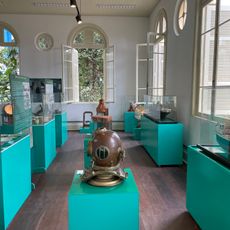
Indigenous sambaqui communities inhabited these islands for over 2000 years, leaving traces of their presence through shell collections and ceramic artifacts.
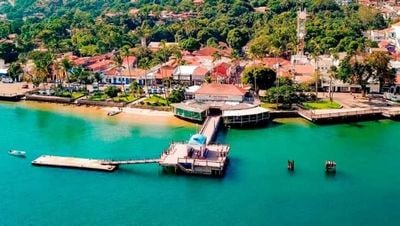
A ferry connects the mainland in São Sebastião with the island, running regularly throughout the day with crossings taking about 15 minutes. Most beaches and waterfalls are located along unpaved roads or hiking trails, so sturdy footwear is useful for exploring away from the main towns.
The archipelago holds around 360 waterfalls scattered across its territory, which flow more strongly during rainy days. Many of these waterfalls are only reachable on foot through the rainforest and form natural pools at the base of the rocks.
The community of curious travelers
AroundUs brings together thousands of curated places, local tips, and hidden gems, enriched daily by 91,144 contributors worldwide.