Monument to the Independence of Brazil, Granite and bronze monument at Independence Park, São Paulo, Brazil.
The Monumento à Independência do Brasil is a granite and bronze monument at Parque da Independência in São Paulo. The structure extends across multiple levels with staircases and terraces leading to a central platform featuring allegorical sculptures, while the facade displays reliefs depicting scenes from Brazilian history.
The monument was designed by Italian architect Manfredo Manfredi and sculpted by Ettore Ximenes to mark the centennial of Brazilian independence. It was inaugurated in 1922 while still unfinished and completed four years later, in 1926. In 1952 a symbolic flame was inaugurated at the monument, and from 1953 the Imperial Crypt was built beneath it.
The monument is also called Altar da Pátria (Altar of the Fatherland) and Monumento do Ipiranga, after the brook beside it. Its central bronze panel, Independência ou Morte, reworks Pedro Américo's painting of the 7 September 1822 proclamation. The side groups depict the Inconfidência Mineira of 1789 and the Pernambucan Revolutionaries of 1817.
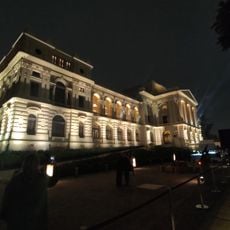
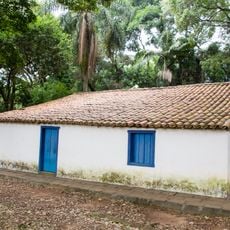
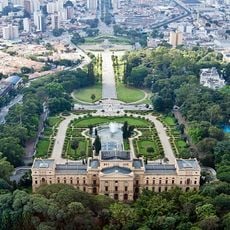
The Imperial Crypt and Chapel beneath the monument can be entered from inside the structure; access was only arranged in 2000 by the Department of Historical Heritage. The monument stands in the open air within Independence Park, beside the Ipiranga Brook, near the 1890 building that now houses the Museu do Ipiranga and the Casa do Grito.
The crypt beneath the monument preserves the remains of Emperor Pedro I and his two wives Maria Leopoldina of Austria and Amélie of Leuchtenberg in three separate sarcophagi. This chamber is accessible to visitors and serves as the final resting place for the imperial family, brought back to Brazil after the proclamation of the republic.
The community of curious travelers
AroundUs brings together thousands of curated places, local tips, and hidden gems, enriched daily by 94,040 contributors worldwide.