Museum of Zoology of the University of São Paulo, Natural history museum in Ipiranga district, São Paulo, Brazil
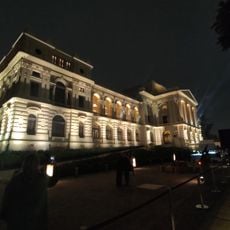
The Museum of Zoology of the University of São Paulo occupies a building constructed in 1941 as a dedicated natural history museum, behind the Museu do Ipiranga in the Ipiranga district. Its galleries hold taxidermied animals, fossils and fossil replicas, under stained-glass windows and plaster decorations with zoological motifs. Since reopening in 2015 after renovation, the exhibits follow the theme "Biodiversity: know to preserve", and an open laboratory lets visitors watch a simulation of the museum's backstage work.
The zoology collection began in the 1890s within the Museu Paulista, inaugurated in 1895 in the Ipiranga monument with natural history material gathered since 1870 by Colonel Joaquim Sertório. On 11 January 1939 the state's Secretariat of Agriculture created a Department of Zoology, and a dedicated building opened in 1941. In 1969 the building passed to the University of São Paulo and became the Museum of Zoology.
The building, purpose-built in 1941, has stained-glass windows and plaster decorations with zoological motifs. Since reopening in 2015 after renovation, the gallery has a new scenography and a laboratory open to the public where visitors can follow a simulation of the museum's behind-the-scenes work.
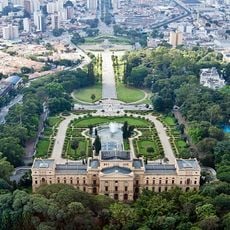
The museum stands behind the Museu do Ipiranga in Ipiranga, São Paulo. It closed for renovations in 2011 and reopened in 2015 with the exhibition "Biodiversidade: conhecer para preservar" and a laboratory open to the public that simulates the museum's backstage. Entry was temporarily free at the time of the sources.
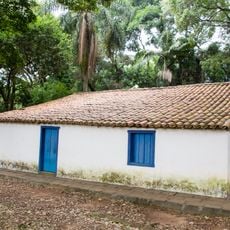
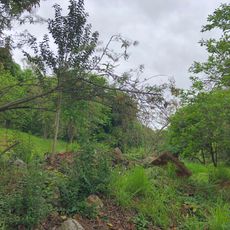
The museum operates a biological research station outside the city where scientists directly study wildlife in its natural Brazilian environment. This field station allows researchers to discover new species and gain deeper understanding of local ecosystems.
The community of curious travelers
AroundUs brings together thousands of curated places, local tips, and hidden gems, enriched daily by 92,867 contributors worldwide.