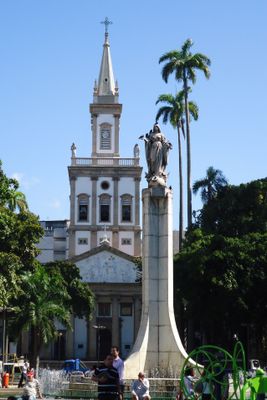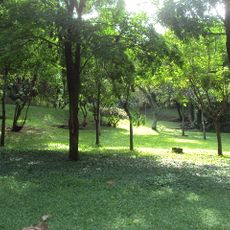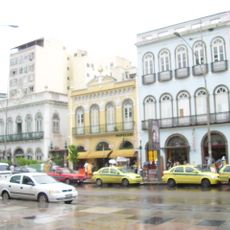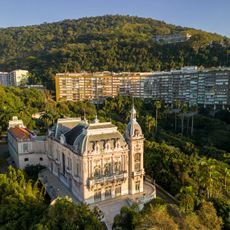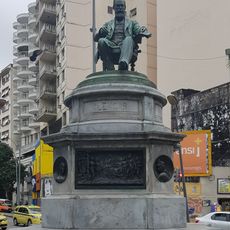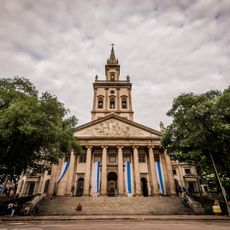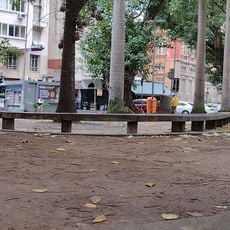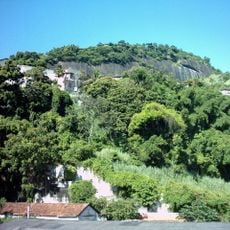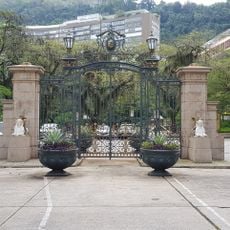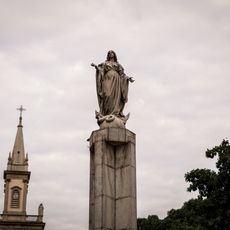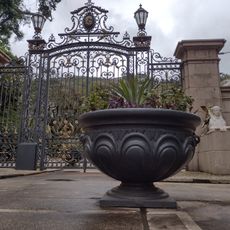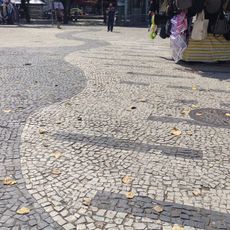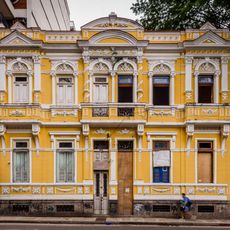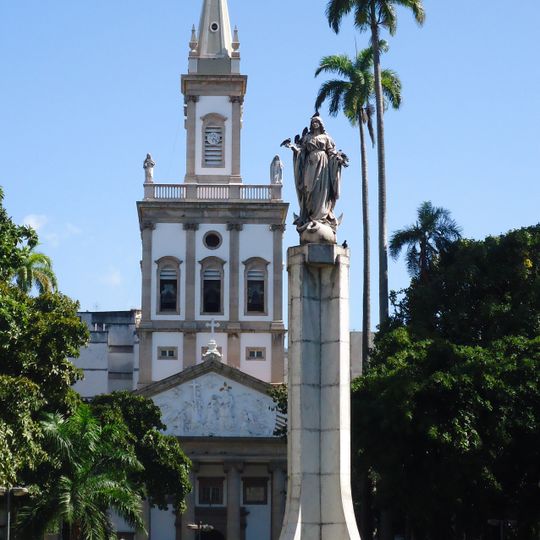
Catete, Middle-class district in South Zone, Rio de Janeiro, Brazil.
Catete is a middle-class neighborhood in Rio de Janeiro's South Zone with wide streets and active commercial areas along its main roads. The district houses a substantial population and features strong connections to the rest of the city through public transit.
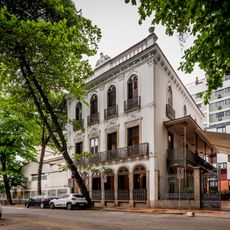
The neighborhood became important in 1897 when Catete Palace became the federal government's seat, a role it held until 1960. After the capital moved to Brasília, the area developed into a modern residential district with commercial centers.
The name comes from Tupi, the indigenous language, and reflects the area's origins before it became a neighborhood. The wide streets and established shops today show how this place transformed over generations.
Two metro stations, Catete and Largo do Machado, serve the neighborhood and connect it to Rio's broader transit network. The area is easy to navigate on foot, and both stations offer straightforward access to other parts of the city.
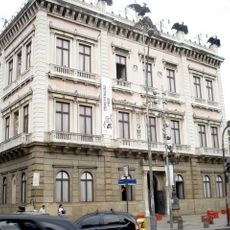
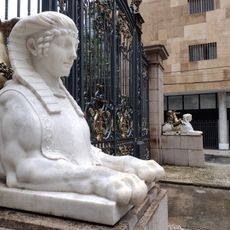
The Catete Palace, now home to the Republic Museum, holds an extensive collection of artifacts and documents related to Brazilian government and history. The building stands as a reminder of the neighborhood's importance when it served as the seat of national leadership.
The community of curious travelers
AroundUs brings together thousands of curated places, local tips, and hidden gems, enriched daily by 92,627 contributors worldwide.