Republic of the United States of Brazil, Historical period in Rio de Janeiro, Brazil.
The First Brazilian Republic was a political period that began in 1889 and established a federal structure with 20 states and a federal district. This system replaced the previous imperial monarchy and distributed government power across multiple regional centers rather than concentrating it in a single central authority.
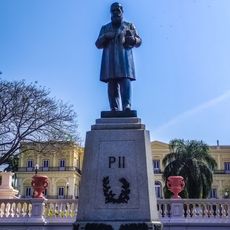
On November 15, 1889, military officers proclaimed the republic and removed Emperor Pedro II from power, marking the end of imperial rule. This shift fundamentally changed Brazil's political structure and began a new era of decentralized governance.
During this era, a system called coronelismo took shape where local leaders wielded power in their communities through personal networks and economic control. Walking through historic neighborhoods today, you can still see how these power structures shaped the layout and naming of streets and public spaces.
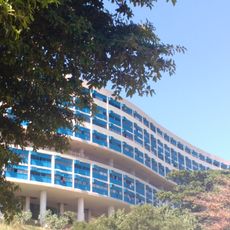
To explore this period, focus on museums and archives in Rio de Janeiro that hold documents, photographs, and objects from this era. You will gain the most insight by visiting historic neighborhoods like Lapa and Centro, where original buildings from the period still stand.
The 1891 Constitution granted individual states significant autonomy, transferring unprecedented power to local governments. This decentralization allowed São Paulo and Minas Gerais to become the most influential players in national politics through their control of coffee and dairy production.
The community of curious travelers
AroundUs brings together thousands of curated places, local tips, and hidden gems, enriched daily by 92,452 contributors worldwide.