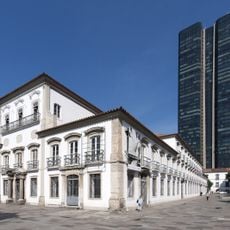
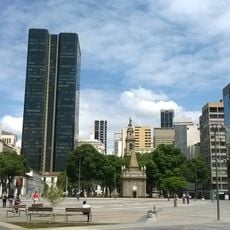
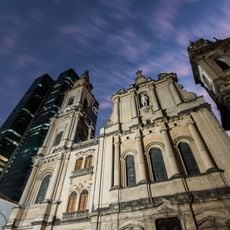
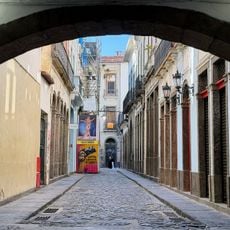
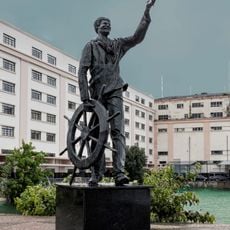
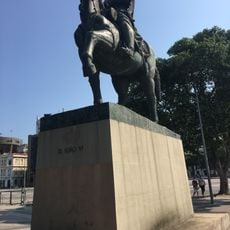
Rio de Janeiro Stock Exchange, Former stock exchange in Rio de Janeiro, Brazil
The Rio de Janeiro Stock Exchange (BVRJ) was Brazil's second-largest exchange after Bovespa and among the oldest, inaugurated on 14 July 1820, three years after the Salvador exchange. Its first headquarters handled exchange, goods, cattle, insurance and ship freights; in 1845 a seat opened on Rua Direita, downtown near the port. From 2000 it traded only government bonds, and in 2002 it was incorporated by BM&F.
The institution was founded in 1820 and remained Brazil's primary financial trading center until the market crash of the 1970s. This shift marked the beginning of São Paulo's dominance as the nation's financial powerhouse.
Brokers were called zangões, and until the Lei dos Entraves of 1860 enslaved gain-workers trained for the job traded on the Rio and Salvador floors. The exchange's own index, created with a 1962 methodology and revised by the IBV in 1967, tracked the market through the 1971 crash, when it fell 70% between June 1971 and August 1972.
The exchange no longer operates as a trading floor; equity trading moved to São Paulo in 2000 and the institution was incorporated by BM&F in 2002. Its former headquarters stood on Rua Direita in downtown Rio, near the port, a location chosen in 1845. The building can be viewed from the street, but no trading activity takes place there.
All privatization auctions of the 1990s were held here because BNDESPAR shares were deposited in the exchange's custody, which later became CBLC, Bovespa's clearing and custody company. Companies auctioned included Telesp, Vale do Rio Doce and Usiminas.
The community of curious travelers
AroundUs brings together thousands of curated places, local tips, and hidden gems, enriched daily by 92,817 contributors worldwide.