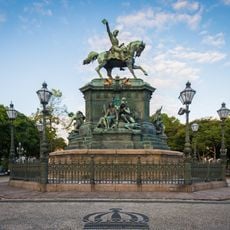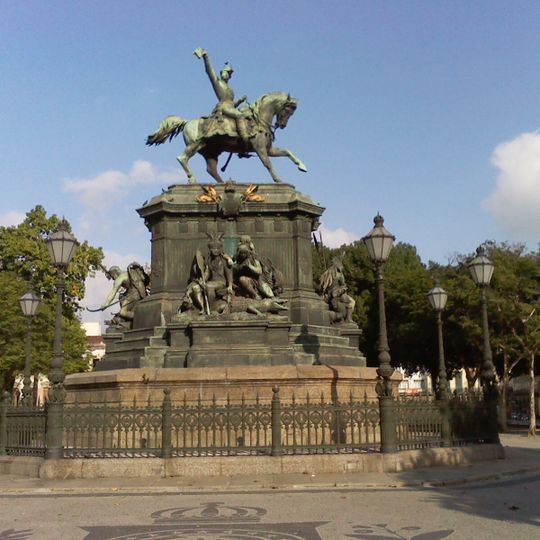
Equestrian statue of Dom Pedro I, Bronze monument in Tiradentes Square, Rio de Janeiro, Brazil
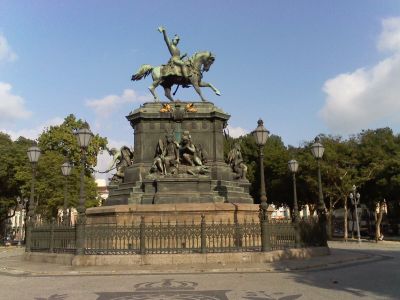
The equestrian statue of Dom Pedro I shows the emperor on horseback, raising the 1824 Constitutional Charter in one hand. The bronze figure stands 6 metres tall on a 6.40-metre bronze pedestal, itself set on a 3.30-metre base of Rio granite. Around the pedestal are allegories of four Brazilian rivers — the Amazon, Madeira, São Francisco and Paraná — carved as indigenous figures with local animals.
The Senate first proposed a monument in 1824, but the project was abandoned after Pedro I abdicated in 1831. In 1854 the municipal chamber revived it for the thirtieth anniversary of independence, and Pedro II approved. A competition held in 1855 selected João Maximiano Mafra's design, with Louis Rochet casting the bronze in Paris. Inauguration, set for March 25, 1862, was postponed to March 30 by heavy rain.
The monument's base displays indigenous people, native animals, and river representations that together symbolize Brazil's natural and cultural diversity. These symbols ground the emperor within the land he ruled and reflect how 19th-century leaders expressed their connection to the nation's geography and peoples.
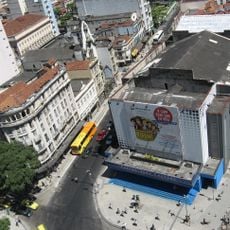
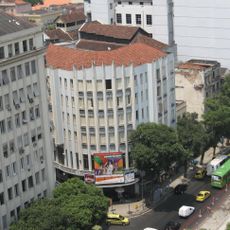
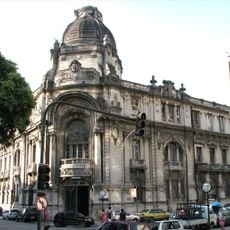
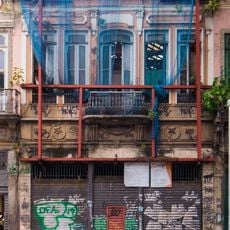
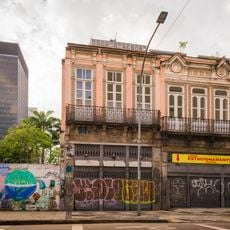
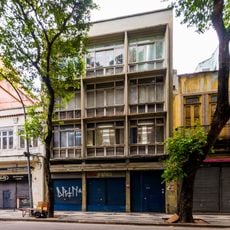
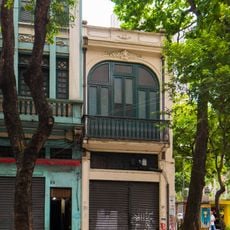
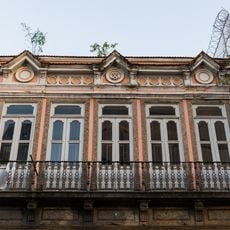
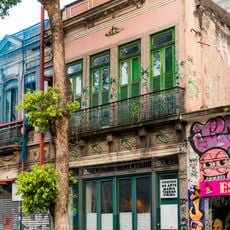
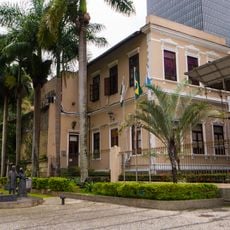
The statue is located at the intersection of Rua Visconde do Rio Branco in Centro and is easily reached by public transportation. The square is accessible at any time since it sits in public space surrounded by historic buildings and nearby shops.
The 1862 inauguration featured a public concert with 600 musicians conducted by Francisco Manuel da Silva, who played the Independence Anthem composed by Pedro I himself. The statue's granite base is 3.30 m tall, the bronze pedestal 6.40 m, and the bronze equestrian figure 6.00 m.
The community of curious travelers
AroundUs brings together thousands of curated places, local tips, and hidden gems, enriched daily by 94,369 contributors worldwide.