Xingu Indigenous Park, Indigenous territory in Mato Grosso, Brazil
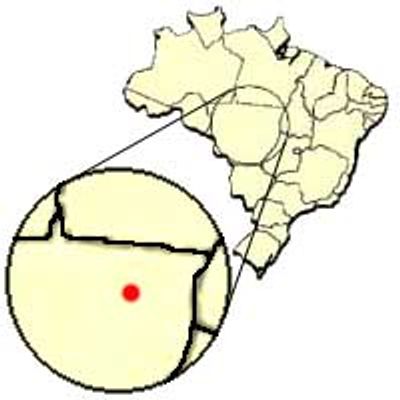
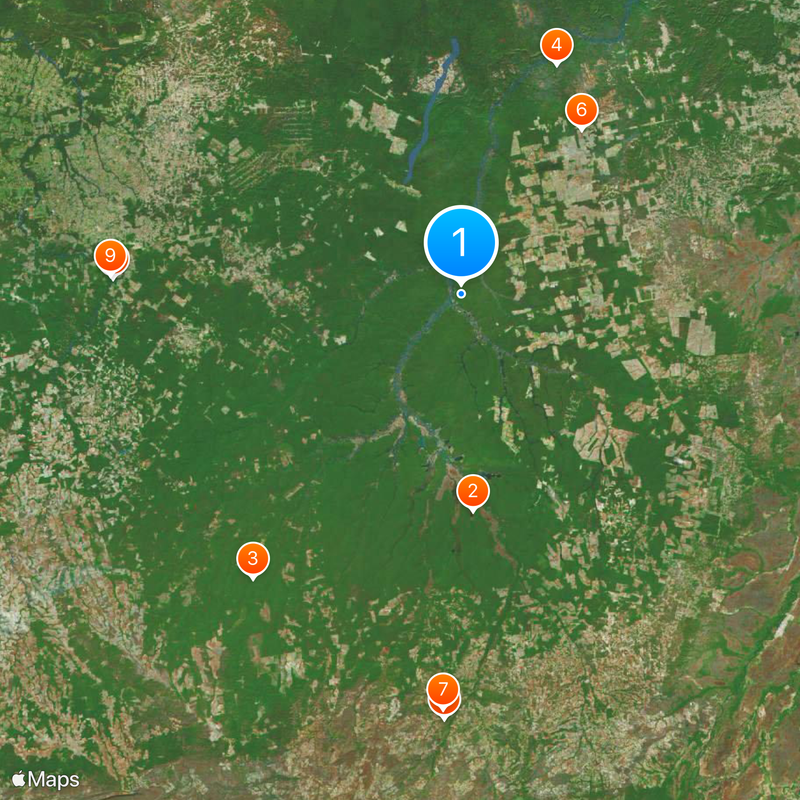
Xingu Indigenous Park is an indigenous territory in Mato Grosso, Brazil, covering 26,420 square kilometers (10,201 square miles) and containing more than 50 villages with roughly 7,000 inhabitants. The landscape shifts between open savannah in the southern part and dense rainforest in the north, crossed by rivers and smaller waterways that shape the life of communities.
The Villas-Bôas brothers began setting up the park in 1961, creating the first large protected area for indigenous inhabitants in Brazil. Formal recognition by the Brazilian government came in 1977, after years of negotiations between communities and authorities.
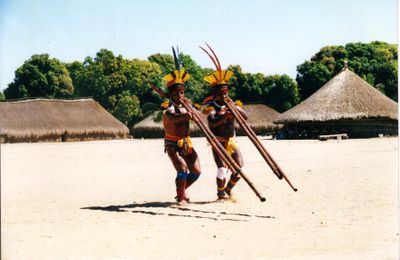
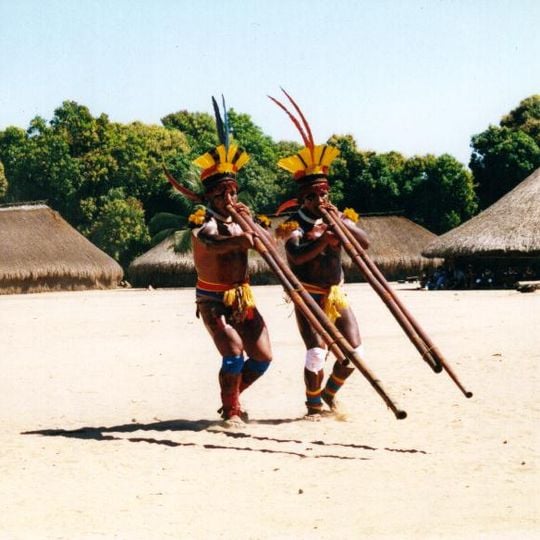
The name Xingu comes from a river that flows through the entire area, linking different villages together. Today, inhabitants regularly celebrate the Kuarup festival, where communities gather to honor their deceased and perform traditional dances.
Access is strictly regulated and requires prior authorization from indigenous communities as well as the Brazilian indigenous affairs agency. Visits typically happen between June and September, when paths are more passable and weather is drier.
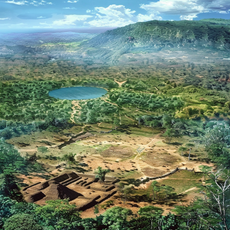
Archaeologists have found traces of ancient roads and fortified settlements from the period between 1200 and 1600, pointing to large pre-European societies in the Upper Xingu. These structures show that the region was already densely populated and organized before Europeans arrived.
The community of curious travelers
AroundUs brings together thousands of curated places, local tips, and hidden gems, enriched daily by 90,753 contributors worldwide.