São Cristóvão, Colonial port city in Sergipe, Brazil.
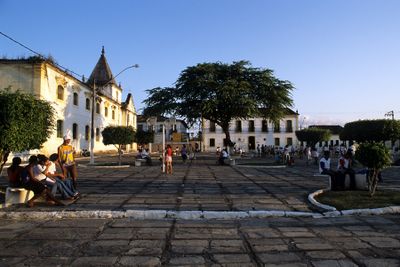
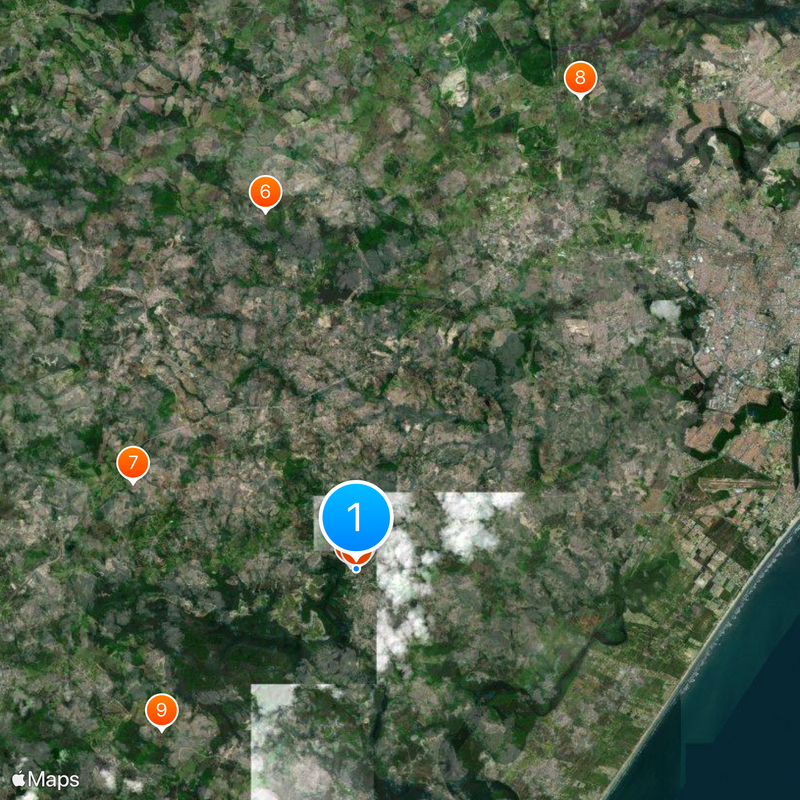
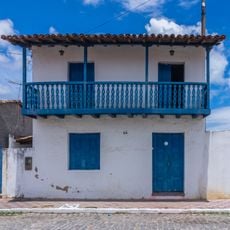
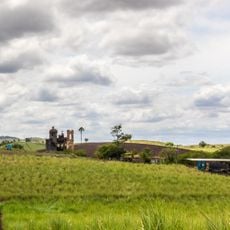
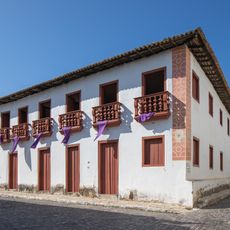
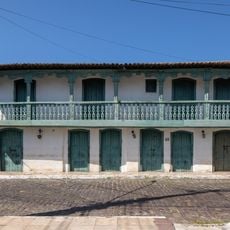
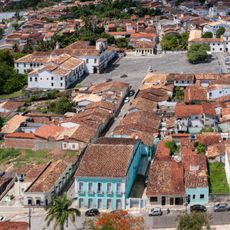
São Cristóvão is a port city along the Vasa Barris River in Sergipe with numerous colonial buildings and traditional architecture near the Atlantic coast of northeastern Brazil. The city is defined by old stone structures that have preserved their layout around central squares.
The municipality was founded in 1590 as the fourth settlement in Brazil and served as the capital of Sergipe state until 1855, when Aracaju took this role. The shift of the capital marked a turning point in the region's development.
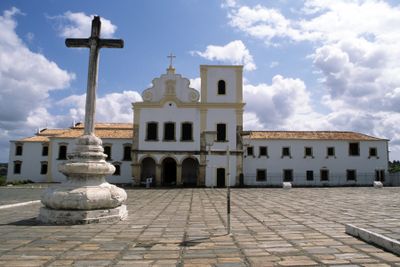
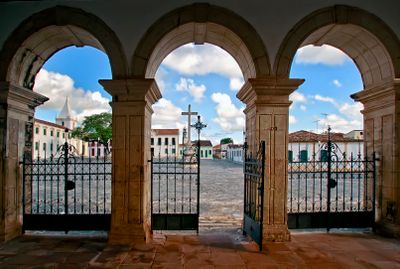
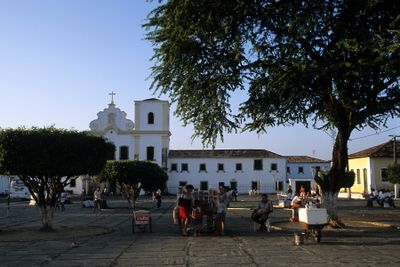
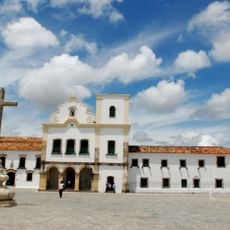
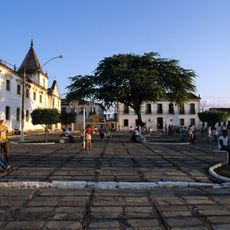
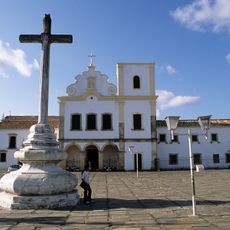
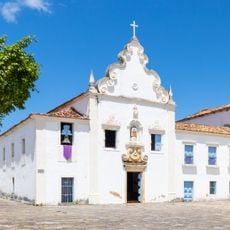
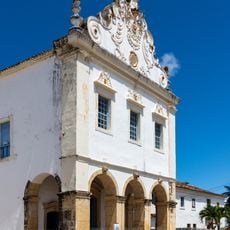
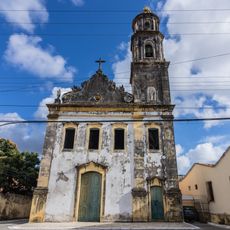
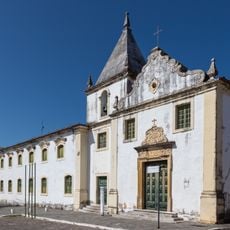
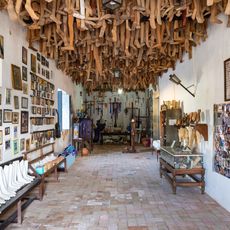
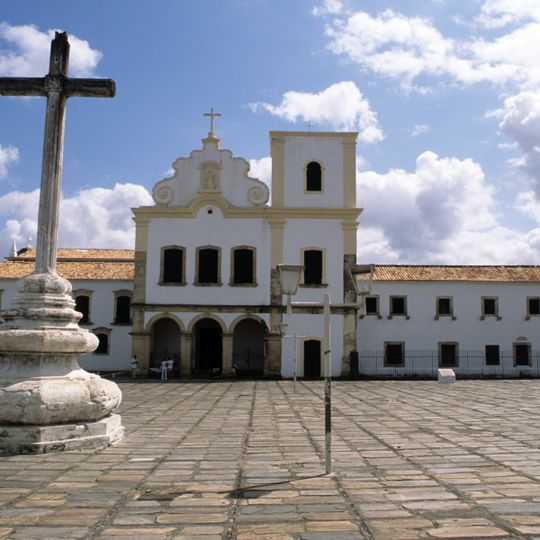
The São Francisco Square shows Portuguese colonial buildings with religious structures like the São Francisco Church and Convent, now home to the Museum of Sacred Art. Visitors can see local craftsmanship and artistic traditions reflected in the stonework and decorations throughout the space.
The city is best explored on foot, with most colonial sites concentrated in one compact area. The river provides natural orientation, and the flat terrain makes walking easy.
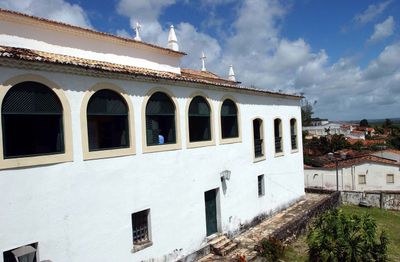
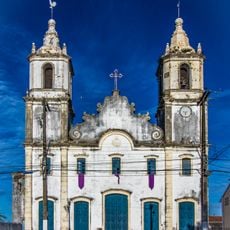
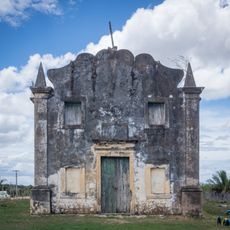
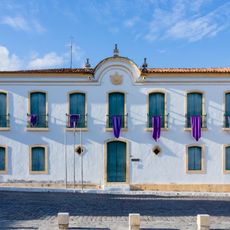
Ten national monuments stand within the city limits, making it one of Brazil's most concentrated areas of preserved colonial structures from the 17th century. This density of protected buildings is unusual in Brazil and draws historians and restoration specialists.
The community of curious travelers
AroundUs brings together thousands of curated places, local tips, and hidden gems, enriched daily by 91,459 contributors worldwide.