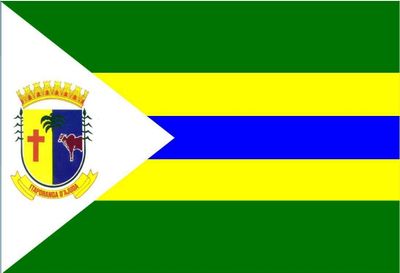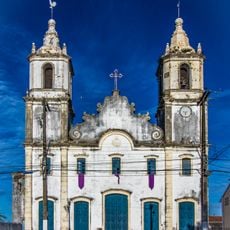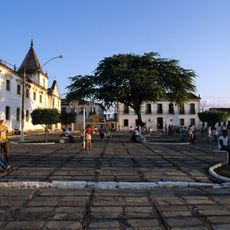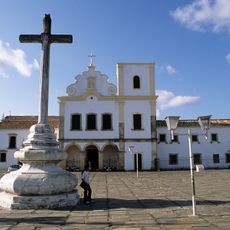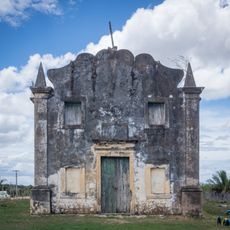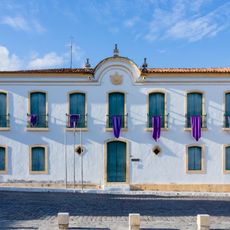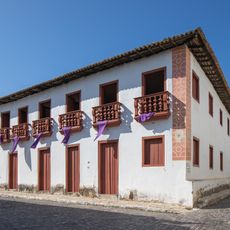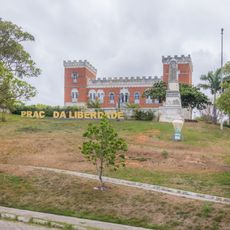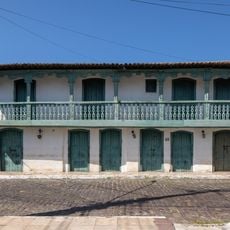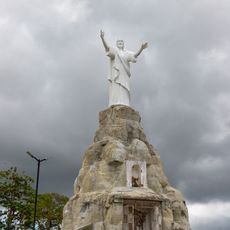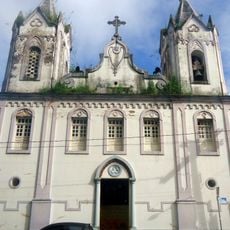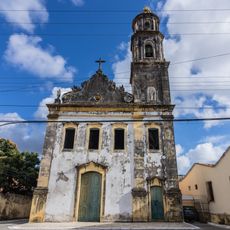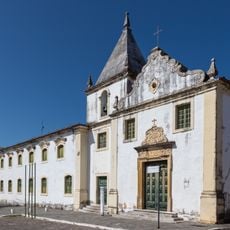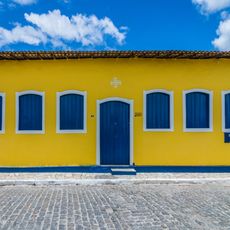
Itaporanga d'Ajuda, Municipality in Sergipe, Brazil
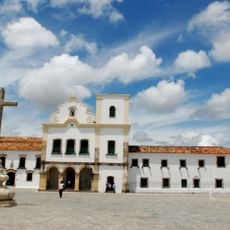
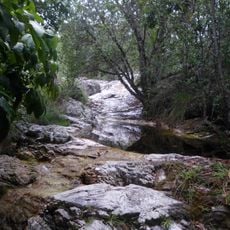
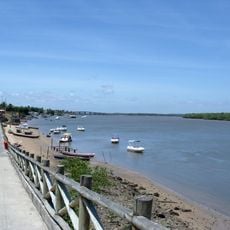
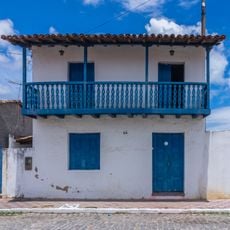
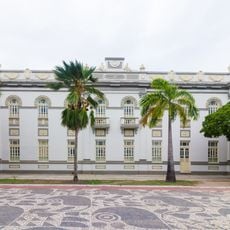
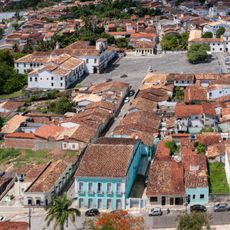
Itaporanga d'Ajuda is a municipality in northeastern Brazil's state of Sergipe, encompassing sections of Serra de Itabaiana National Park. The area spans varied landscapes with its main administrative hub located at Praça Getúlio Vargas.
The municipality was founded in the early 18th century as a Portuguese colonial settlement focused on farming and livestock raising. This rural character shaped the region's development for many generations.
The name comes from the Tupi language, where 'ita' means stone and 'poranga' means beautiful, while d'Ajuda refers to Nossa Senhora da Ajuda. This linguistic blend reflects how indigenous and Portuguese traditions merged in the region.
The best time to explore is during drier months when paths through different parts become easier to navigate. The main plaza serves as a good orientation point and starting place for discovering the surrounding areas.
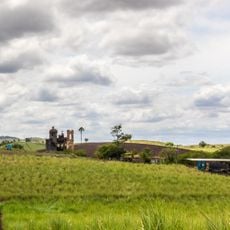
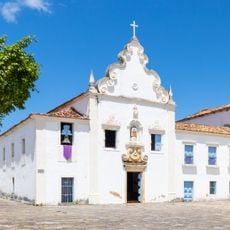
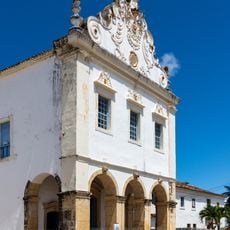
A chapel from a former sugar plantation is considered one of the earliest documented Jesuit settlement sites in the country. This historic location shows the religious and economic role such plantations played in early colonial times.
The community of curious travelers
AroundUs brings together thousands of curated places, local tips, and hidden gems, enriched daily by 92,517 contributors worldwide.