Tucuruí, Hydroelectric center in Pará, Brazil.
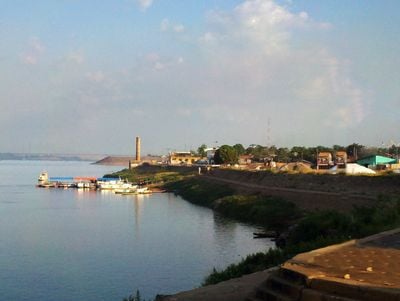
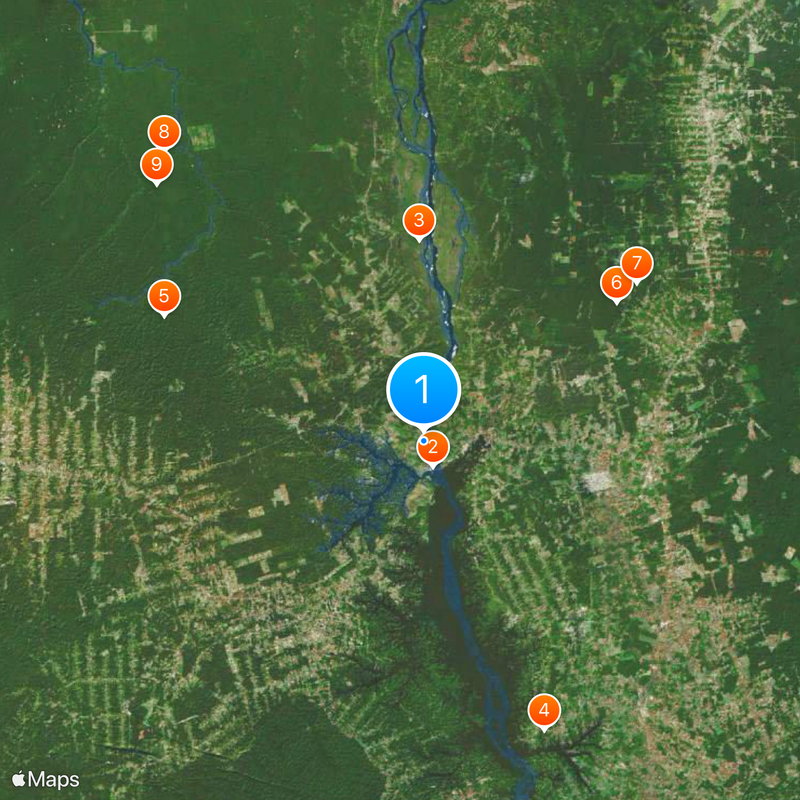
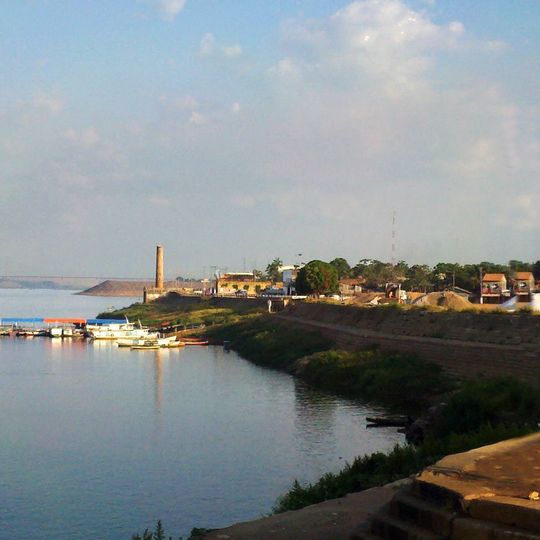
Tucuruí is a city in northern Brazil that spreads along the Tocantins River, marked by artificial islands and waterways created by dam construction. The settlement sits within a landscape shaped by these water systems, which dominate its geography and daily life.
The settlement began in 1779 and became an independent municipality in 1947, marking its transition from a small village to a modern center. The large dam project came later and reshaped both the land and the city's role in regional energy production.
The July Festival brings together local residents and visitors who celebrate through music and street processions in the city center. This tradition has become central to how people express and share their community identity with one another.
The local airport connects to other major Brazilian cities, making travel to the area straightforward. The city center offers multiple shops and lodging options for visitors planning to stay for a few days.
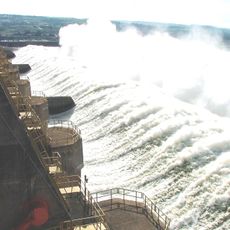
A massive dam near the city generates power across several states and represents one of the world's largest hydroelectric operations. The engineering effort required to build and maintain this facility shaped how the region developed over recent decades.
The community of curious travelers
AroundUs brings together thousands of curated places, local tips, and hidden gems, enriched daily by 92,894 contributors worldwide.