Tucuruí Dam, Hydroelectric power plant on Tocantins River, Brazil
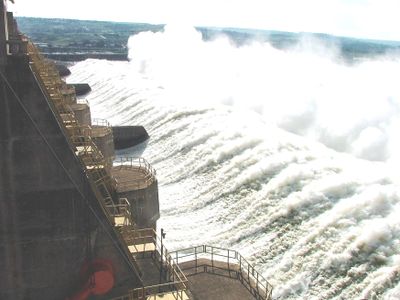
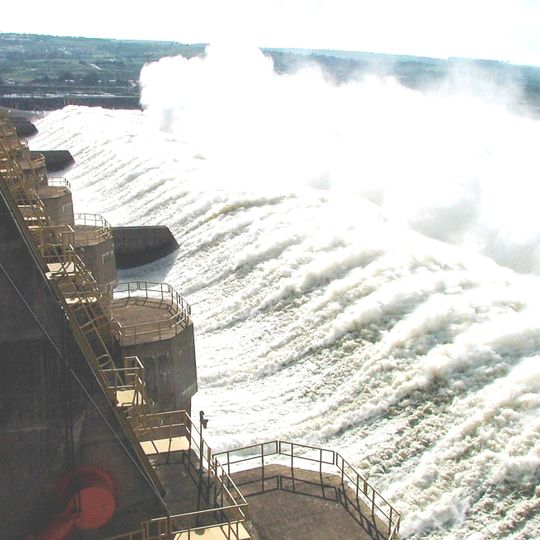
Tucuruí Dam is a hydroelectric power plant on the Tocantins River in Brazil, stretching nearly eight kilometers and forming one of the country's largest artificial reservoirs. The concrete structure rises 78 meters and holds a water volume of 45 cubic kilometers, while 25 turbines in two powerhouses generate electrical energy.
Construction began in 1975 during the military dictatorship as the first major hydroelectric project in the Amazon region. The first phase came online in 1984, and a second powerhouse followed between 1998 and 2010 to double capacity.
The name comes from an indigenous term for the region and now identifies the largest hydroelectric plant in the Amazon. Visitors see the facility as a symbol of Brazil's energy supply and a landmark for the town, where locals fish and take boat trips on the reservoir daily.
Access is limited and often requires advance registration because the facility is an active power plant. Guided tours show the turbine halls and viewpoints along the dam crest, while the best view of the entire structure is possible from elevated points along the riverbank.
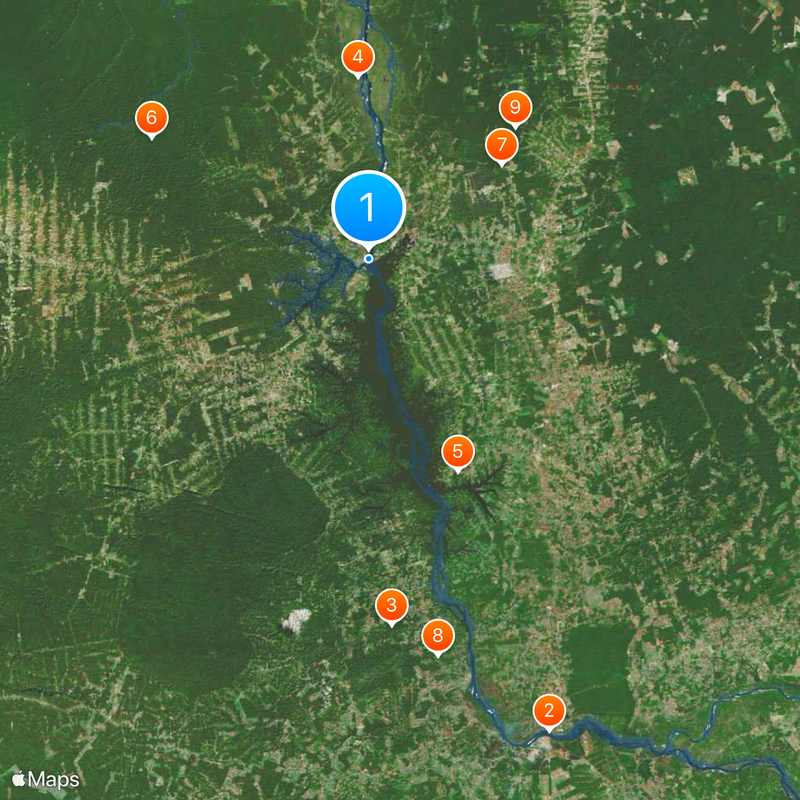
Filling the reservoir took almost two months and created one of Brazil's largest artificial bodies of water covering 2,850 square kilometers (1,100 square miles). Around 32,000 people had to relocate, including many indigenous families who lost their ancestral hunting and fishing grounds.
The community of curious travelers
AroundUs brings together thousands of curated places, local tips, and hidden gems, enriched daily by 91,488 contributors worldwide.