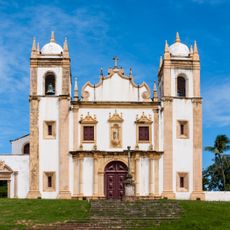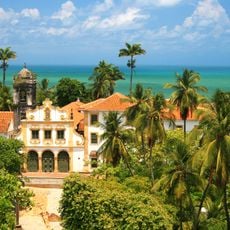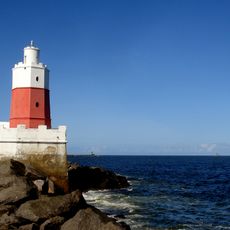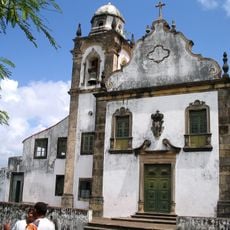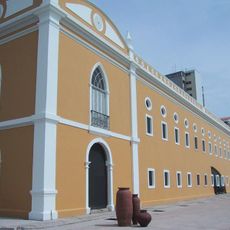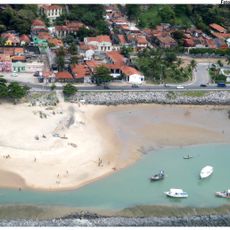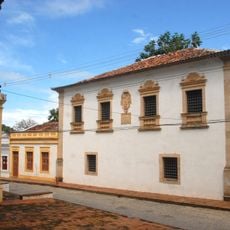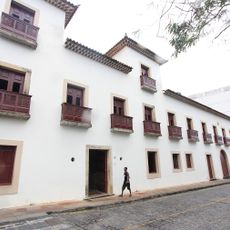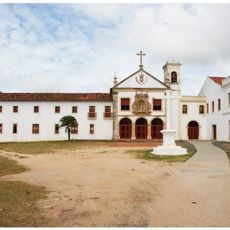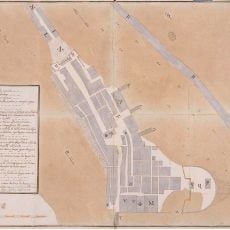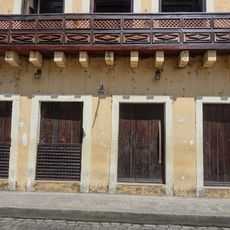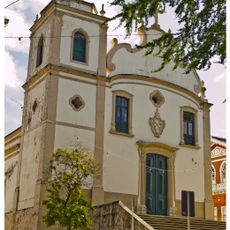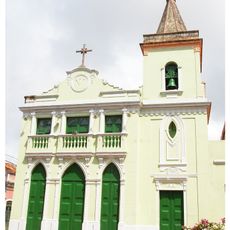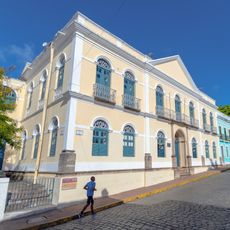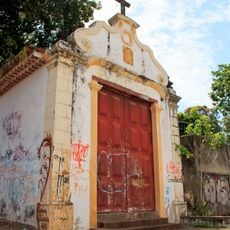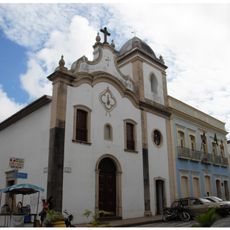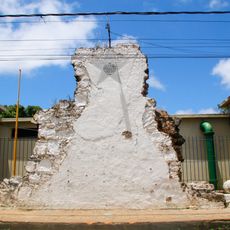
Historic Centre of the Town of Olinda, UNESCO World Heritage historic district in Olinda, Brazil.
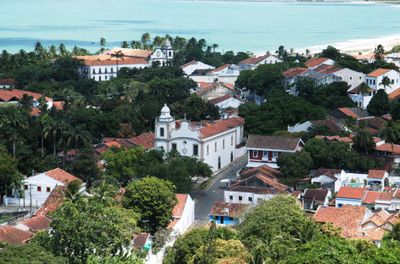
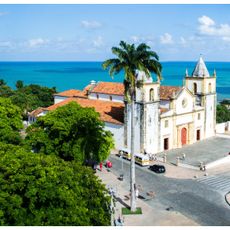
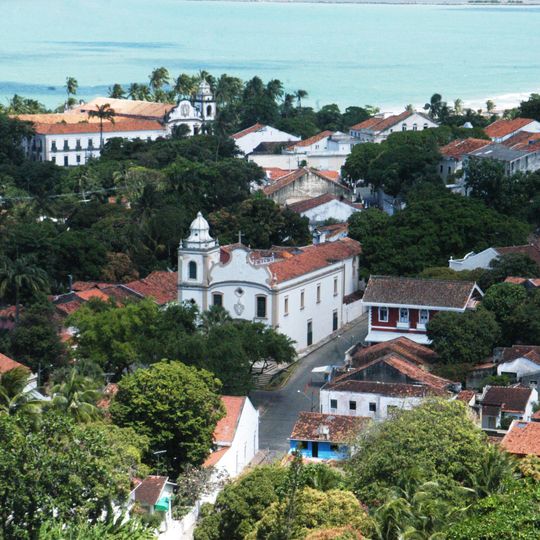
The historic center of Olinda is an old town district on the Brazilian coast arranged in terraces on hillsides, with winding streets shaping its layout. The buildings follow the natural topography, creating an irregular street pattern with many stairs and narrow passages throughout.
Founded in 1535 by Duarte Coelho, first donatário of the Captaincy of Pernambuco, on an elevated site chosen for defence, Olinda became the captaincy's capital and, through sugar, the wealthiest town in colonial Brazil. In 1630 the Dutch invaded; a year later they abandoned and burned the town, moving the capital to Recife. After their expulsion in 1654 Olinda was rebuilt and regained the capital until 1827. It was declared a National Monument in 1980 and a UNESCO World Heritage Site in 1982.
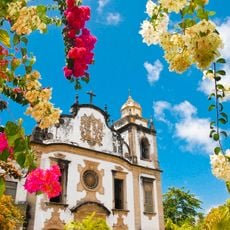
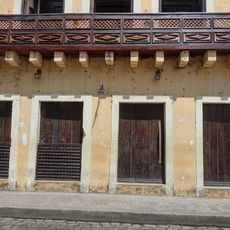
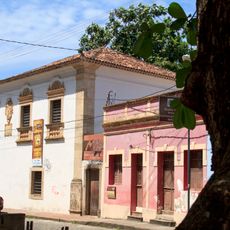
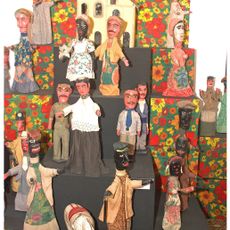
The name Olinda is popularly traced to a settler's exclamation, "Ó linda situação para se construir uma vila!" ("What a beautiful site for a village!"). Each year in February the historic centre hosts one of Brazil's largest carnival celebrations, when giant puppets parade through the steep streets. Look for the stone or wooden balconies on the colonial houses and the azulejo-tiled facades.
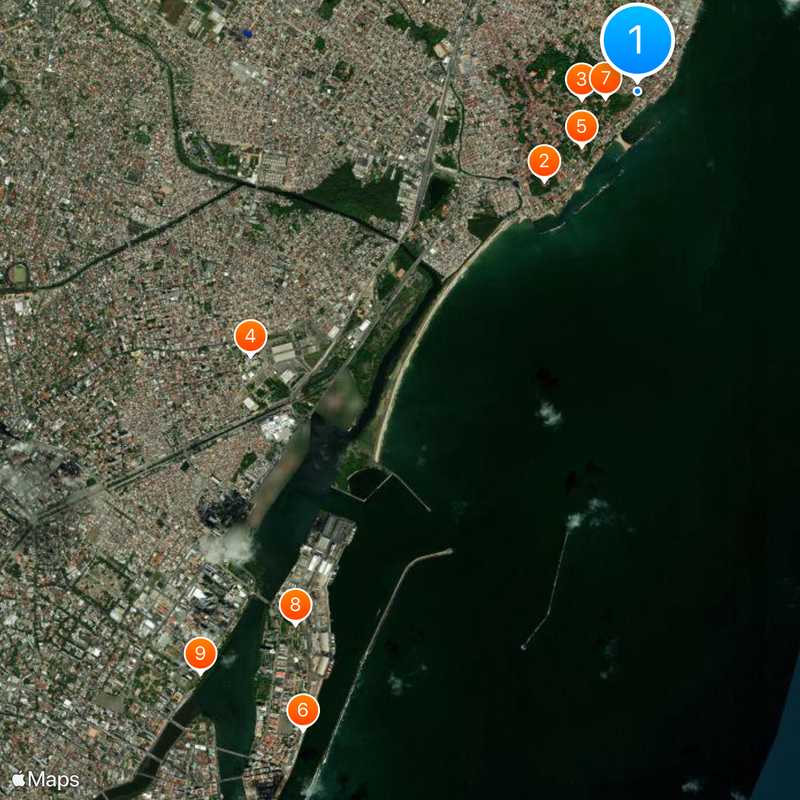
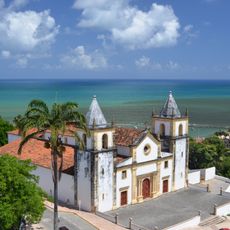
The historic centre spreads across the hills of Cidade Alta, so routes between the churches involve steep climbs and flights of stairs; the upper terraces are reached on foot. The municipal administration, IPHAN and the Monumenta programme have carried out conservation works with attention to accessibility and circulation.
Mango trees, jackfruit trees, and coconut palms grow in streets and gardens, framing the old structures with green foliage. This natural frame creates a visual link between the historic buildings and the surrounding landscape.
The community of curious travelers
AroundUs brings together thousands of curated places, local tips, and hidden gems, enriched daily by 92,832 contributors worldwide.