Port of Cape Town, Commercial seaport in Table Bay, South Africa
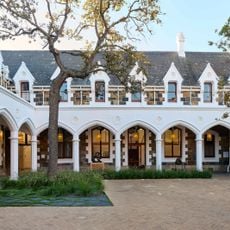
The Port of Cape Town is a commercial seaport in Table Bay with two main sections: the Ben Schoeman Dock for container operations and Duncan Dock for multipurpose cargo handling. The facility processes vessels daily and connects to the waterfront area, where buildings and public spaces frame the harbor edge.
The port's history begins on 6 April 1652, when Jan van Riebeeck of the Dutch East India Company set up a revictualling station at Table Bay. The first harbour work was a jetty built in 1654. After a storm in 1858 wrecked 30 ships and Lloyd's of London refused winter insurance, the colonial government began a breakwater in 1860, which became the Victoria and Alfred Basin.
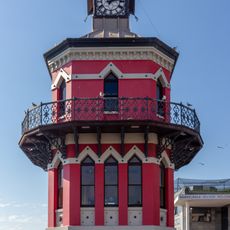
The Victoria and Alfred Basins, the original piers of the harbour, now hold the Victoria & Alfred Waterfront; they still take smaller commercial craft, fishing and pleasure boats and smaller cruise ships. The basins are named after Queen Victoria and her son Alfred, who visited in 1860, the year the first breakwater was begun.
The facility operates continuously throughout the year, with strong winds occasionally affecting cargo operations during winter months. Visitors can observe operations from public waterfront areas, though direct access to the working dock requires security clearance.
The port handles the largest volume of fresh fruit exports in the country and maintains repair facilities serving vessels from the West African oil industry. This combination makes it a strategic hub for multiple trade routes across the southern hemisphere.
The community of curious travelers
AroundUs brings together thousands of curated places, local tips, and hidden gems, enriched daily by 93,432 contributors worldwide.