Nkasa Rupara National Park
Nkasa Rupara National Park, Wetland national park in East Caprivi, Namibia
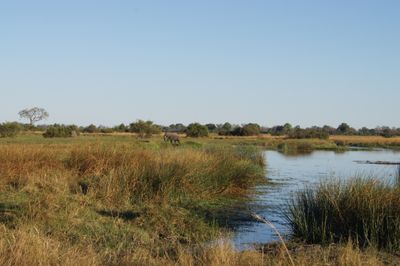
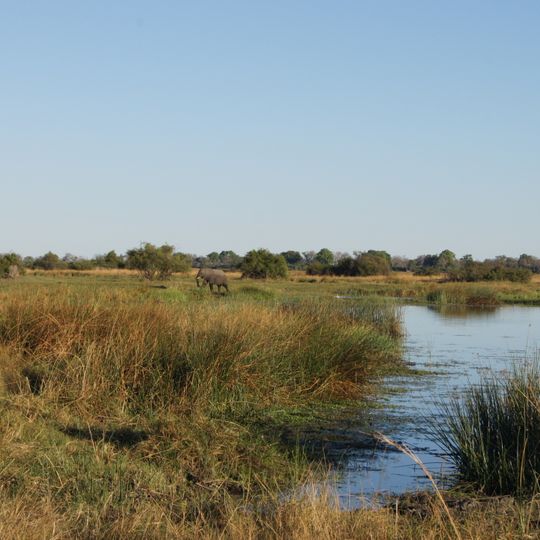
The national park spreads across 337 square kilometers of reed beds, lagoons, and termitaria islands along the Kwando and Linyanti Rivers.
The park, declared on March 1, 1990, changed its name from Mamili to Nkasa Rupara in 2012 to reflect the two main islands within its boundaries.
The BaYeyi people established settlements near Linyanti River and Nkasa Island in the 1700s, developing fishing and agricultural practices in the region.
Visitors require a 4x4 vehicle with recovery equipment to navigate the park, as flooding conditions frequently alter the accessibility of trails.
The park contains Namibia's largest buffalo population, with approximately 1,000 individuals residing within its boundaries.
Location: Zambezi Region
Inception: 1990
GPS coordinates: -18.40000,23.65000
Latest update: November 28, 2025 14:09
Namibia offers travelers a diverse landscape of natural wonders and historical landmarks that span vast desert plains, dramatic canyons, and protected wildlife reserves. The country's attractions range from Etosha National Park, where large herds gather at waterholes across more than 8,500 square miles (22,000 square kilometers) of protected land, to the towering red dunes of Sossusvlei rising 1,000 feet (300 meters) above white salt pans. Fish River Canyon cuts 100 miles (160 kilometers) through the southern landscape, while along the Atlantic coast, the Skeleton Coast preserves the remains of ships lost in foggy waters and hosts thriving seal colonies. Rock engravings at Twyfelfontein, created by San peoples over 6,000 years ago, document ancient wildlife and spiritual practices through more than 2,500 carvings in red sandstone. The Namib Desert, one of Earth's oldest arid regions, supports specialized wildlife and plant species that have adapted to extreme conditions over millions of years. Conservation areas like Okonjima protect cheetahs and leopards through research and rehabilitation programs, while coastal wetlands at Pelican Point and Sandwich Harbour provide feeding grounds for flamingos, pelicans, and thousands of Cape fur seals. The collection also includes Kolmanskop, a German colonial diamond mining settlement from 1908 that now stands abandoned as sand dunes gradually reclaim its buildings. These destinations demonstrate how human history, geological forces, and resilient ecosystems have shaped this southwestern African nation into a compelling destination for nature and culture enthusiasts.
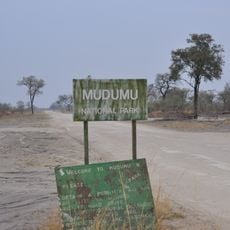
Mudumu National Park
47.3 km
Linyanti Discoverer Camp
21.7 km
Leopard Rock
49.2 km
Bushman Paintings
50.2 km
Waterhole
47.8 km
Baobab Gallery
50.7 km
Buffalo Trail
37.2 km
Rhino Vlei
53.7 km
Baobab stretch point
49.9 km
Leopard rock
49.3 km
Marabou Pan
54.5 km
Waterhole
48.7 km
Waterhole
48.7 km
Kwando Traditional Village
53 km
Savuti Waterhole
48 km
Scenic viewpoint
39 km
Quarry Hill
51.1 km
Elephant bones
54.4 km
Elephant skull
48.1 km
Hippo Pool
42.6 km
Scenic viewpoint
42.6 km
Waterhole
46 km
Horseshoe
67.5 km
Uitkijkhutje
33 km
Maziba Waterhole
32.7 km
Scenic viewpoint
64.1 km
Scenic viewpoint
59.4 km
Chief Sibitwane's Grave
12.7 kmVisited this place? Tap the stars to rate it and share your experience / photos with the community! Try now! You can cancel it anytime.
Discover hidden gems everywhere you go!
From secret cafés to breathtaking viewpoints, skip the crowded tourist spots and find places that match your style. Our app makes it easy with voice search, smart filtering, route optimization, and insider tips from travelers worldwide. Download now for the complete mobile experience.
A unique approach to discovering new places❞
— Le Figaro
All the places worth exploring❞
— France Info
A tailor-made excursion in just a few clicks❞
— 20 Minutes