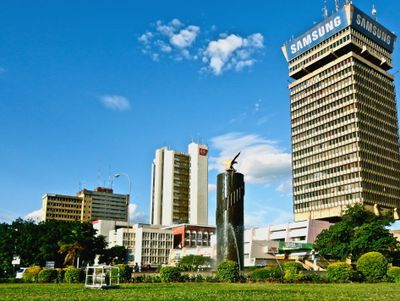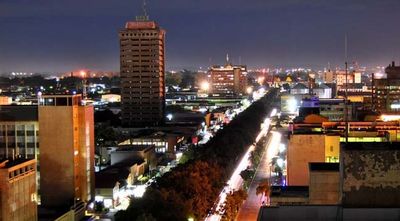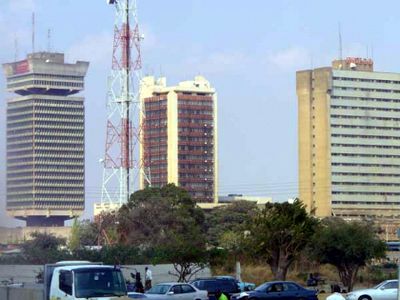
Lusaka, Capital city in southern Zambia
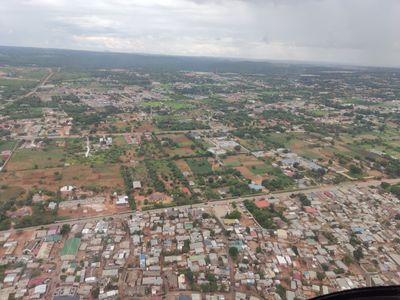
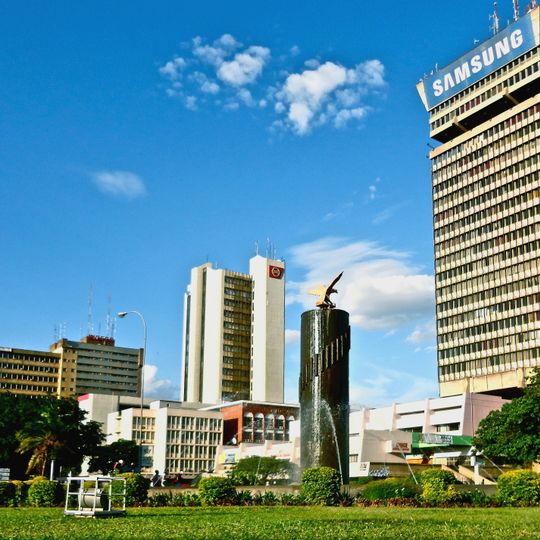
Lusaka extends across a limestone plateau at 1,280 meters (4,200 feet) elevation, functioning as the governmental and commercial center of Zambia with over 3 million inhabitants. The urban area includes both densely built districts and sprawling peripheral zones that developed along major transport routes.
The settlement transformed from a railway stop in 1905 into Northern Rhodesia's capital in 1935, marking the beginning of its administrative significance. After independence in 1964, it became the capital of the new nation of Zambia.
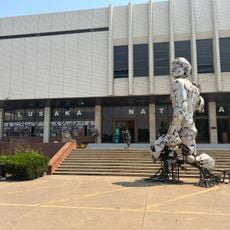
The National Museum displays collections of traditional artifacts, contemporary art, and historical exhibits that represent different periods of Zambian development. The exhibition rooms offer insight into local craft traditions and artistic expressions that visitors can experience today.
The city connects to four main highways leading north, south, east, and west, while Kenneth Kaunda International Airport provides air transportation links. The central location makes orientation easier, though the city spreads over a wide area.
The surrounding grasslands contain numerous termite mounds reaching heights of 6 meters (20 feet), creating natural landmarks across the landscape. These structures persist for decades and shape the appearance of the region around the city.
The community of curious travelers
AroundUs brings together thousands of curated places, local tips, and hidden gems, enriched daily by 91,651 contributors worldwide.