Domaine de Villèle, Historical monument in Saint-Paul, France
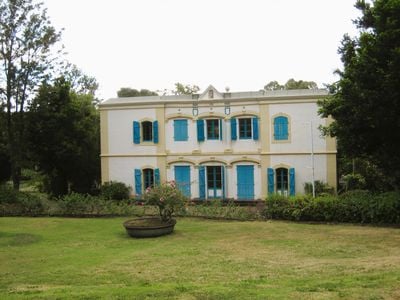
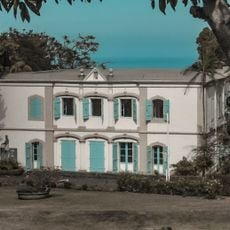
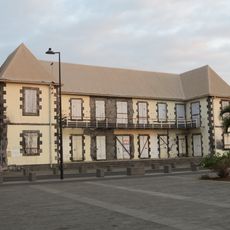
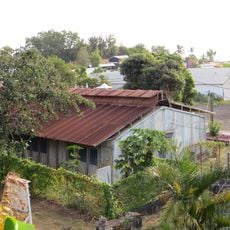
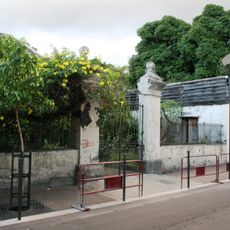
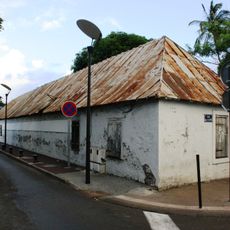
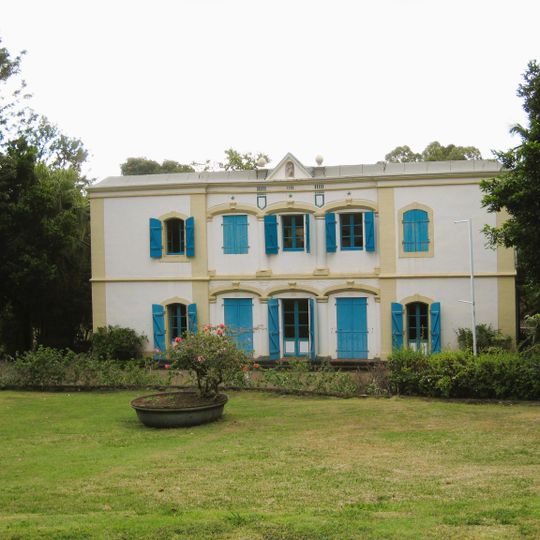
Domaine de Villèle is a plantation house with multiple buildings from the colonial period in Saint-Paul, featuring a master residence, kitchen, storage areas, and a former hospital for enslaved workers. The complex is being developed into a museum that documents colonial housing and slavery practices of the 18th and 19th centuries.
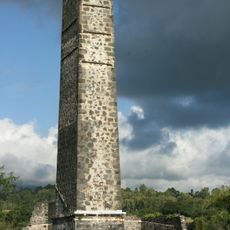
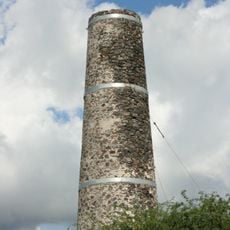
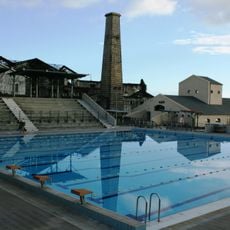
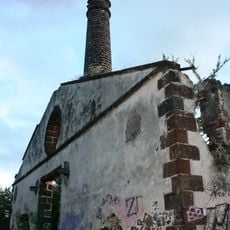
The plantation began in 1770 when Henri-Paulin Panon Desbassayns married Marie Anne Thérèse Ombline Gonneau, combining their inherited lands. In 1788 he built the main house, inspired by the Government Palace of Pondicherry. By 1797 the estate covered about 750 hectares with 417 slaves, the largest on the island. In 1822 a sugar factory with a steam mill was added, and in 1831 it was chosen as a model sugar factory.
The main residence displays furniture and decorative pieces that show how wealthy plantation families lived in colonial times, revealing social contrasts of that era. Visitors encounter daily life objects that belonged to the Creole bourgeoisie during the 18th and 19th centuries.
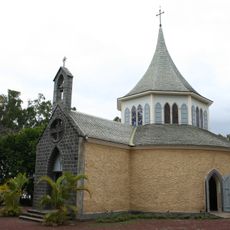
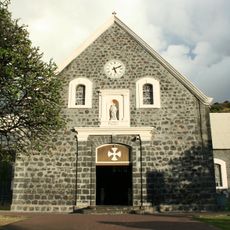
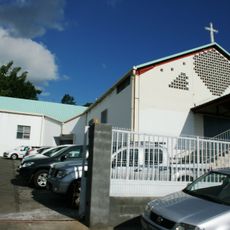
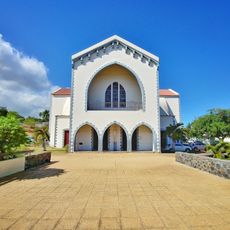
The estate lies in the Villèle district of Saint-Paul, in the west of Réunion, and is reached by road, with the sugar-cane fields of the western zone around it. Visits to the historical museum are usually combined with the neighbouring Chapelle Pointue, a short walk away. The main house, the former sugar factory and the chapel are separate stops on the grounds.
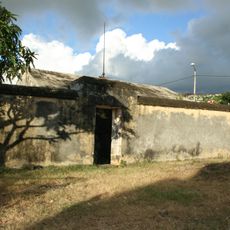
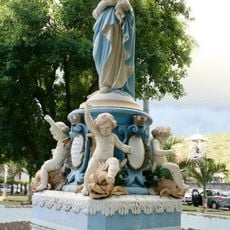
The estate preserves multiple production buildings and a chapel from the 19th century that reveal how complete plantation communities were organized. These outbuildings provide insight into the daily operations and working conditions in ways that many other preserved plantations do not.
The community of curious travelers
AroundUs brings together thousands of curated places, local tips, and hidden gems, enriched daily by 94,810 contributors worldwide.