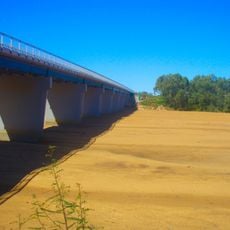
Shark Bay, World Heritage-listed bay in the Gascoyne region, Western Australia, Australia
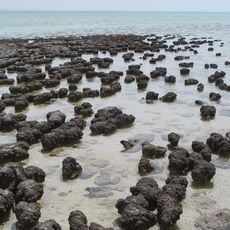
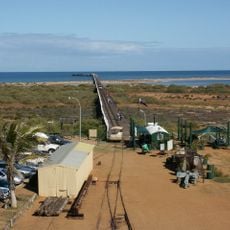
Shark Bay is a 23,000-square-kilometre World Heritage area on Western Australia's westernmost point, about 800 kilometres north of Perth. It is a bay with peninsulas and islands, including Peron Peninsula and Dirk Hartog Island, with an average depth of 9 metres and over 1,500 kilometres of coastline. About 300 kilometres of limestone cliffs overlook the water, among them the Zuytdorp Cliffs.
Aboriginal occupation of the area reaches back 22,000 years, and rising seas flooded the bay between 8,000 and 6,000 years ago. Dirk Hartog's expedition reached it in 1616, and William Dampier named it Shark Bay on 7 August 1699. Pastoralists settled in the 1860s and 1870s, pearling grew from 1870, and UNESCO listed the site in 1991.
The Malgana name Gathaagudu means 'two waters', referring to the bay's two inlets. The Malgana, Nhanda and Yingkarta peoples have lived here for about 30,000 years, and evidence of their occupation survives at 130 recorded sites, including shell middens, rock shelters, quarries such as the one at Crayfish Bay, and burial grounds.
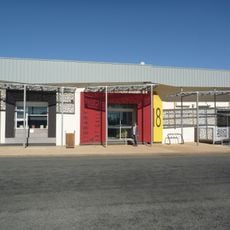
The area is accessible through Shark Bay Airport or via the World Heritage Drive from the North West Coastal Highway. Visitors should plan to spend several days exploring the different zones and habitats throughout the region.
Shark Bay holds 28 shark species, and it was the many sharks that led William Dampier to name the bay on 7 August 1699. The bay also contains the westernmost point of the Australian mainland.
The community of curious travelers
AroundUs brings together thousands of curated places, local tips, and hidden gems, enriched daily by 93,469 contributors worldwide.