Jigalong, Aboriginal community in Western Australia
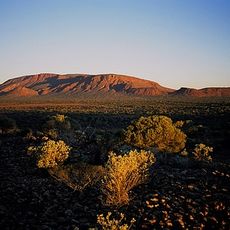
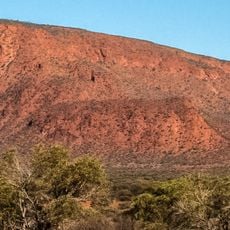
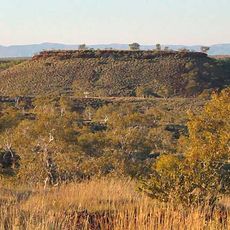
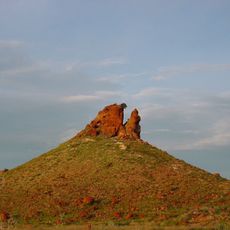
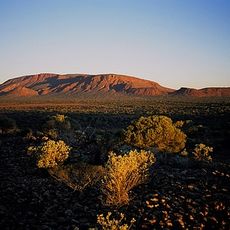
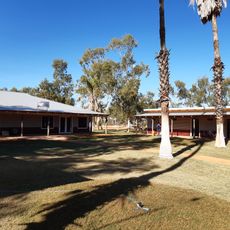
Jigalong is a small settlement in northern Western Australia near the Little Sandy Desert, mainly inhabited by the Martu people. The community has few buildings, including a school, a health center, residences, and facilities for community activities, spread across flat, dry land with sparse vegetation.
Jigalong was established in 1907 as a supply point for workers building the rabbit-proof fence, a large structure meant to keep pests away from farmland. The community was later run by the Apostolic Church, then managed by the government, and transferred to the Martu people as an Aboriginal reserve in 1974.
Jigalong is the center of the Martu people, who have lived here for thousands of years with deep ties to the land. The community preserves its language, Martu Wangka, and traditional stories through daily practices, ceremonies, and the passing of knowledge from elders to younger generations.
Getting to Jigalong is difficult and requires long drives over dirt roads or flights, as the community is very remote. Visitors should bring plenty of water and supplies, interact respectfully with the community, and ask permission before taking photographs.
Jigalong is known for the story of sisters Molly and Daisy Craig, who escaped from Moore River Mission in 1931 and walked hundreds of miles across the desert back home. This remarkable escape was later told in the book and film 'Follow the Rabbit-Proof Fence' and remains a symbol of the resilience and determination of the Martu people.
The community of curious travelers
AroundUs brings together thousands of curated places, local tips, and hidden gems, enriched daily by 92,768 contributors worldwide.