Waitangiroto Nature Reserve, Nature reserve in Whataroa, New Zealand
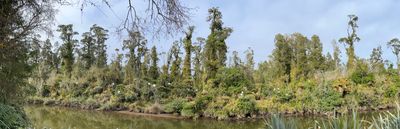
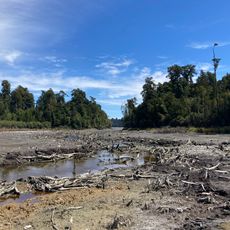
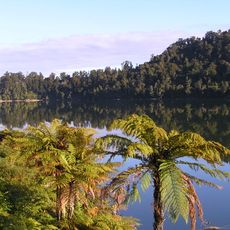
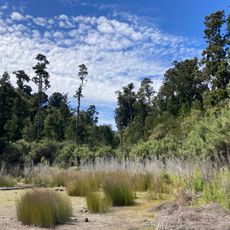
Waitangiroto Nature Reserve is a protected area in Westland District that follows the Waitangiroto River through swamp forest dominated by kahikatea trees. The reserve forms a wetland habitat where shallow waterways thread between dense stands of timber and create sheltered nesting grounds.
Māori knew the kōtuku colony and in 1860 petitioned the authorities to create a native reserve that included it, without success. Surveyor Gerhard Mueller became the first European to see the colony on 30 December 1865, paddling up the Waitangi-Roto River. An honorary ranger was appointed in 1924, a paid ranger in 1944, and the area was gazetted a wildlife refuge in 1957 after an adjacent Māori reserve was acquired. It became the Waitangiroto Nature Reserve in 1976, with access by permit only.
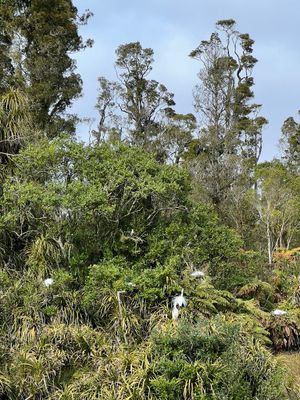
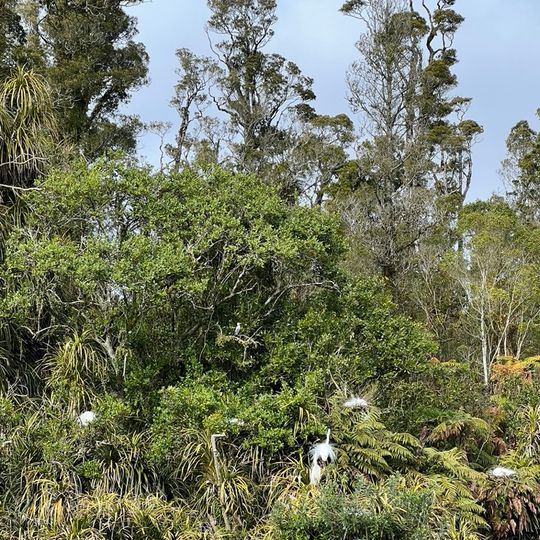
The name kōtuku is the Māori term for the white heron, and the birds were known to local Māori, who in 1860 petitioned the authorities to create a native reserve that included the colony. The birds nest in the crowns of tree ferns, kōwhai, kāmahi and māhoe, while royal spoonbills nest higher in emergent kahikatea. Visitors watch from a hide across the Waitangiroto River.
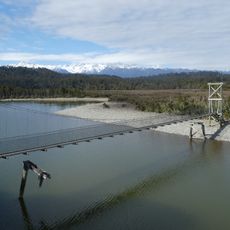
Access to the whole reserve is by permit only, and tours run from a base in Whataroa. Visitors watch the birds from a hide across the Waitangiroto River, so the colony itself is not entered. The river is slow and peat-stained, and the swamp forest on both banks is dense.
This reserve hosts the only breeding colony of kotuku in all of New Zealand, where the birds return each year. The 2023 count recorded around 56 nesting pairs that build their nests high in the trees above the swamp waters.
The community of curious travelers
AroundUs brings together thousands of curated places, local tips, and hidden gems, enriched daily by 93,403 contributors worldwide.