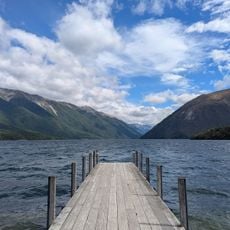
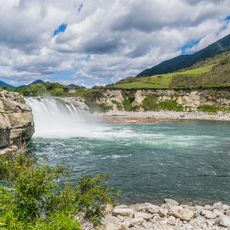
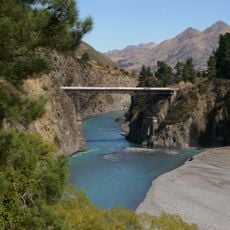
Rotomairewhenua / Blue Lake, Alpine lake in Nelson Lakes National Park, New Zealand.
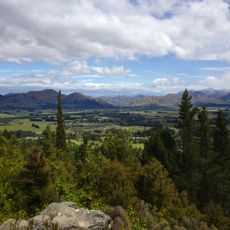
Rotomairewhenua or Blue Lake is an alpine lake in Nelson Lakes National Park set among mountain terrain. Water flows through natural rock debris and geological deposits, filtering out suspended particles and creating exceptional clarity.
Ngāti Apa ki te Rā Tō, the iwi whose rohe contains the lake, received it through their 2010 Treaty of Waitangi settlement and returned it to the Crown. On 7 August 2014 the official name became Rotomairewhenua / Blue Lake. A 2011 NIWA study measured visibility of 70–80 metres, surpassing the 63 metres recorded at Te Waikoropupu Springs.
Rotomairewhenua lies within the rohe of Ngāti Apa ki te Rā Tō, who used the lake in ceremonies to cleanse the bones of male dead and release their spirits for the journey to Hawaiki; Lake Constance served the same purpose for females. The iwi regard the water as tapu, and the name means "the lake of peaceful lands".
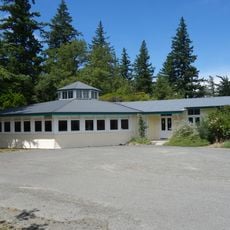
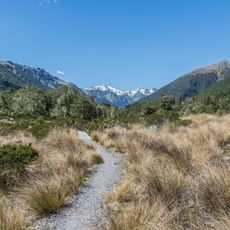
Blue Lake sits at 1,185 m on the west flank of Mount Franklin, 32 km south-southwest of Saint Arnaud. Most trampers reach it as a side trip on the Travers-Sabine Circuit; the lake is about 3.5 hours from West Sabine Hut, itself 5 hours from Sabine Hut at Lake Rotoroa. The 16-bunk Blue Lake Hut stands just west of the lake's outlet, and marked routes continue south over Waiau Pass and west via Moss Pass.
The lake's clarity comes from water seeping underground through landslide debris that dams Lake Constance, 745 m to the south-southeast; this debris filters out nearly all suspended particles. A 2011 NIWA study measured visibility of 70 to 80 m, compared with about 80 m for distilled water in the laboratory.
The community of curious travelers
AroundUs brings together thousands of curated places, local tips, and hidden gems, enriched daily by 93,425 contributors worldwide.