Pukekura Park, Botanical garden in New Plymouth, New Zealand
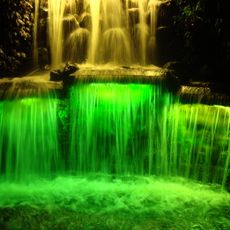
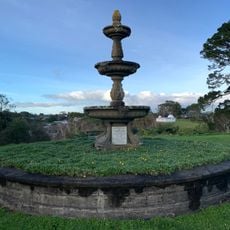
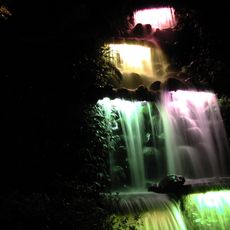
Pukekura Park covers 52 hectares in central New Plymouth, with a main lake, a man-made cascading waterfall and a fountain in Fountain Lake. Walking trails run along the lake edges, and row boats can be hired on the main lake. The Fernery and Display Houses are three glass-roofed caverns cut into the hillside below ground level.
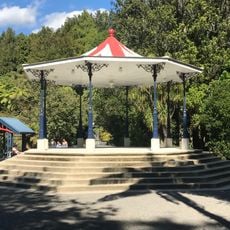
The 15-hectare Recreation Ground had its gala opening on 29 May 1876, when Jane Carrington planted four trees: an oak for Great Britain, a pūriri for New Zealand, a Norfolk Island pine for the South Pacific and a Pinus radiata for America. The grounds were renamed Pukekura Park in 1907. The Band Rotunda, completed in 1891 with cast iron by Scott Bros. of Christchurch, was inaugurated before more than 5,000 people.
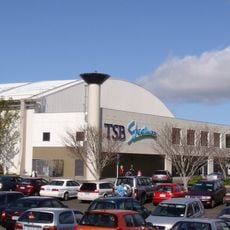
The park's name comes from the Māori words puke (hill) and kura (red); the Recreation Ground was renamed Pukekura Park in 1907. The TSB Festival of Lights, a free summer event, runs for five to six weeks from mid-December to late January, with light installations and daytime and evening programmes. The Band Rotunda, completed in 1891, still hosts concerts and seasonal festivals.
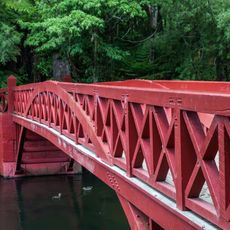
Walking trails cross the park and follow the lake edges, passing Poet's Bridge, the cascading waterfall and the fountain in Fountain Lake. Row boats can be hired on the main lake. The Teahouse sits beside the main lake, and the cricket ground lies at the north-western end of the park.
The ceremonial spade used by Jane Carrington to plant the park's first trees in 1876 is kept in the Puke Ariki collection in New Plymouth. The Band Rotunda, completed in 1891 with cast iron from Scott Bros. of Christchurch, was inaugurated before an audience of more than 5,000.
The community of curious travelers
AroundUs brings together thousands of curated places, local tips, and hidden gems, enriched daily by 93,425 contributors worldwide.