Gisborne, Coastal city on North Island, New Zealand.
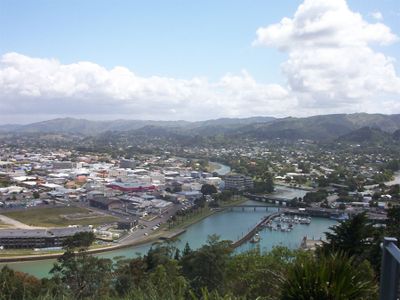
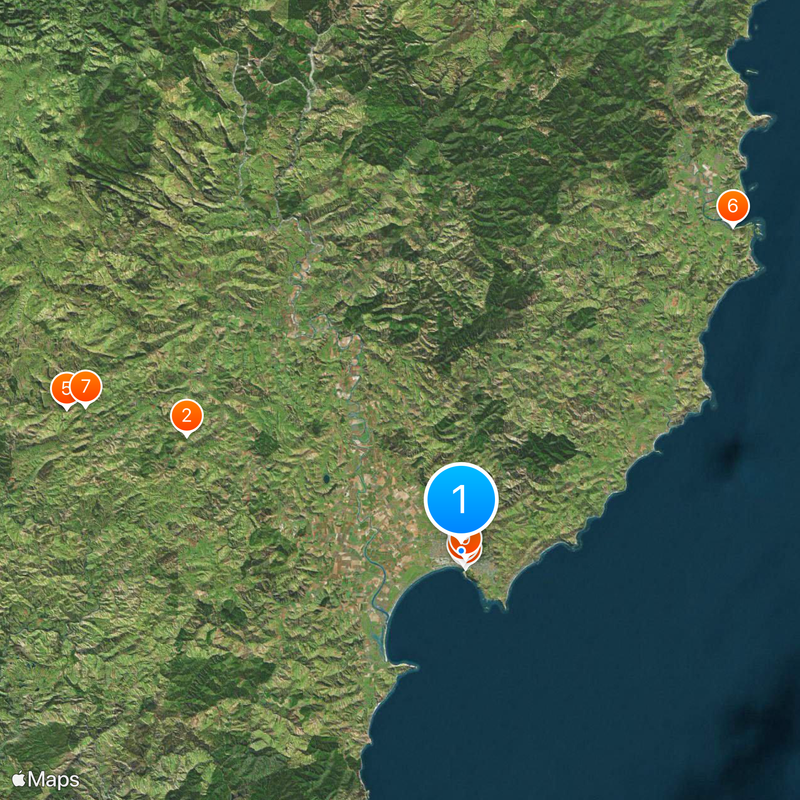
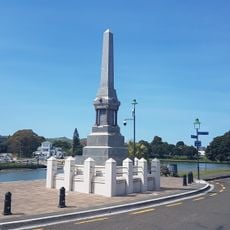
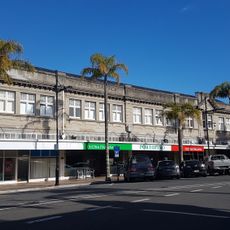
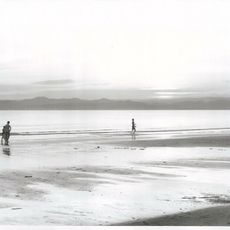
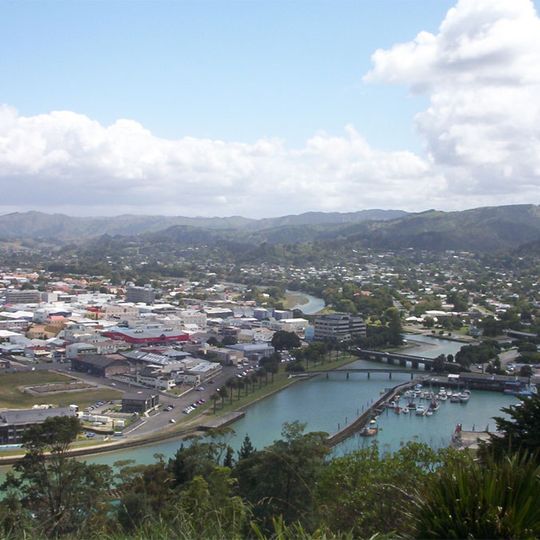
Gisborne sits at the eastern tip of the North Island and spreads across flat coastal areas and hilly inland regions where several rivers meet the Pacific Ocean. Sandy beaches line the coast while farmland and orchards cover the low hills that stretch from the town edge to forested ridges farther west.
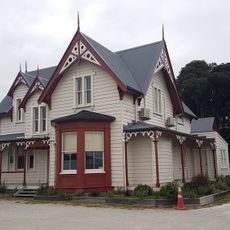
European whalers and traders followed in the decades after Cook's arrival, before permanent settlements formed in the mid-1800s and farming spread across the fertile river plains. The port grew alongside logging operations that shipped native timber overseas and later handled wool and frozen meat exports through the early twentieth century.
. The name Tair ā whiti means 'the coast where the sun rises first,' reflecting how local M āori communities have long connected their identity with the dawn each morning. Vineyards planted on sunny slopes inland show how settlers adapted Mediterranean grape growing to the warm climate and volcanic soils found here.
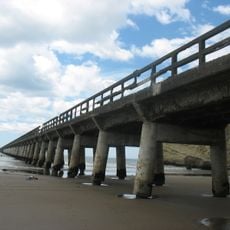
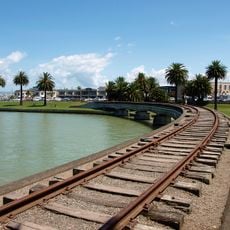
The airport serves regular connections to larger New Zealand cities and makes domestic travel straightforward. The port operates with fishing boats and substantial log exports throughout the year and can be viewed during business hours.
The geographical position makes this the first city in the world to see sunrise each new day, thanks to its eastern location. A statue of Captain Cook stands on Kaiti Hill and marks the exact spot where his ship Endeavour anchored in 1769.
The community of curious travelers
AroundUs brings together thousands of curated places, local tips, and hidden gems, enriched daily by 92,663 contributors worldwide.