Tūranganui-a-Kiwa / Poverty Bay, Bay inlet on the east coast of North Island, New Zealand
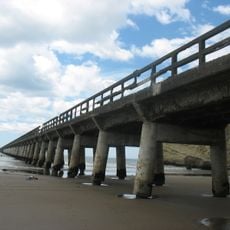
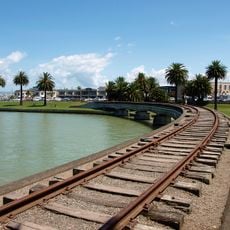
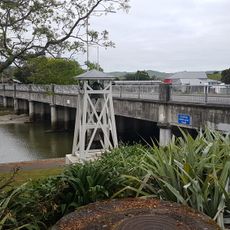
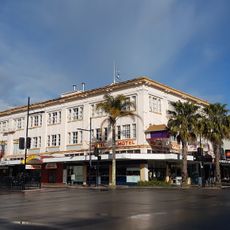
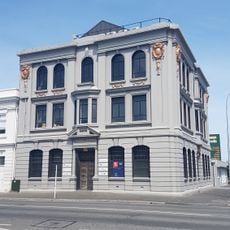
Tūranganui-a-Kiwa, also called Poverty Bay, is a wide coastal indentation on New Zealand's east coast, extending roughly 10 kilometers from Young Nick's Head in the southwest to Tuaheni Point in the northeast. The city of Gisborne sits on its northern shore and serves as the main urban center of this coastal area.
Captain James Cook made the first European landing in New Zealand here in October 1769, naming the location after the local people would not provide provisions. This moment marked the beginning of sustained European contact with the islands.
The local name Tūranganui-a-Kiwa means 'the great standing place of Kiwa' and reflects the enduring presence of Māori people in this region. The bay served as a gathering place and trading point for the indigenous community for many generations.
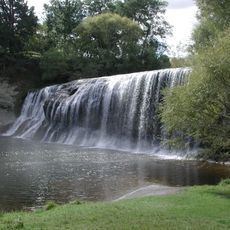
The Waipaoa River flows into the bay, creating fertile conditions that support farming, wine production, and fruit growing in the surrounding area. Visitors can explore agricultural landscapes and see the abundance of local produce across the region.
Sediment layers in the bay contain geological records of major ancient events, including Polynesian settlement and the Taupo volcanic eruption. These natural archives reveal how environmental changes shaped the region's early history.
The community of curious travelers
AroundUs brings together thousands of curated places, local tips, and hidden gems, enriched daily by 91,721 contributors worldwide.