Waitangi, locality in Far North District, Northland Region, New Zealand
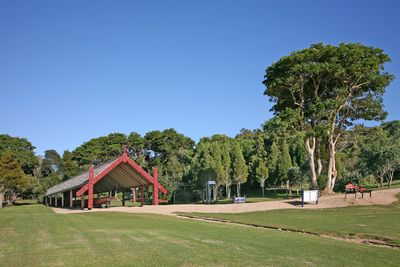
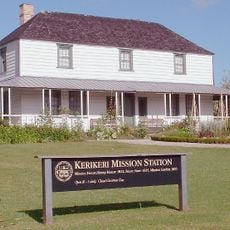
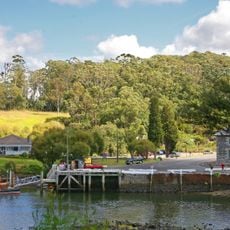
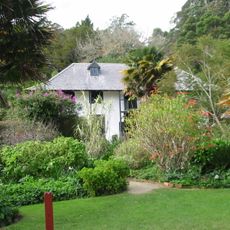
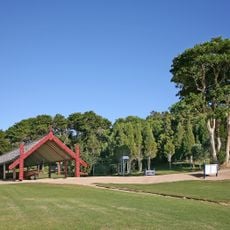
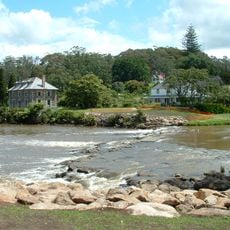
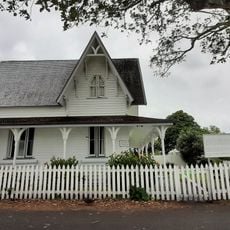
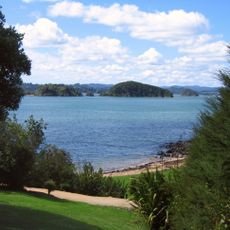
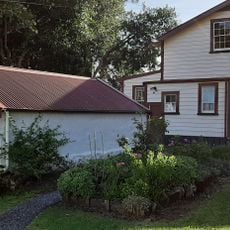
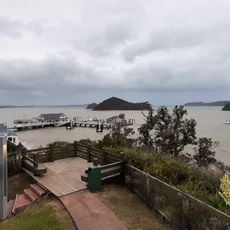
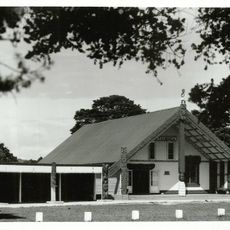
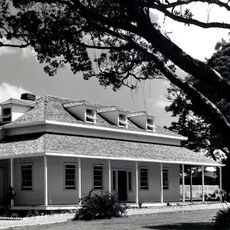
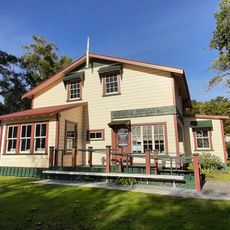
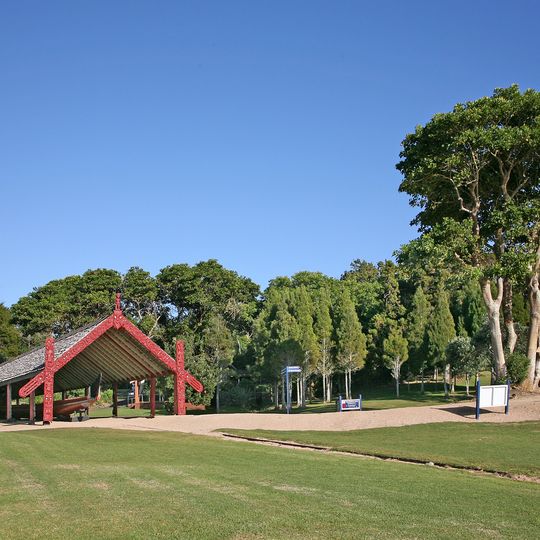
Waitangi is a locality in the Far North District of New Zealand, where a river meets the Bay of Islands on an open grassy headland. The grounds hold a colonial-era house from the early 19th century, a carved meeting hall called Te Whare Runanga, and a large traditional war canoe displayed under cover.
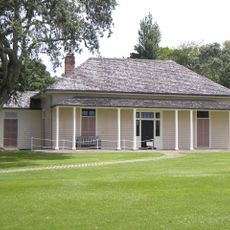
The house on the grounds was built in 1832 and became a meeting point for talks between Maori leaders and the British Crown. In 1840, the Treaty of Waitangi was signed here, a document that tried to define the relationship between Maori and the British government and is still treated as a founding text of New Zealand.
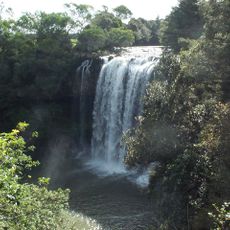
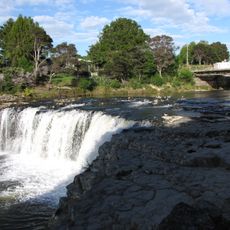
The name Waitangi comes from the Maori language and means something like "noisy waters", after the river that runs into the bay here. Visitors today can watch traditional performances and greetings that take place at the nearby Marae, which is still an active gathering place.
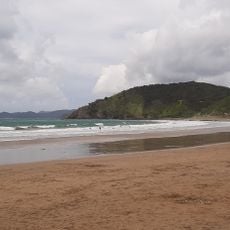
The grounds are open daily and have paths along the coast and through forested areas that are easy to walk. From Paihia, the site is just a short walk or drive away, and parking is available on site.
The war canoe Ngatokimatawhaorua on display here is still launched into the water and paddled on special occasions, not simply kept as a display object. Seeing it move on the water gives a very different sense of its scale compared to viewing it at rest.
The community of curious travelers
AroundUs brings together thousands of curated places, local tips, and hidden gems, enriched daily by 91,487 contributors worldwide.