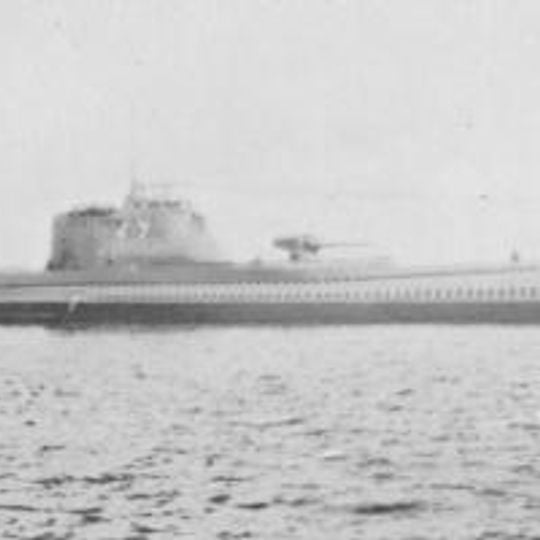
Japanese submarine I-17, World War II submarine in Japan
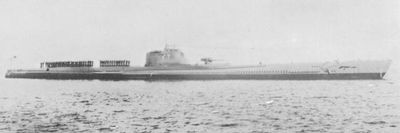
The I-17 was a large cruiser submarine of the Imperial Japanese Navy designed for extended-range operations across distant oceans. It carried substantial firepower and could remain deployed far from home ports for prolonged missions, making it one of the most advanced submarines of its era.
Built in the 1930s, the submarine gained attention in 1942 when it shelled the California coast, marking one of the few direct Axis attacks on the American mainland during the conflict. Following the war's end, the vessel was sunk and its wreck documented as evidence of the Japanese Navy's ability to project power across vast distances.
Submarine warfare played a pivotal role in the Pacific theatre and affected wartime strategy.
The wreck lies underwater and is accessible to recreational divers but requires advanced training and experience with deep diving operations. Visitors should check local conditions beforehand and work with experienced guides familiar with the site.
This submarine was one of the rare Axis vessels to actually bombard the American mainland, an event that caused considerable alarm among the public at the time. The wreck was largely forgotten for decades until the diving community rediscovered it and transformed it into a destination for history enthusiasts.
The community of curious travelers
AroundUs brings together thousands of curated places, local tips, and hidden gems, enriched daily by 91,394 contributors worldwide.