Chief Roi Mata’s Domain, Sacred burial grounds in Shefa, Vanuatu
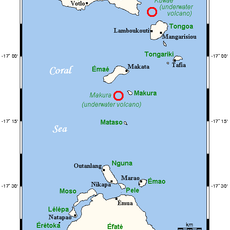
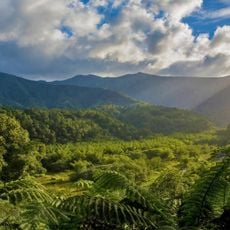
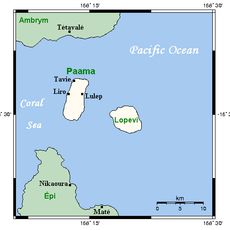
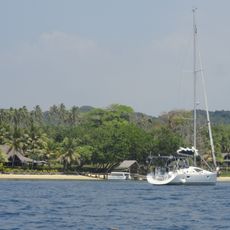
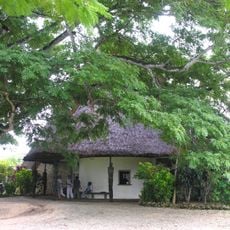
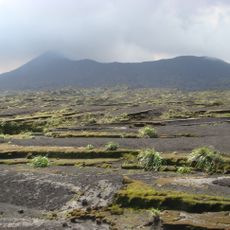
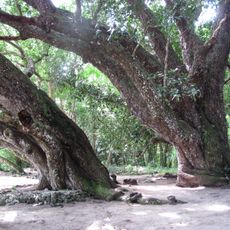
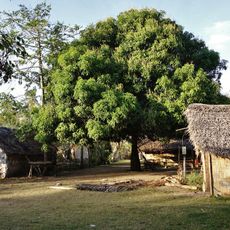
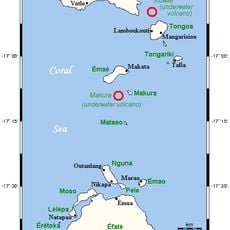
Chief Roi Mata's Domain spreads across three islands and includes burial sites, ceremonial spaces, and archaeological remains from Melanesian times. The landscape reveals how sacred places were arranged and how communities organized their settlements across these locations.
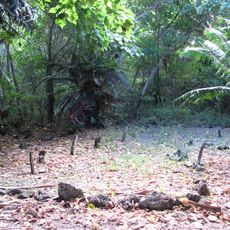
Roi Mata was the title of the supreme chief of the islands around Efate; the last holder died around 1600. Oral tradition credits him with ending intertribal wars and introducing a matrilineal clan system. In 1967 archaeologist José Garanger excavated Eretoka with local permission and found a burial matching the legend, with numerous skeletons of probable attendants.
Roi Mata is also the title held by every member of his dynasty, and many chiefdom titles used today in north-western Efate and the Shepherd Islands are said to have been created by him. The communities of Mangaliliu on Efate and Natapau on Lelepa, about 670 people in all, run the Roi Mata Cultural Tour with the Vanuatu National Museum.
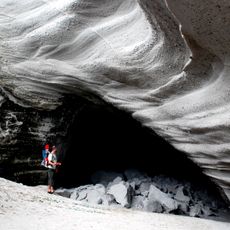
Access to the three sites is arranged through the village communities of Mangaliliu on Efate and Natapau on Lelepa, which run the Roi Mata Cultural Tour with support from the Vanuatu National Museum. On Eretoka, building permanent dwellings and spending the night are prohibited, and farming is not practised there or around the abandoned settlement of Mangaas. Fels Cave is held sacred as a resting place of the spirits of the dead.
The site integrates both land areas and water zones, revealing ancient practices of land and resource management. This combination of terrestrial and marine elements is unusual and shows how people used the entire island landscape for both living and ceremony.
The community of curious travelers
AroundUs brings together thousands of curated places, local tips, and hidden gems, enriched daily by 93,764 contributors worldwide.