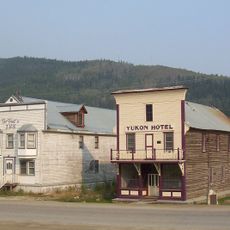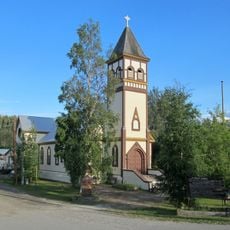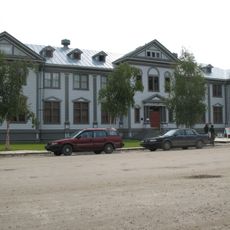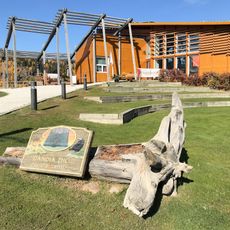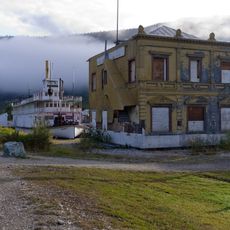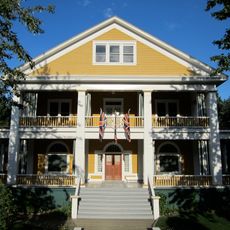
Klondike Gold Rush, Gold rush event in Klondike region, Yukon, Canada.
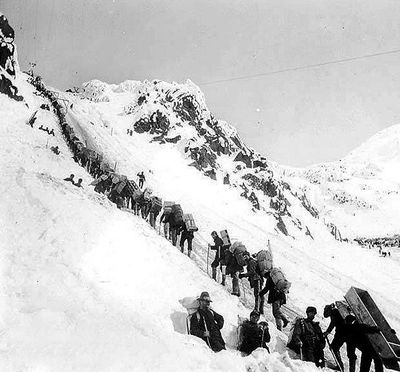
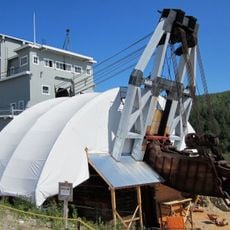
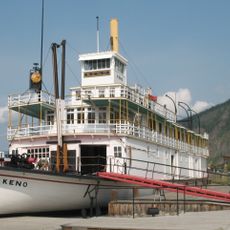
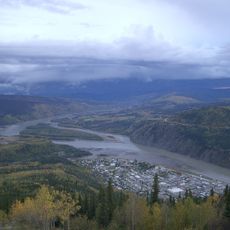
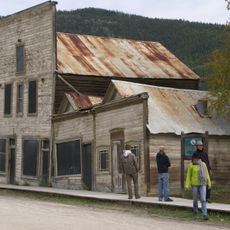
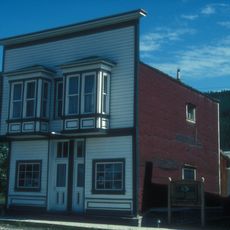
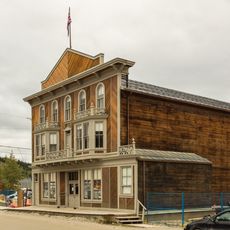
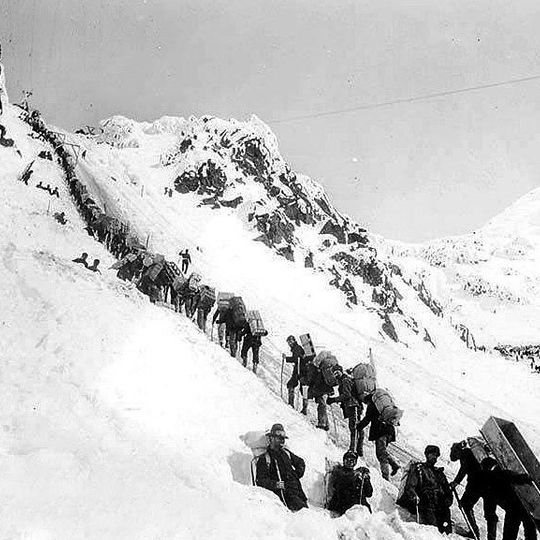
The Klondike Gold Rush refers to the discovery of gold deposits near the Klondike River, which triggered a mass migration of prospectors into the northern Canadian wilderness. Most fortune seekers reached the region through two difficult mountain passes, the Chilkoot Trail and White Pass, before traveling downriver to Dawson City.
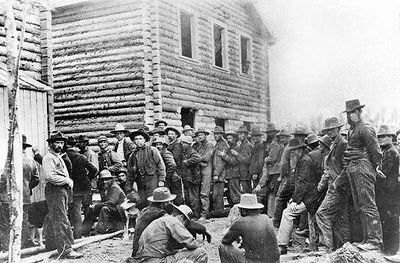
Between 1896 and 1899, more than one hundred thousand people embarked on dangerous journeys through Alaska to reach the gold fields of Yukon Territory. Only about thirty thousand actually made it to Dawson City, and of these, fewer than four thousand found significant amounts of gold.
In Dawson City, descendants of early prospectors still share stories of their ancestors who settled here. The annual Discovery Day festival brings locals together in period clothing, reenacting the arrival of fortune seekers and singing songs from the rush era.
Canadian authorities required each prospector to carry about one ton (900 kilograms) of supplies, including food and mining equipment, before entering Yukon Territory. This rule was meant to ensure people could survive the harsh climate without relying on rescue or assistance.
Along the White Pass Trail, more than three thousand pack animals perished during the transportation of supplies, earning the route the nickname Dead Horse Trail. To this day, you can still see the bones of animals that collapsed under heavy loads at certain points along the path.
The community of curious travelers
AroundUs brings together thousands of curated places, local tips, and hidden gems, enriched daily by 90,903 contributors worldwide.