McRae Formation, Geological formation in Sierra County, New Mexico.
The McRae Formation is a geological feature in Sierra County featuring stacked layers of mudstone, shale, and conglomerate that exceed 1 kilometer in thickness. These deposits record shifting environmental conditions and sediment sources from the Late Cretaceous period.
The formation developed during the Late Cretaceous period in the Maastrichtian age, with fossil discoveries beginning in 1905. It represents a time when marine and coastal environments dominated the region with varied animal populations.
Scientists and researchers examine the formation's layers to understand the environmental changes and animal life of New Mexico during prehistoric times.
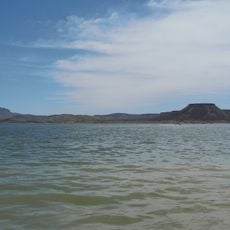
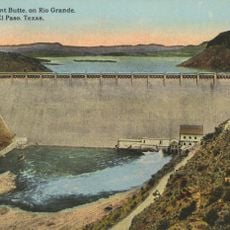
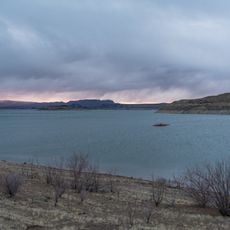
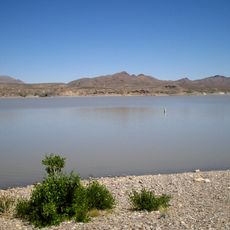
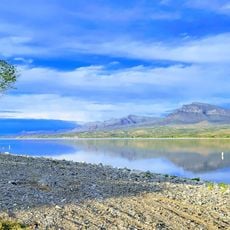
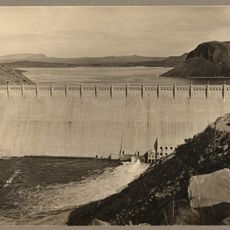
The site sits near Elephant Butte Reservoir, positioned between the Fra Cristobal and Caballo Mountains in south-central New Mexico. Plan visits for cooler months since the region experiences hot desert conditions most of the year.
The Hall Lake Member contains fossils of Tyrannosaurus rex and a previously unknown ceratopsian genus related to Torosaurus. This makes it one of the few places where top predators and large herbivores from the end of the Cretaceous have been found together.
The community of curious travelers
AroundUs brings together thousands of curated places, local tips, and hidden gems, enriched daily by 92,653 contributors worldwide.