Estadio Azteca, Football stadium in Coyoacán, Mexico City, Mexico
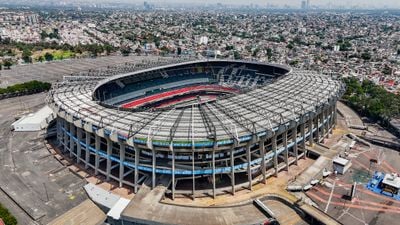
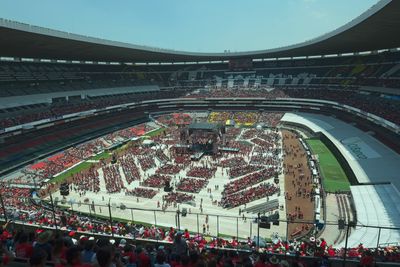
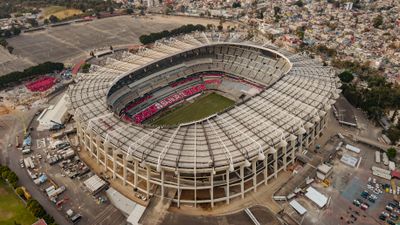
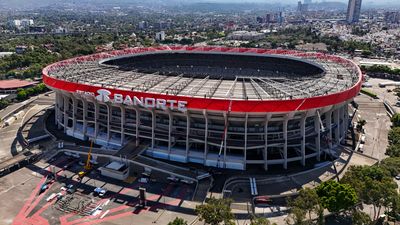
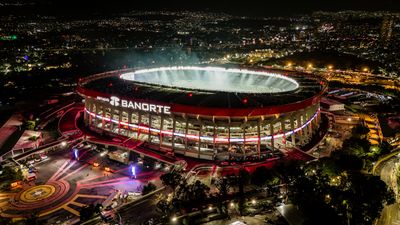
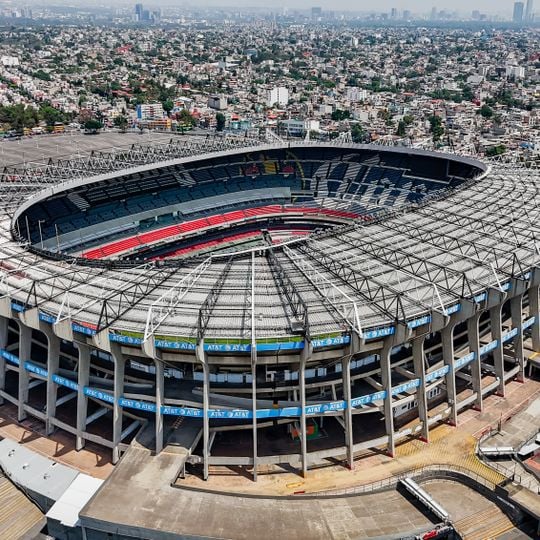
Estadio Banorte is a football stadium in Coyoacán, southern Mexico City, with seating for more than 80,000 spectators at an elevation of around 2,200 meters. The structure features two tiers of covered stands, large video screens at both ends, and an oval pitch surrounded by continuous seating that offers clear sightlines to the grass.
Designed by Pedro Ramírez Vázquez and Rafael Mijares Alcérreca, the stadium broke ground in 1961 and opened on 29 May 1966 with a 2–2 draw between Club América and Torino; Arlindo dos Santos scored the first goal. It hosted two World Cup finals: Brazil beat Italy 4–1 in 1970 and Argentina beat West Germany 3–2 in 1986.
The stadium is home to Club América and the Mexico national team, and its nickname, the "Temple of Football," comes from the two World Cup finals and the 1970 "Game of the Century" played here. In 2008, an online poll by FIFA's official website voted it the most emblematic stadium in world football, ahead of the Maracaná and Wembley. It also hosts NFL games, concerts and religious gatherings.
The stadium sits along Calzada de Tlalpan and can be reached via the Azteca stop on the Xochimilco Light Rail, which connects to the city metro system. For major events, arrive early and expect crowds, along with longer waiting times at the entrance gates.
During the 2026 World Cup, this venue will become the only stadium in the world to host matches in three separate tournaments, having already done so in 1970 and 1986. The pitch sits at an elevation where thinner air makes the ball travel faster, creating challenges for players and goalkeepers alike.
The community of curious travelers
AroundUs brings together thousands of curated places, local tips, and hidden gems, enriched daily by 92,656 contributors worldwide.