Fayette County Reservoir, power station cooling reservoir on Cedar Creek in Fayette County, Texas, United States
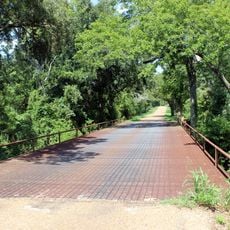
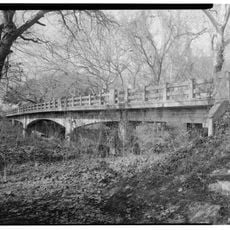
Fayette County Reservoir is a large lake in Texas covering about 2400 acres, built in 1978 primarily to cool nearby power plants while serving recreational purposes. The water contains diverse underwater structures including fallen trees, channels, and old roadbeds that provide habitat for various fish species.
The reservoir was constructed in 1978 to provide cooling water for power plants in the region, becoming an essential part of local infrastructure. Over the decades, it has evolved into a recreational destination that reflects the changing relationship between industry and community leisure.
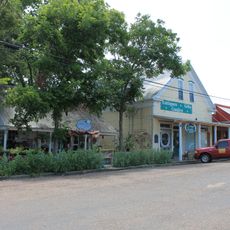
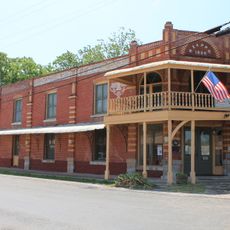
Lake Fayette occupies the site of Biegel, a small town known for its pickles; outlines of houses can still appear on fish finders. Annual fishing tournaments, notably for largemouth bass, are held here, and a 3-mile trail links Oak Thicket Park and Park Prairie Park.
Two parks on the north shore, Park Prairie and Oak Thicket Park, provide boat ramps, fishing piers, and basic facilities open year-round, with Oak Thicket Park accessible via Texas Highway 159 east of La Grange. Arriving early helps secure good fishing spots and boat launch availability, and bringing supplies like water and appropriate fishing gear ensures a comfortable visit.
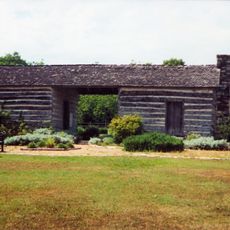
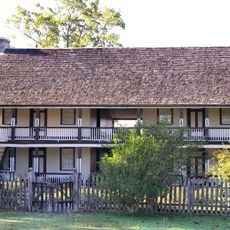
Lake Fayette flooded the site of Biegel, a small town known for its pickles; outlines of house foundations can still appear on fish finders. Before the dam was built, the Biegel-December House, the Legler Log House and the Gentner-Kroll-Polasek Farmstead were moved off the construction area, and the Texas Archaeological Survey investigated 25 sites there.
The community of curious travelers
AroundUs brings together thousands of curated places, local tips, and hidden gems, enriched daily by 93,029 contributors worldwide.